Analyzing Jobsite Constraints and Weight Class Basics
Choosing the right machine size is the most critical decision a contractor makes before investing in new compact excavator units. Equipment weight categories dictate transport logistics, ground pressure limits, breakout forces, and overall jobsite versatility. Selecting a machine that is too small leaves heavy work unfinished and strains the hydraulic pump, while an oversized rig damages finished turf, struggles in tight alleyways, and spikes equipment hauling costs. Industry professionals evaluate jobsite access gates, soil conditions, and trailer towing capacities before settling on a specific tonnage class. Understanding how weight impacts machine stability allows operators to match equipment capabilities to real-world operational demands, ensuring maximum daily productivity and long-term fleet profitability.
Micro Excavators for Indoor Demolition and Tight Yards
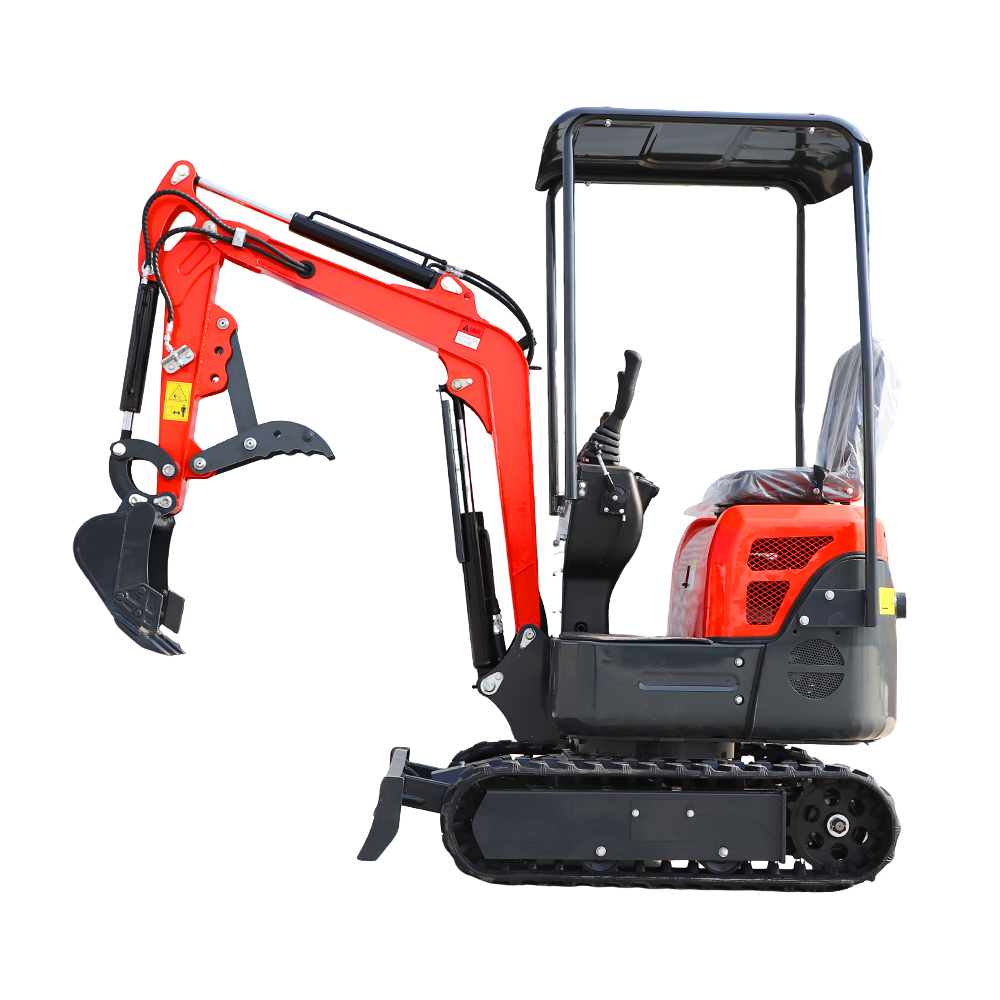
Micro machines weighing under two tons engineered for indoor renovation, backyard landscaping, and restricted utility repairs excel where larger units simply cannot fit. These ultra-compact platforms often feature retractable tracks that squeeze through standard pedestrian doorways and narrow side gates. Despite their small footprint, a quality compact excavator in the one-to-two-ton bracket delivers surprising hydraulic breakout force for breaking concrete floors and digging shallow trench lines. Contractors utilizing micro models eliminate heavy manual wheelbarrow labor, drastically speeding up indoor demolition and tight residential property transformations while protecting delicate surrounding structures from accidental impact.
The Versatile Three to Four Ton Sweet Spot
For general contractors, residential landscapers, and municipal repair crews, the three-to-four-ton tonnage category represents the absolute sweet spot of machine utility. These mid-range units strike a perfect balance between lifting power, digging depth, and transport convenience on standard dual-axle trailers. A robust compact excavator in this class handles deeper utility trenching, pool excavations, and heavy topsoil spreading without requiring commercial CDL towing permits. Operators benefit from spacious enclosed cabs, responsive pilot joystick controls, and strong auxiliary hydraulic flows that effortlessly drive heavy attachments like augers and hydraulic breakers.
Heavy Compact Units for Demanding Utility and Earthmoving
When projects require deeper digging, higher dump clearances, and continuous heavy-duty digging in rocky soils, stepping up to the six-to-eight-ton category becomes essential. These larger earthmovers provide the mass and hydraulic horsepower needed to push through compacted clay and load high-sided dump trucks with ease. Investing in a high-performance compact excavator within this upper weight class ensures high daily yardage outputs on large-scale civil engineering sites and municipal utility upgrades. Although they require heavier transport trailers, their superior lifting capacity and stable working platform reduce cycle times and maximize overall project execution speed.
Balancing Transport Logistics and Towing Requirements
Equipment mobility directly influences daily operational costs, making transport logistics a major factor when comparing weight classes. Transporting micro and mid-range units requires minimal investment, as standard pickup trucks and light utility trailers easily handle the total tow weight. However, stepping up to larger mini excavator categories demands heavy-duty tow vehicles, dedicated flatbed trailers, and adherence to regional over-width and over-weight road regulations. Fleet managers must calculate towing fuel consumption, licensing requirements, and transit setup times to ensure that heavier machine productivity gains outweigh increased logistical overheads.
Matching Hydraulic Flow Rates to Specialized Attachments
Machine weight classes directly correlate with auxiliary hydraulic flow capacity, which determines the range of powered attachments a contractor can operate. Smaller weight brackets run light-duty buckets and small breakers, whereas heavier heavy-duty earthmoving equipment classes deliver the high-pressure oil flow required for heavy mulchers, vibratory compactors, and large augers. Operators must verify secondary circuit pressures and flow rates before investing in multi-tool attachments to prevent hydraulic oil overheating and pump starvation. Selecting the right weight class ensures that auxiliary attachments perform at peak efficiency across every demanding worksite application.
Driving Fleet Success with Infront Engineering Excellence
Navigating the complexities of machine weight classes requires partnering with an experienced manufacturer that delivers robust structural design and dependable global support. Infront manufactures premium compact machinery engineered specifically to meet the diverse operational demands of international contractors and equipment rental fleets. Built with high-tensile steel frames, reinforced wear components, and responsive pilot hydraulic systems, every machine engineered by Infront ensures exceptional durability and precise operator control. Backed by solid international logistics networks, overseas warehousing support, and fast spare parts delivery, Infront empowers global businesses to optimize equipment selection, lower operational costs, and complete ambitious projects with absolute confidence.