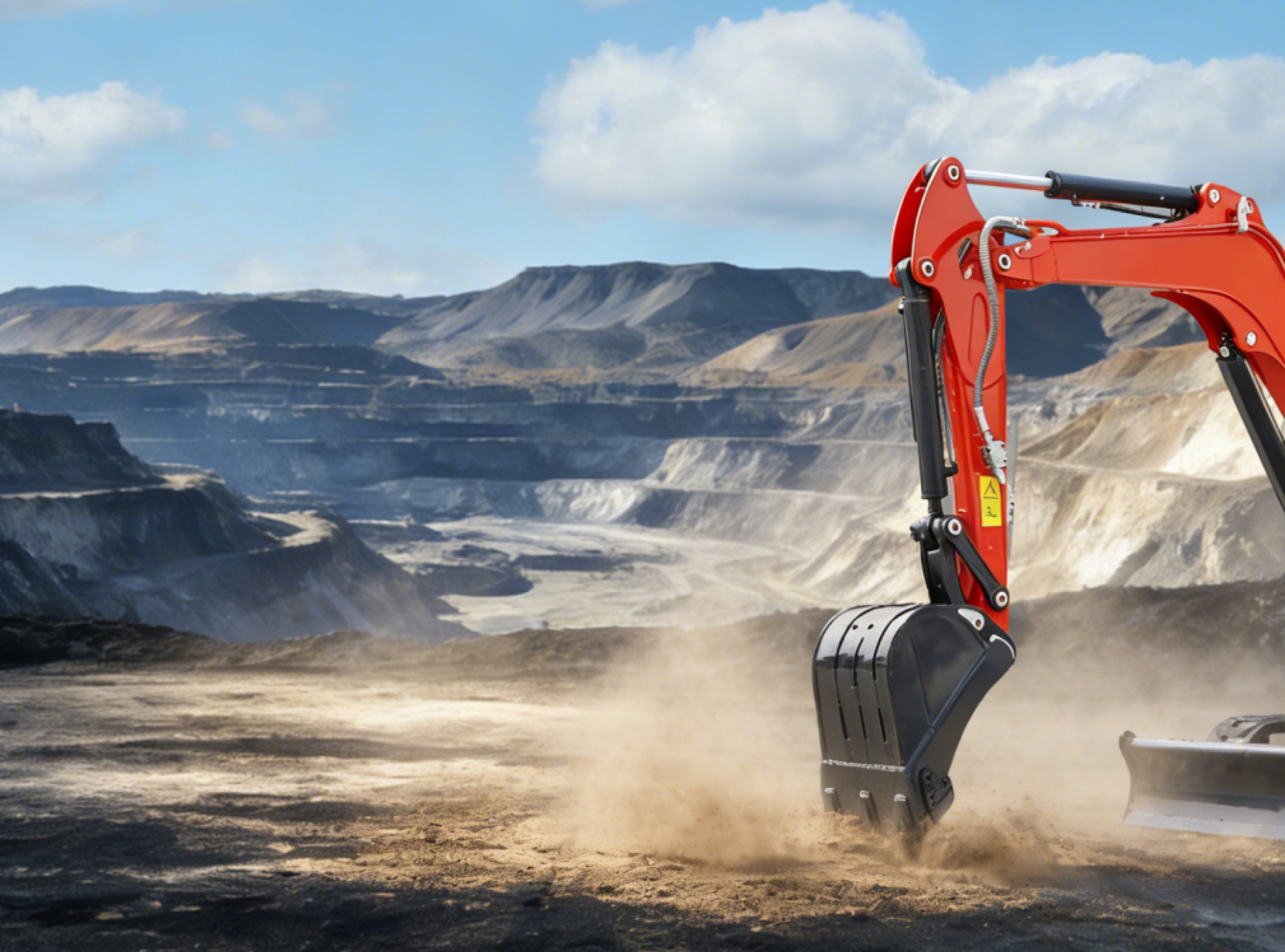
Compact equipment is the fastest-growing segment of the excavation market. Urban renewal, small renovation sites, landscaping, and utility work all favor machines that can fit through a standard gate and work in tight spaces.
Many "manufacturers" online are actually trading companies reselling machines from multiple plants. A factory-direct supplier can control quality, pricing, and lead times; a trading company usually cannot.
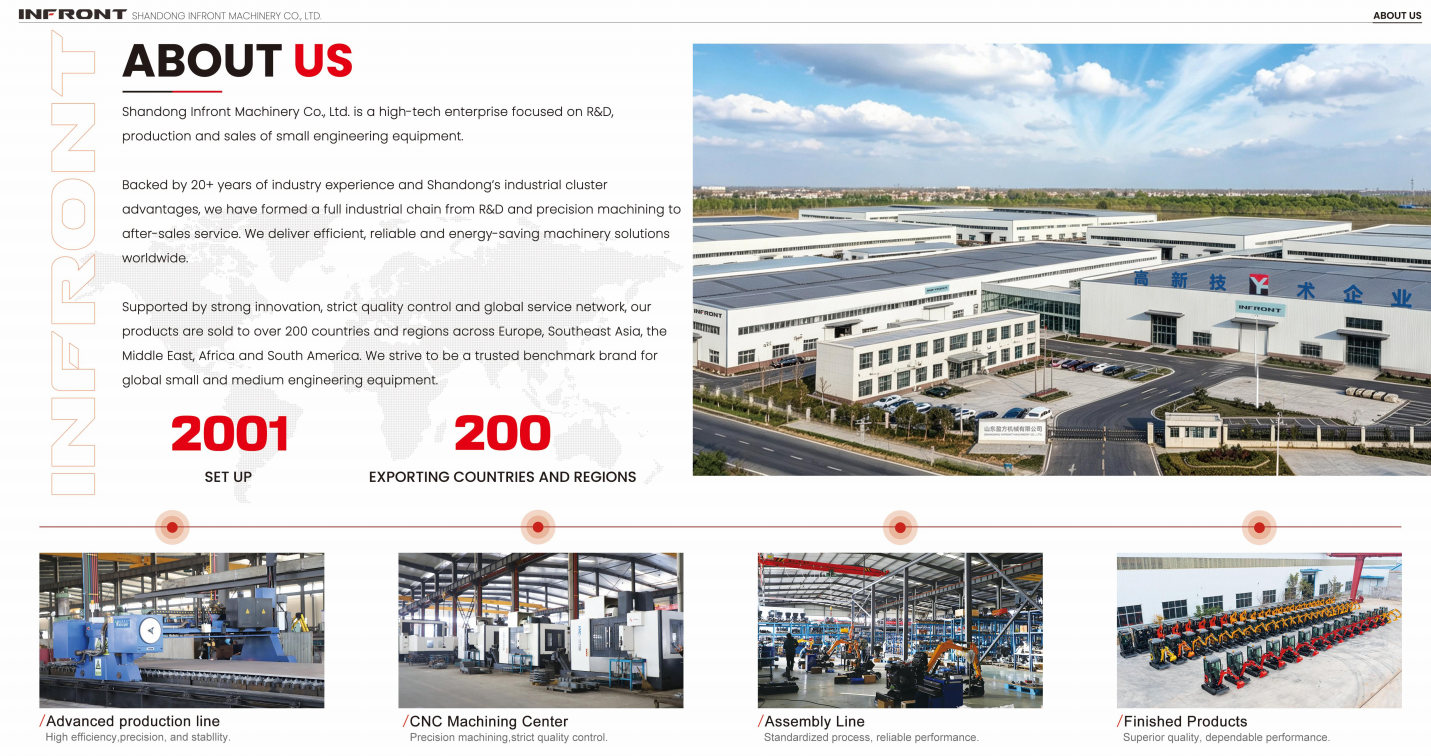
How to verify: ask for factory photos and video calls, request business registration matching the product brand, and check whether the factory's product range is consistent (a genuine mini excavator factory typically produces related compact equipment — e.g., mini excavators alongside skid steer loaders — rather than 50 unrelated products).
Example: INFRONT is a manufacturer focused on compact equipment — mini excavators, skid steer loaders, and lawn mowers — which is the typical profile of a real source factory rather than a general trader.
Ask what quality checks happen before shipping: hydraulic system pressure tests, engine run-in hours, paint and corrosion treatment, and export packaging standards. A serious manufacturer can walk you through its QC process step by step. If the answer is vague, that is a red flag.
Factory-direct pricing only makes sense when volumes match. Ask for the MOQ (minimum order quantity), whether mixed containers (e.g., mini excavator + skid steer loader + spare parts) are allowed, and what the payment terms are (T/T, L/C, or others). Get a written quotation that includes packaging and loading costs — "factory price" that excludes logistics can mislead you.
Ask how long a standard order takes and how many units the factory produces per month. Real manufacturers quote realistic lead times of several weeks because machines are built, tested, and packed to order.
The cheapest machine is expensive if you cannot get parts. Evaluate:
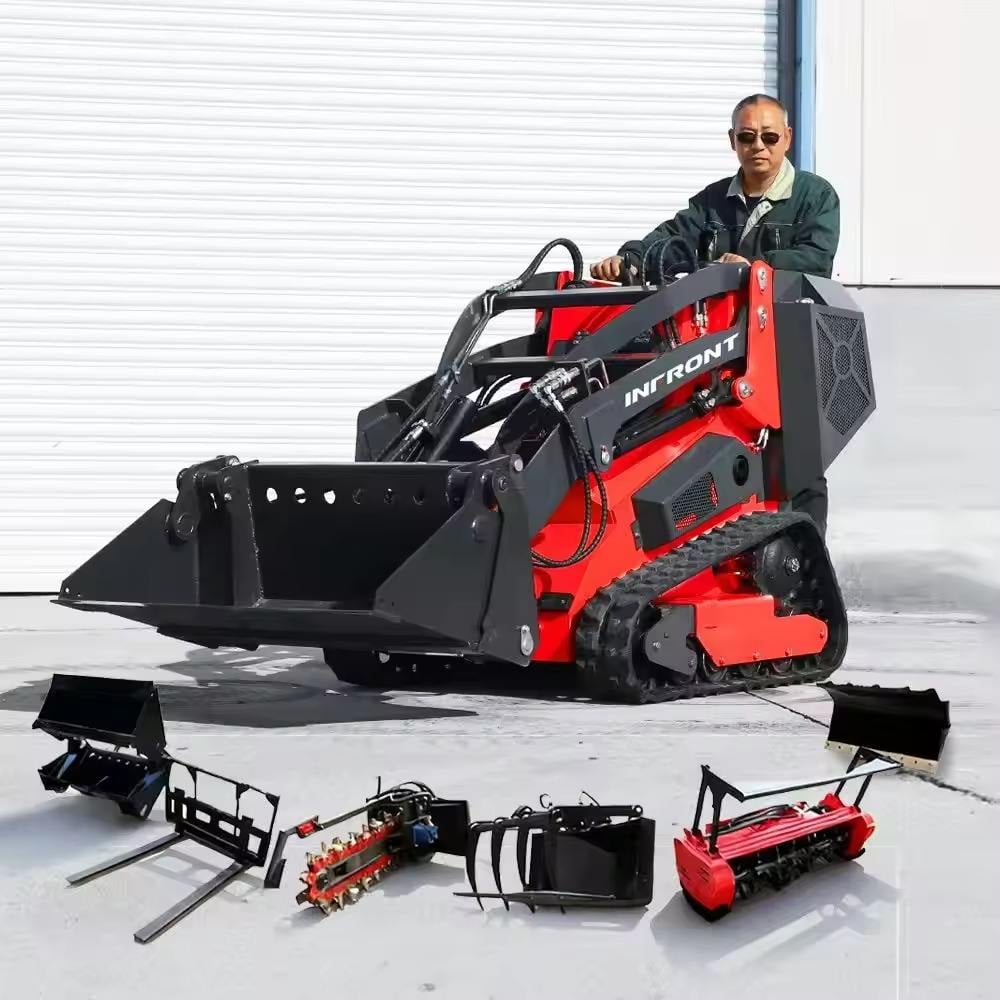
If you source from a factory that makes both (as INFRONT does), you can combine machines in one container — but they serve different jobs:
| Task | Mini Excavator | Skid Steer Loader |
|---|---|---|
| Digging trenches & foundations | ✅ Best choice | ❌ Poor |
| Loading and material handling | ❌ Poor | ✅ Best choice |
| Confined urban sites | ✅ Excellent | ✅ Good |
| Attachment versatility | Moderate (coupler options) | Very high (bucket, auger, grapple, broom) |
| Operator skill needed | Moderate | Low–moderate |
Many contractors start with one excavator and add a skid steer loader later. Ordering both from the same manufacturer simplifies parts, training, and warranty management — a practical reason to prefer a factory with a broader compact line.
How much does a mini excavator cost? Prices vary widely by size, brand, and origin. Small 1–2 t machines are the most affordable entry point; larger 5–8 t machines cost several times more. Factory-direct suppliers generally undercut branded dealer pricing by 20–40% — but always compare specification-for-specification.
What is the difference between a manufacturer and a trading company? A manufacturer owns the production line and controls quality, pricing, and customization. A trading company resells other factories' machines. Buying direct from a manufacturer is usually safer for repeat orders, parts supply, and OEM branding.
Which size mini excavator do I need? Match the machine to your transport and job site: 1–2 t for landscaping and indoor work, 2.5–3.5 t for general contracting, and 5–10 t for heavier demolition and utility work. Also check the width against standard trailer and gate dimensions.
Can I customize a mini excavator with my own brand? Yes — this is the main advantage of factory-direct sourcing. Most compact-equipment factories offer OEM/ODM services: your color scheme, your logo, and in some cases your own model numbers and specifications.
How long does a factory order take? Typically 2–8 weeks depending on quantity and customization, plus shipping time. Ask for the current production slot during negotiation and put the delivery date in writing.
What after-sales support should a manufacturer provide? At minimum: warranty terms, spare parts availability, technical manuals, and remote troubleshooting. The best manufacturers also provide operator training videos and fast parts dispatch — test their response time before you order, not after.
The best mini excavator manufacturer for your business is the one that passes a direct audit: a real factory, documented QC, specifications that match your market, fair MOQ and payment terms, honest lead times, and reliable after-sales. Global OEMs remain the safe choice for premium markets; factory-direct compact-equipment manufacturers such as INFRONT — with mini excavators, skid steer loaders, and lawn mowers under one roof — give distributors and private-label brands the price and customization advantage they need to compete.
Next step: shortlist 3–5 candidates, run the 6-point evaluation above, and order one trial unit before scaling up.
2026.10.12
Read More →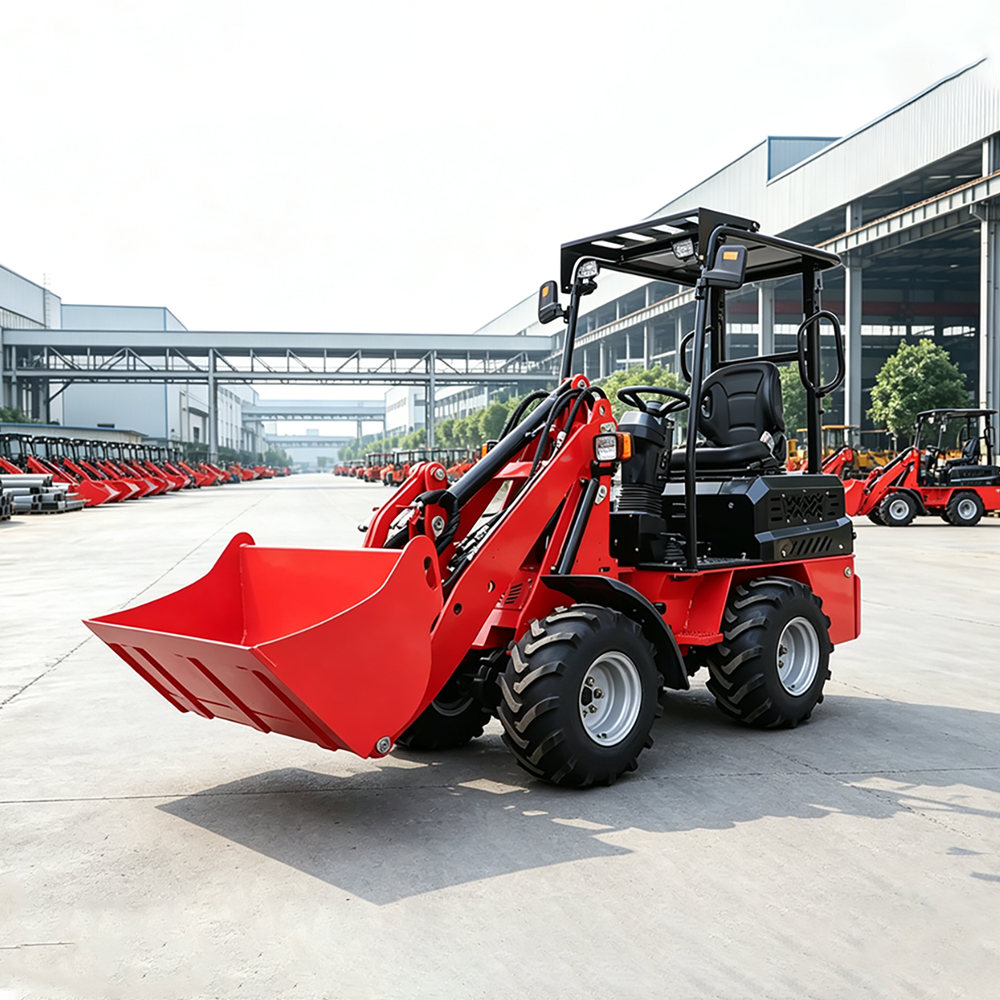
2026.09.01
Read More →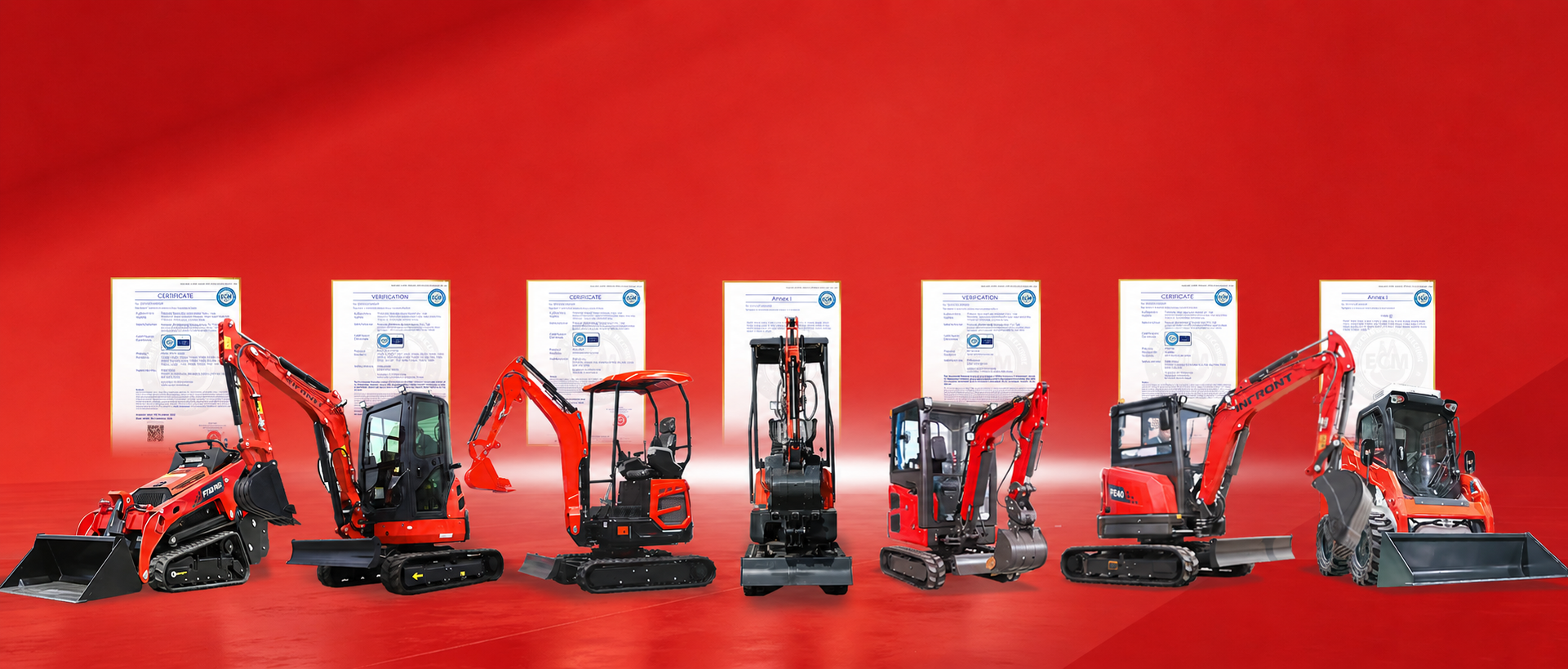
2026.08.25
Read More →