
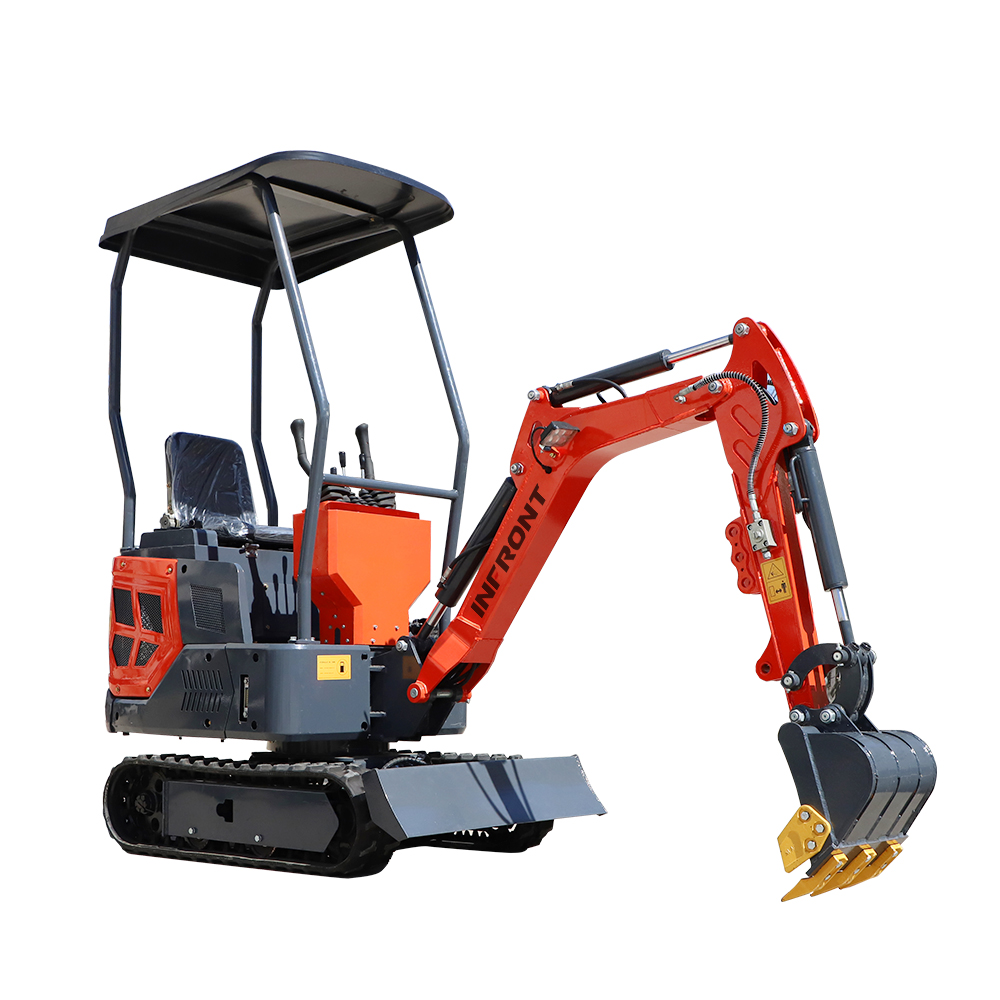
Bucket sizes compatible with a standard commercial mini digger
Maximizing jobsite productivity in modern commercial construction and localized landscaping projects relies heavily on the versatility of your heavy machinery attachments. Fleet operators often focus primarily on engine horsepower or hydraulic lifting capacities when evaluating equipment, yet the humble digging bucket is what directly interfaces with the earth. A mismatch between the digging attachment and the hydraulic arm can drastically reduce cycle times, strain hydraulic pumps, and accelerate structural wear on the main boom. Understanding the exact configuration of bucket sizes compatible with a standard commercial mini digger is essential for any contractor looking to optimize operational efficiency and safeguard their equipment investment. When the correct bucket geometry is perfectly paired with the corresponding tonnage class of the machine, earthmoving tasks become significantly faster, fuel consumption drops, and project deadlines are met with absolute precision.
Deciphering machine weight classes and relative bucket weight capacities
The foundational step in selecting the correct earthmoving attachment is correlating the width and volumetric capacity of the bucket with the operating weight of the machine. A standard commercial mini digger typically operates within the 1-ton to 6-ton range, with each specific sub-category possessing distinct hydraulic limits and tipping load thresholds. For a compact 1.0-ton to 1.8-ton machine, using a massive 24-inch heavy-duty trenching bucket filled with wet clay will easily destabilize the chassis, creating a severe tipping hazard during side-loading maneuvers. Conversely, attaching a narrow 6-inch clay spade to a robust 3.5-ton unit represents an inefficient under-utilization of the available hydraulic breakout force. Industry compliance standards dictate that smaller units remain highly efficient when utilizing narrow trenching tools ranging from 8 to 12 inches, while medium-sized commercial units handle general-purpose utilities beautifully with 16 to 24-inch variations, ensuring the machine remains perfectly balanced throughout its entire 360-degree rotation radius.
Evaluating specific task applications from trenching to grading operations
Industrial attachments are engineered for precise structural tasks, meaning that width alone does not dictate compatibility; the operational environment plays an equal role. For telecommunications utilities and electrical conduit installations, contractors require a highly specialized trenching bucket, typically measuring between 9 and 12 inches in width, which allows a standard commercial mini digger to carve narrow, clean channels without removing excess material that requires backfilling later. For general excavation, footings, and structural foundation work, a standard general-purpose digging bucket measuring 18 to 24 inches is the industry baseline, featuring heavy-duty replaceable teeth designed to fracture compacted soils and rocky substrates. When the job site transitions to finishing work, infrastructure grading, or ditch cleaning, the toothless grading bucket—stretching from 36 to 48 inches—becomes the optimal tool, offering a smooth cutting edge that leaves a clean surface finish on topsoil or gravel pathways.
Mastering quick hitch standards and interface pin dimensions for seamless swapping
Even if a bucket features the perfect physical volume for a specific job site, it cannot perform without an absolute structural match at the coupler interface. Modern commercial fleet operators rely on advanced mechanical or hydraulic quick hitch couplers to swap attachments within minutes, rather than manually hammering out pivot pins. Pin diameter, pin centers, and dipper gap width are the three critical geometric metrics that determine whether an auxiliary attachment will safely latch onto a standard commercial mini digger arm. Standard 1-ton and 2-ton models usually feature 25mm to 30mm pin diameters, whereas larger 3.5-ton commercial units utilize heavy-duty 40mm setups. Forcing an incompatible bracket onto a quick hitch creates dangerous structural slop, which accelerates the ovalization of pin holes, leaks hydraulic pressure, and presents a severe safety risk to ground crew personnel working near the active excavation zone.
Balancing material densities with structural volumetric limits to prevent premature fatigue
A common misconception among newer operators is that if a wide bucket physically fits onto the quick hitch, it is automatically safe to operate at maximum capacity. Real-world material density varies drastically; a cubic foot of dry topsoil weighs approximately 80 pounds, whereas the same volume of wet gravel or fragmented concrete can exceed 120 pounds. When utilizing larger bucket sizes compatible with a standard commercial mini digger, operators must cross-reference the bucket’s rated SAE heaped capacity with the density of the target substrate. Consistently over-loading a wide general-purpose attachment past the manufacturer's recommended payload boundaries introduces massive torsional stress to the main boom pin bushings. Over time, this operational oversight results in premature structural fatigue, micro-cracking along critical welds, and costly hydraulic cylinder seal blowouts, completely erasing the productivity gains achieved by using a larger tool.
Maximizing equipment return on investment through optimized industrial fleet configurations
Achieving the perfect balance of attachment flexibility, high breakout force, and prolonged asset service life is exactly why global procurement managers choose the precision-engineered machinery systems developed by Infront. As a globally recognized manufacturer specializing in highly durable, flexible-use compact earthmovers, Infront designs its entire fleet infrastructure around universal attachment compatibility. Every standard commercial mini digger manufactured by Infront features standardized, reinforced coupler interfaces that accept a comprehensive array of bucket configurations, from ultra-narrow trenchers to high-volume toothless grading units. By utilizing high-tensile, wear-resistant steel alloys in both the main boom structure and the attachment brackets, Infront guarantees that swapping tools remains fluid, secure, and operationally reliable under the most demanding commercial conditions. Partnering with a heavy machinery manufacturer that prioritizes precise engineering alignment ensures your commercial fleet operates at peak efficiency, lowering your total cost of ownership while delivering exceptional performance across every diverse job site requirement.
Table of Contents
- Bucket sizes compatible with a standard commercial mini digger
- Deciphering machine weight classes and relative bucket weight capacities
- Evaluating specific task applications from trenching to grading operations
- Mastering quick hitch standards and interface pin dimensions for seamless swapping
- Balancing material densities with structural volumetric limits to prevent premature fatigue
- Maximizing equipment return on investment through optimized industrial fleet configurations