
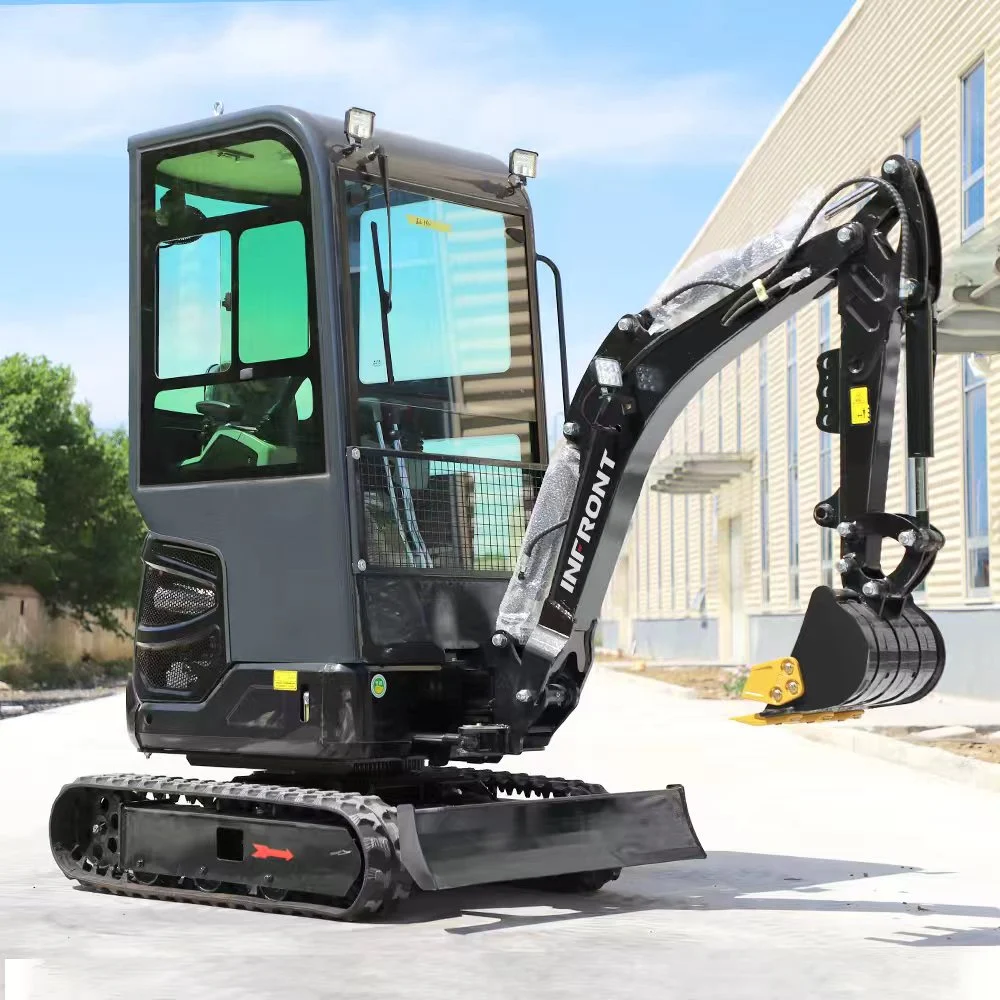
Purchasing compact earthmoving machinery is rarely as simple as chasing the lowest price tag on a showroom floor. For fleet managers, civil contractors, and rental yard operators, a surprisingly cheap sticker price often conceals massive long-term operating hazards. When a machine spends three days a month sitting idle in a repair bay awaiting hard-to-find seals, those early purchase savings evaporate overnight. Evaluating heavy machinery requires stepping back from immediate price tags and examining the total cost of ownership over a multi-year service cycle. Balancing upfront capital expenditure against long-term mechanical value ensures that equipment investments generate real profit rather than draining company cash flow. Evaluating structural engineering, hydraulic efficiency, and localized supply chain backing allows fleet buyers to secure a commercial mini excavator that delivers high performance and strong lifetime returns.
Evaluating the true financial footprint of initial purchase pricing
A low invoice price often creates a false sense of financial efficiency during annual equipment budgeting. While saving upfront capital feels beneficial during initial fleet expansion, lower purchase prices frequently indicate lighter structural steel, lower-grade hydraulic pumps, or unverified engine configurations. These compromises begin compounding financial liabilities the moment a machine enters active service. Increased fuel consumption rates, premature pin wear, and early hose fatigue quickly push monthly operating costs beyond projected margins. Professional fleet procurement strategies look beyond initial invoices to analyze depreciation trajectories, projected warranty claims, and historical resale demand. Investing in a properly engineered commercial mini excavator ensures that initial capital savings are not consumed by unexpected repair bills, maintaining steady operating margins across demanding jobsite contracts.
Analyzing fuel management and hydraulic power transfer efficiency
Engine efficiency and hydraulic responsiveness represent two of the largest recurring expense lines across a ten-year machinery lifecycle. A machine fitted with an outdated fixed-displacement gear pump forces the engine to run at high revolutions continuously, burning unnecessary diesel even while idling between bucket loads. Over three thousand operational hours, an inefficient powertrain can burn thousands of dollars in extra fuel compared to a modern load-sensing variable displacement system. Modern load-sensing hydraulics instantly adjust oil flow based on joystick pressure, directing horsepower only when active digging resistance is encountered. Choosing a high-efficiency mini excavator allows operators to cycle through heavy trenching passes faster while consuming significantly less fuel per yard of material moved, lowering total operating expenses and improving project profitability.
Mitigating costly jobsite downtime with heavy-duty structural design
Unexpected jobsite breakdowns destroy project timelines, waste crew labor hours, and risk severe contract delay penalties. When critical components like boom pivot pins, swing house castings, or track tensioners fail under load, the cost of lost productivity rapidly exceeds any upfront savings achieved during equipment purchase. Reinforced structural geometry, robotically welded chassis frames, and high-tensile steel booms protect machinery from metal fatigue caused by repeated impact loading. Deploying a durable mini excavator built with stress-tested wear plates and premium hydraulic valves protects operators from unexpected downtime, keeping utility trenching, site clearance, and foundations moving forward on schedule.
Streamlining aftermarket servicing through responsive spare parts supply chains
Even the most ruggedly built construction machinery requires routine filter changes, track tension adjustments, and eventual hydraulic seal replacements. A machine bought at a low purchase price becomes a costly liability if simple replacement control valves take six weeks to arrive via ocean freight. Long-term machinery value depends heavily on supplier aftermarket support networks and regional inventory availability. Access to regional stocking warehouses allows essential service components to ship immediately, returning a serviced mini excavator to work within twenty-four hours instead of leaving it sitting useless under a tarp for weeks.
Protecting long-term asset valuation and machinery resale returns
Capital machinery retains value only when underlying mechanical systems resist premature wear and structural distortion. When fleet operators prepare to trade in equipment after three or four seasons, well-maintained machines built with heavy-duty chassis designs command significantly higher trade-in values. Higher residual value directly reduces total lifetime ownership costs, allowing fleet owners to roll equity into next-generation equipment upgrades effortlessly. Selecting a reliable mini excavator engineered for high residual retention ensures that businesses recover a large portion of their original capital investment when updating fleet assets.
Elevating fleet efficiency with Infront manufacturing excellence
Maximizing equipment investment value requires partnering with a manufacturer that combines heavy-duty engineering precision with responsive international logistics. Infront bridges industrial manufacturing standards with localized global support, delivering heavy-duty compact machinery built for demanding commercial workloads. Built with stress-tested high-tensile steel frames, fuel-efficient low-emission engines, and intuitive pilot control setups, every commercial mini excavator manufactured by Infront provides smooth operating control while reducing fatigue. Supported by regional overseas warehouse distribution networks, rapid genuine parts fulfillment, and comprehensive technical guidance, Infront helps fleet managers and civil contractors lower total lifecycle costs, maintain high machine uptime, and secure strong long-term returns on equipment investment.
Table of Contents
- Evaluating the true financial footprint of initial purchase pricing
- Analyzing fuel management and hydraulic power transfer efficiency
- Mitigating costly jobsite downtime with heavy-duty structural design
- Streamlining aftermarket servicing through responsive spare parts supply chains
- Protecting long-term asset valuation and machinery resale returns
- Elevating fleet efficiency with Infront manufacturing excellence