Overcoming logistical and operational hurdles in rural utility trenching
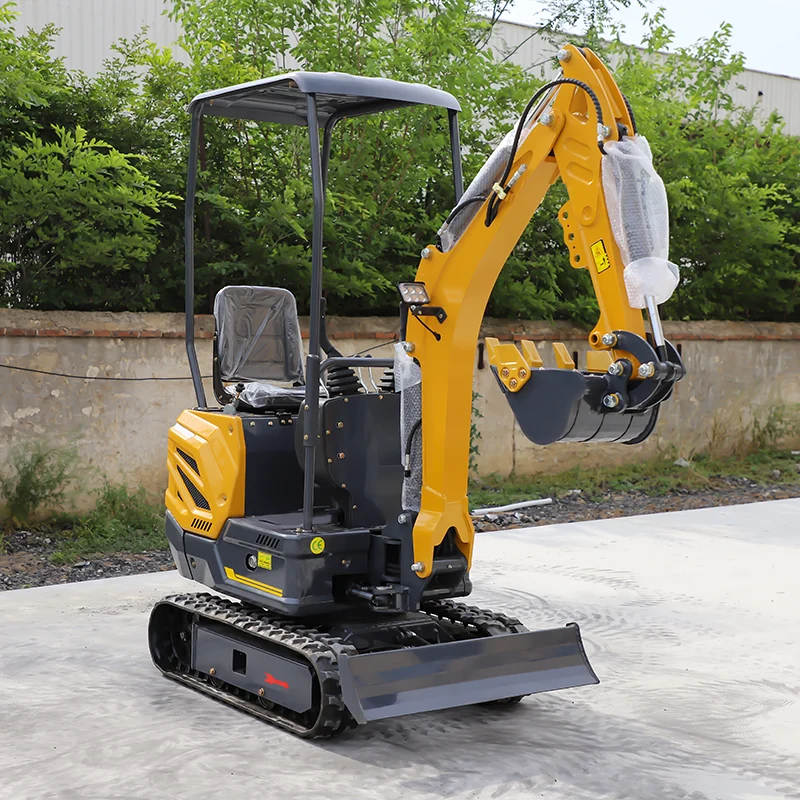
Rural infrastructure and utility installation contracts present a distinct set of complex operational hurdles that quickly punish inefficient fleet choices. When a specialized utility contracting firm secured a twenty-five-mile water main expansion project across uneven agricultural terrain, they immediately encountered narrow property easements, soft clay soils, and severe access restrictions that completely ruled out heavy twenty-ton earthmovers. Transporting oversized machinery along narrow country roads threatened to crush drainage culverts, tear up private access drives, and generate costly property restoration liabilities before active trenching even commenced. Furthermore, previous rental equipment with worn-out hydraulic controls had caused erratic boom swings, resulting in damaged pipe beds and expensive manual hand-digging delays. To keep the project profitable while adhering to strict municipal deadline penalties, the contracting team needed a compact, highly responsive unit capable of delivering continuous digging force without destroying surrounding ground surfaces. Transitioning their primary fleet strategy toward a high-performance small excavator unlocked immediate operational agility, allowing field operators to navigate tight farm gates, traverse marshy right-of-ways without sinking, and maintain steady daily trenching progress across demanding rural landscapes. By replacing cumbersome heavy earthmovers with agile compact machinery, the contracting crew established a streamlined daily workflow that significantly reduced jobsite congestion, optimized fuel consumption, and eliminated unnecessary ground clearance requirements.
Navigating tight easements and sensitive ground without structural turf damage
Working along narrow rural property lines, active agricultural fields, and residential boundaries requires heavy machinery that seamlessly balances low ground pressure with high structural stability. Traditional full-sized excavators leave deep ruts, compact the subsoil severely, and destroy underground field drainage networks, forcing contractors to spend thousands of dollars on post-construction soil aeration, topsoil re-leveling, and extensive lawn restoration. By deploying an ultra-low ground pressure small excavator equipped with heavy-duty reinforced rubber tracks and compact tail-swing geometry, field crews navigated narrow farm lanes and delicate residential properties with zero structural ground damage. The machinery moved smoothly alongside boundary fences, mature tree root zones, and existing overhead utility lines where larger earthmovers simply could not swing their counterweights safely. This exceptional maneuverability eliminated property damage claims entirely and dramatically reduced setup time between pipe sections, enabling utility crews to lay high-density polyethylene pipes efficiently without risking structural disturbances to adjacent farmland. Contractors saved substantial crew hours that would have otherwise been wasted on manual site repair and turf restoration, ensuring that local landowners remained entirely satisfied with project execution.
Maximizing fuel efficiency and lowering daily operating expenditures across remote sites
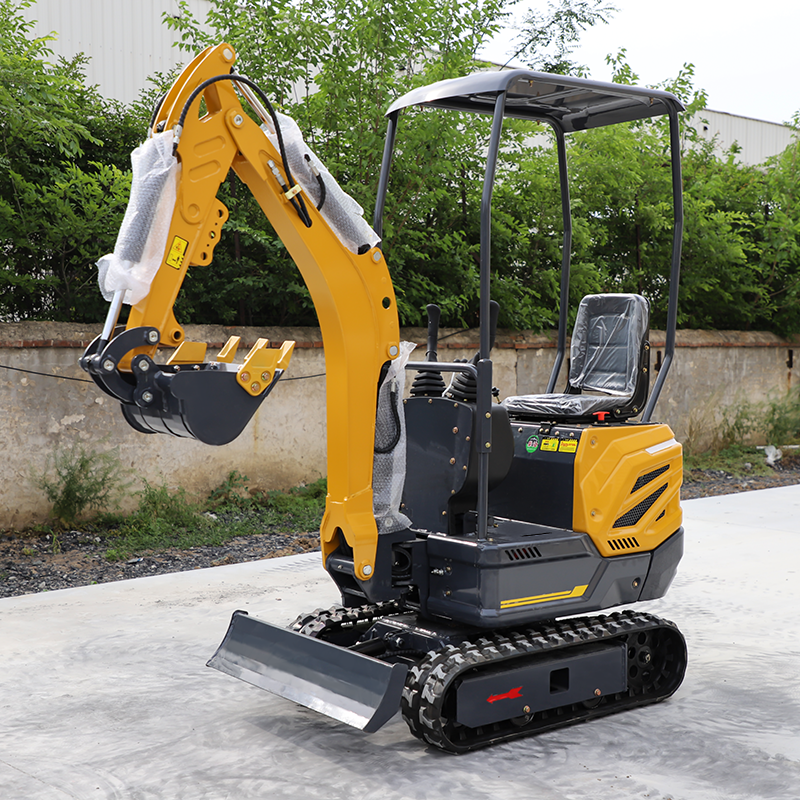
Remote rural job sites amplify every minor operational inefficiency, particularly when mobile fuel tender trucks must travel long distances across rough terrain to replenish fleet equipment. Running large diesel engines continuously for minor backfilling, gravel placement, or bed leveling burns unnecessary fuel, directly eroding daily project margins. Integrating an energy-efficient small excavator equipped with an advanced load-sensing variable-displacement hydraulic system reduced daily fuel burn rates by over thirty-two percent compared to older fleet machines. Modern load-sensing hydraulic pumps dynamically deliver engine horsepower only when active digging resistance occurs at the bucket teeth, preventing energy waste while idling between pipe placement passes. Over six months of continuous trenching across hard-packed earth, this reduced diesel consumption translated into thousands of dollars in direct fuel savings, proving that optimized hydraulic power transfer delivers real bottom-line commercial value. In addition, lower fuel consumption reduced field refueling stops, maximizing continuous operating hours during daylight shifts and reducing logistical coordination requirements for support trucks.
Minimizing unscheduled downtime through rugged mechanical engineering and rapid parts support
Equipment failure on a remote pipeline route can bring an entire installation crew to a complete standstill, accumulating costly labor overhead while waiting for field repair technicians to arrive. During a critical phase of the rural project involving hard, sun-baked clay and rocky shale strata, previous rental machines frequently suffered hydraulic line failures and boom pin slop under heavy digging stress. Switching to a ruggedly built small excavator engineered with high-tensile steel booms, stress-tested pivot castings, and protected hydraulic line routing provided the mechanical durability necessary for uninterrupted operation. Furthermore, having direct manufacturer backing and responsive spare parts fulfillment meant that routine filter swaps and wear-part replacements were handled seamlessly without prolonged project delays. Eliminating unscheduled breakdown days kept the utility project running nearly three weeks ahead of schedule, protecting project margins and completely preventing liquidated damages. Reliable mechanical performance boosted operator morale, ensured consistent pipeline lay rates throughout the contract, and reinforced the contractor's reputation for on-time delivery.
Streamlining multi-task jobsite utility work with versatile hydraulic attachments
Utility trenching involves far more than simply opening earth; crews must break hard surface rock, grade trench bottoms accurately, lower heavy pipe spools, and backfill soil tightly around utility lines. Relying on separate dedicated machines for each individual step increases equipment transport costs and clutters narrow working corridors. A versatile small excavator equipped with auxiliary hydraulic lines and a quick-coupler hitch allowed operators to switch between trenching buckets, hydraulic breakers, earth augers, and compaction wheels within minutes. The machine served as a flexible tool carrier, breaking localized rock strata, placing bed gravel smoothly, and lifting heavy pipe sections securely with responsive pilot controls. This multi-functional capability reduced the total machine count needed on site, dramatically cutting lowboy transport fees and simplifying fleet management across remote working zones. Operators performed diverse jobsite tasks without leaving the cab, enhancing overall productivity and ensuring that every stage of pipeline laying proceeded seamlessly.
Protecting long-term equipment equity and maximizing fleet trade-in value
For growing utility contractors, capital equipment purchases must deliver long-term equity beyond immediate contract revenues. Low-quality budget machines suffer rapid joint wear, chassis warping, and steep market depreciation, turning short-term savings into severe asset losses when upgrading fleets. Investing in a precision-manufactured small excavator built with heavy-duty structural chassis frames and wear-resistant steel ensures high residual value after years of rigorous field service. When the contractor completed the twenty-five-mile pipeline contract, the machinery remained in outstanding mechanical condition with tight hydraulic tolerances and minimal frame stress, securing high trade-in valuation for future fleet expansion projects. High residual asset value directly reduced the total cost of ownership over the entire machinery service cycle, allowing the company to reinvest equity into expanding their operational footprint.
Driving contractor success with Infront manufacturing precision and global support
Achieving consistent profitability on challenging utility contracts requires partnering with an equipment manufacturer that combines heavy-duty engineering precision with responsive international support. Shandong Infront Machinery Co., Ltd. manufactures high-performance compact earthmovers tailored for demanding international construction environments. Every commercial small excavator engineered by Infront features stress-tested structural components, fuel-efficient low-emission engines, and intuitive pilot control setups designed to maximize operator comfort and output. Supported by robust global supply chains, overseas inventory distribution networks, and rapid technical assistance, Infront enables contractors worldwide to lower total lifecycle costs, eliminate costly jobsite downtime, and execute complex infrastructure projects with total confidence. Partnering with Infront ensures long-term fleet reliability, competitive project bidding capabilities, and sustained business growth.