
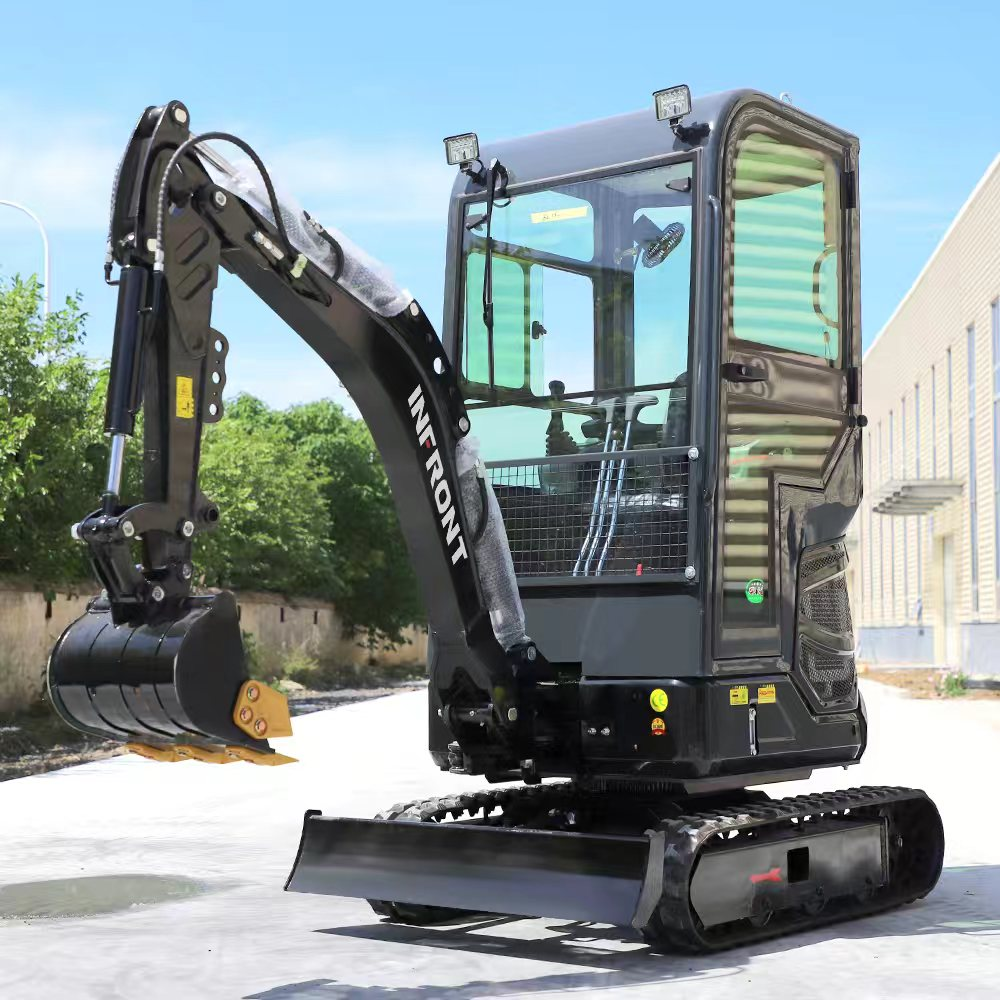
Evaluating Climate Exposure and Airborne Contaminant Shielding
Selecting between an open canopy and a sealed enclosed cab represents one of the most critical fleet configuration decisions when investing in a
Analyzing Structural Compliance Under OSHA and ISO Safety Certifications
Operational safety on modern construction sites requires strict adherence to international regulatory standards, making structural protective choices a core compliance obligation for fleet managers. Occupational Safety and Health Administration standards, alongside ISO 10262 performance criteria, establish mandatory structural integrity requirements for earthmoving equipment enclosures. Standard canopy setups typically satisfy baseline Roll-Over Protective Structure guidelines, safeguarding operators against basic tipping accidents. However, heavy-duty utility applications and forestry clearing often demand robust Falling Object Protective Structure certification to withstand heavy impact forces from falling rocks or timber. An
Comparing Unobstructed Field of View with Acoustic Isolation Trade-offs
Sightlines and situational awareness play a decisive role in preventing jobsite accidents, particularly within tight residential alleyways and congested urban corridors. Canopy setups deliver completely unobstructed three-hundred-and-sixty-degree line-of-sight visibility, eliminating visual blind spots caused by window mullions, roof pillars, and tinted glass. Furthermore, open canopy operators retain unimpeded peripheral hearing, allowing them to detect subtle audio signals, verbal warnings, and ground spotter hand gestures instantly. In contrast, modern
Assessing Height Clearance Limitations and Machine Transport Logistics
Physical equipment dimensions dictate whether a machine can access constrained job sites or pass safely beneath overhead obstacles. Canopy configurations generally offer lower overall machine heights and slightly reduced machine weight compared to enclosed cabin builds. Eliminating glass windows, heavy door frames, and roof-mounted HVAC evaporator units lowers the total center of gravity and reduces transport height by several inches. This reduced vertical profile enables a
Driving Operator Productivity, Comfort, and Shift Retention Rates
Equipment purchasing strategies must evaluate long-term labor efficiency and crew retention alongside mechanical specifications. Skilled machinery operators consistently cite cab comfort and climate regulation as decisive factors when evaluating job satisfaction. Operating a canopy machine during freezing winter shifts or sweltering summer afternoons accelerates physical exhaustion, forcing frequent unscheduled rest breaks and reducing hourly trenching output. Equipping a fleet with a climate-controlled
Empowering Fleet Security with Infront Manufacturing Precision and Global Support
Optimizing fleet performance requires partnering with an equipment manufacturer that delivers advanced structural engineering, versatile cab configurations, and dependable global support.
Table of Contents
- Evaluating Climate Exposure and Airborne Contaminant Shielding
- Analyzing Structural Compliance Under OSHA and ISO Safety Certifications
- Comparing Unobstructed Field of View with Acoustic Isolation Trade-offs
- Assessing Height Clearance Limitations and Machine Transport Logistics
- Driving Operator Productivity, Comfort, and Shift Retention Rates
- Empowering Fleet Security with Infront Manufacturing Precision and Global Support