
Real Jobsite Pressures on Compact Hydraulic Circuits
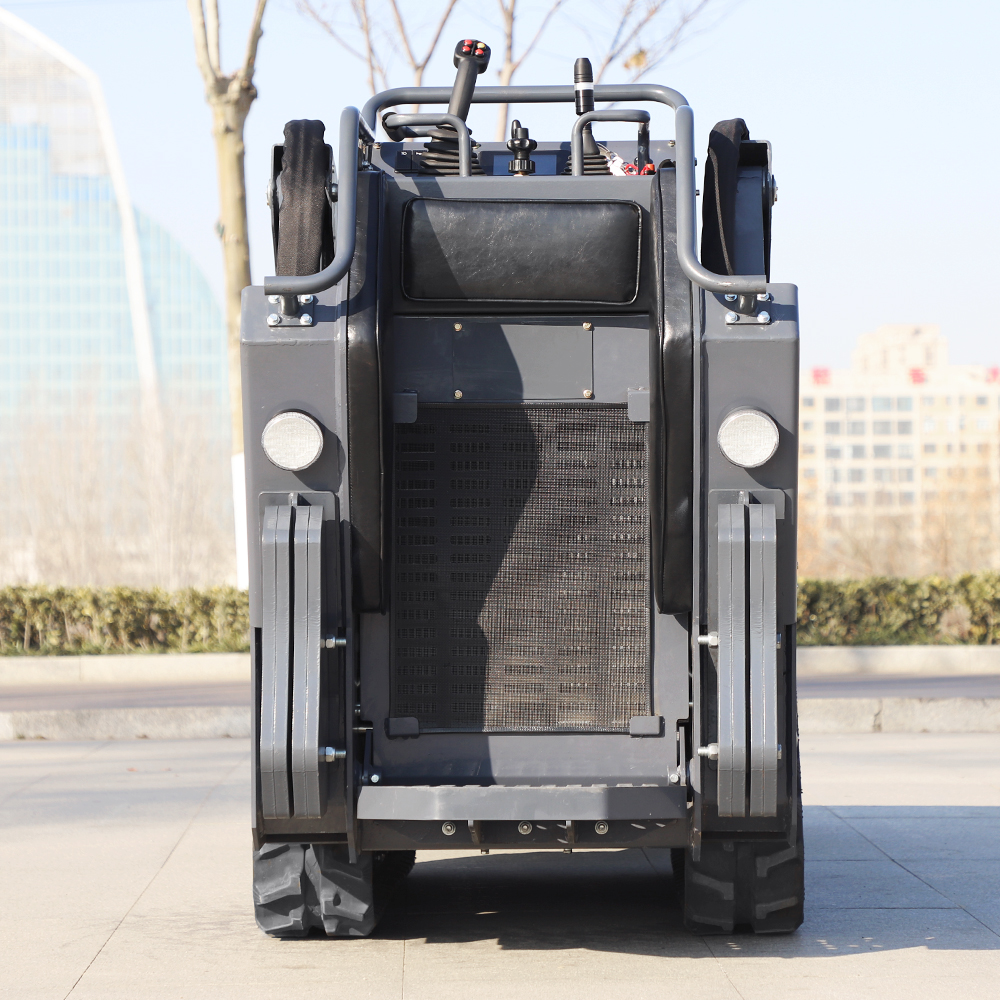
Anyone who has ever watched a crew squeeze a mini skid steer through a narrow thirty-six-inch backyard gate knows why these compact workhorses have taken over residential landscaping, urban utility trenching, and indoor demolition. Unlike full-sized earthmovers that rely heavily on mechanical drivetrains, a mini skid steer channels virtually every ounce of its engine output through pressurized hydraulic oil. That fluid drives the tracks or wheels, raises the loader arms, tilts the bucket, and spins hungry auxiliary attachments. On a typical Tuesday morning, an agile 480kg operating weight YF480 skid steer loader carrying a 0.14m³ bucket full of wet crushed stone might cycle its lift cylinders hundreds of times before lunch, while a heavier 1730kg operating weight YF1000PRO breaking concrete indoors pushes hydraulic pressures to their upper design limits. When the hydraulic circuit stays clean, cool, and tight, a mini skid steer feels unstoppable. Let grit sneak past a worn wiper seal or run the reservoir low on a steep slope, however, and an expensive gear pump can score its brass wear plates in minutes, bringing the entire jobsite to a grinding halt.
Morning Sight Glass Checks and Fluid Condition Clues
Seasoned fleet managers know that catching a hydraulic issue before turning the ignition key costs pennies compared to calling a field mechanic mid-afternoon. Before sending a 480kg operating weight YF1200 skid steer loader with its 0.14m³ bucket capacity out to muck horse stalls or grade topsoil, park the mini skid steer on dead-level ground and drop the lift arms all the way down. With the cylinders fully retracted, glance at the hydraulic tank sight glass or pull the dipstick. Topping off oil when the boom is raised is a classic rookie mistake that leads to messy breather-cap overflows once the rams come down. While checking the level on a mini skid steer, take five seconds to actually read the oil color and clarity. Fresh anti-wear hydraulic fluid looks like clear honey. If the sight glass shows a cloudy, milky coffee appearance, moisture has worked its way into the tank through overnight condensation or a cracked filler cap, which strips away lubrication and triggers pump cavitation. Dark brown fluid that smells burnt tells a different story: the mini skid steer has been running too hot, oxidizing the oil and leaving sticky varnish on precision control valve spools.
Stopping Microscopic Grit with Strict Filter Schedules
Out on muddy farm lanes, timber yards, and dusty concrete tear-outs, airborne silica dust is public enemy number one for any mini skid steer. Hydraulic tolerances inside modern directional valves and hydrostatic drive motors are measured in mere microns—far thinner than a human hair. According to fluid power standards such as ISO 4406 for hydraulic cleanliness, even invisible particles circulating through a high-pressure loop act like liquid sandpaper, slowly eroding cylinder barrel walls and O-rings. Keeping a mini skid steer running strong requires treating filter changes as sacred deadlines rather than optional suggestions. Every brand-new machine goes through an initial mechanical seating process, making that first fifty-hour break-in hydraulic filter swap mandatory to trap assembly burrs and fresh seal shavings. After that milestone, swapping the spin-on or return-line filter every two hundred and fifty to five hundred operating hours keeps restriction low. Before spinning an old cartridge off a compact skid steer loader, mechanics should always blast the filter head clean with brake cleaner and wipe it dry with a lint-free rag so caked-on mud never drops into the open port.
Relieving Trapped Line Pressure and Protecting Hoses
Ask any operator what frustrates them most on a busy jobsite, and fighting stubborn auxiliary hydraulic couplers on a mini skid steer will top the list. When an auger or trencher sits unhooked in the afternoon sun, thermal expansion builds trapped pressure inside the attachment hoses, making the flat-face couplers almost impossible to push together by hand. Forcing couplers or hammering on fittings only ruins internal poppet valves and blows out rubber O-rings. Instead, shutting down the mini skid steer engine, turning the key to the accessory position, and cycling the auxiliary hydraulic control lever back and forth bleeds off residual line pressure so the couplers click home effortlessly. Before clicking those lines together, wiping both male and female faces spotless prevents abrasive grit from being injected straight into the main valve bank. At the same time, walking around the mini skid steer to inspect high-flex hose routing along the hinge pins pays huge dividends. If a braided steel hose shows chafed outer rubber from rubbing against brush or rebar, wrapping it in spiral protective guard sleeve stops a blowout before it happens—and operators should always use a scrap piece of cardboard rather than bare fingers to check for suspected pinhole leaks under pressure.
Keeping Coolers Clear and Matching Oil Viscosity to Climate
Running continuous-flow attachments like brush cutters, stump grinders, or cold planers turns a mini skid steer hydraulic system into a massive heat generator. Every gallon of oil forced through a relief valve or attachment motor picks up heat, and once reservoir temperatures climb past eighty degrees Celsius, standard oil thins out dangerously. Thin oil slips past internal pump clearances, causing the mini skid steer to feel sluggish, lose breakout force, and creep backward on grades. Preventing thermal breakdown starts right at the cooling pack. On chaff-heavy mowing jobs or dusty demolition sites, grass clippings and drywall dust mat across the hydraulic oil cooler fins within hours, choking off airflow. Blowing out the cooler core from the inside out using compressed air at the end of every shift restores full heat rejection for heavy-duty units like the 1730kg YF1000PRO skid steer loader. Climate also dictates what goes into the tank: following ISO VG viscosity guidelines means running ISO VG 46 anti-wear hydraulic fluid during warm summer months, while switching to lighter ISO VG 32 fluid in freezing winter regions ensures cold morning startups never starve the hydraulic pump of oil.
Turning Preventative Care into Fleet ROI and Supply Chain Value
Looking at maintenance through a business lens, thirty minutes of weekly hydraulic care directly protects contractor profit margins and total cost of ownership. A well-maintained mini skid steer holds steady hydraulic pressure, burns less fuel per cubic yard of dirt moved, and commands a much higher resale value after thousands of billable hours. Of course, long-term reliability also depends on how thoughtfully the machine was engineered and supported from day one. Across global construction, agricultural, and rental markets in more than two hundred countries, buyers increasingly partner with Infront Machinery to source durable equipment backed by serious manufacturing depth. Operating out of a one-hundred-thousand-square-meter production base certified under ISO 9001, ISO 14001, and strict European CE standards, Infront Machinery builds each mini skid steer with clean hydraulic hose routing, accessible service panels, and standardized international valve components. Whether a regional dealer needs custom auxiliary flow configurations, OEM branding, or rapid spare parts fulfillment from a dependable global supply chain, choosing well-engineered machinery paired with disciplined daily hydraulic maintenance keeps crews productive and profitable year-round.
Common Questions About Mini Skid Steer Hydraulic Care
What is the best service interval for draining and refilling mini skid steer hydraulic oil?
Under normal landscaping and light construction duties, draining the reservoir and refilling with fresh anti-wear hydraulic fluid every five hundred to one thousand operating hours—or once a calendar year—keeps the system in top shape. If the mini skid steer runs high-load continuous attachments like trenchers or breakers every day in dusty environments, cutting that fluid change interval closer to five hundred hours prevents acid buildup and pump wear.
Why does a mini skid steer lose lifting power after running hard for an hour?
When a machine pulls strong cold but weakens once warmed up, thermal thinning or internal bypass is almost always the culprit. First, check if radiator and hydraulic oil cooler fins are plugged with dirt or grass, which overheats the oil until it becomes too thin to hold pressure. If the cooler is clean and fluid levels are fine, a partially collapsed suction hose or worn gear pump seals may be allowing hot oil to slip internally.
Can universal tractor transmission fluid be used inside a mini skid steer hydraulic tank?
While some compact equipment shares fluids, most dedicated hydraulic circuits perform best with dedicated ISO VG 32 or ISO VG 46 anti-wear hydraulic oil containing zinc-based anti-wear additives and defoamers. Mixing universal tractor fluids with standard hydraulic oil can clash chemically, creating foam or gummy deposits that stick precision pilot valves inside a mini skid steer.
How can operators stop flat-face quick couplers from leaking oil over time?
Dripping quick couplers almost always trace back to nicked internal O-rings caused by connecting dirty fittings under pressure. Wiping both coupler faces clean before every single hookup, snapping dust caps onto unused ports immediately, and bleeding off trapped auxiliary line pressure before disconnecting attachments will multiply coupler seal life several times over.
What causes whining or chattering noises from the hydraulic pump on cold mornings?
A high-pitched whine or jerky cylinder movement right after startup usually points to pump cavitation or aeration—meaning the pump is starving for oil or sucking in air. Thick cold oil struggling to pass through a dirty suction strainer, a low reservoir level, or a loose hose clamp on the pump intake line will cause air bubbles to implode inside the pump housing, requiring immediate inspection before metal damage occurs.
Table of Contents
- Real Jobsite Pressures on Compact Hydraulic Circuits
- Morning Sight Glass Checks and Fluid Condition Clues
- Stopping Microscopic Grit with Strict Filter Schedules
- Relieving Trapped Line Pressure and Protecting Hoses
- Keeping Coolers Clear and Matching Oil Viscosity to Climate
- Turning Preventative Care into Fleet ROI and Supply Chain Value
- Common Questions About Mini Skid Steer Hydraulic Care