
Why Compact Machinery Dominates Modern Concrete Demolition Sites
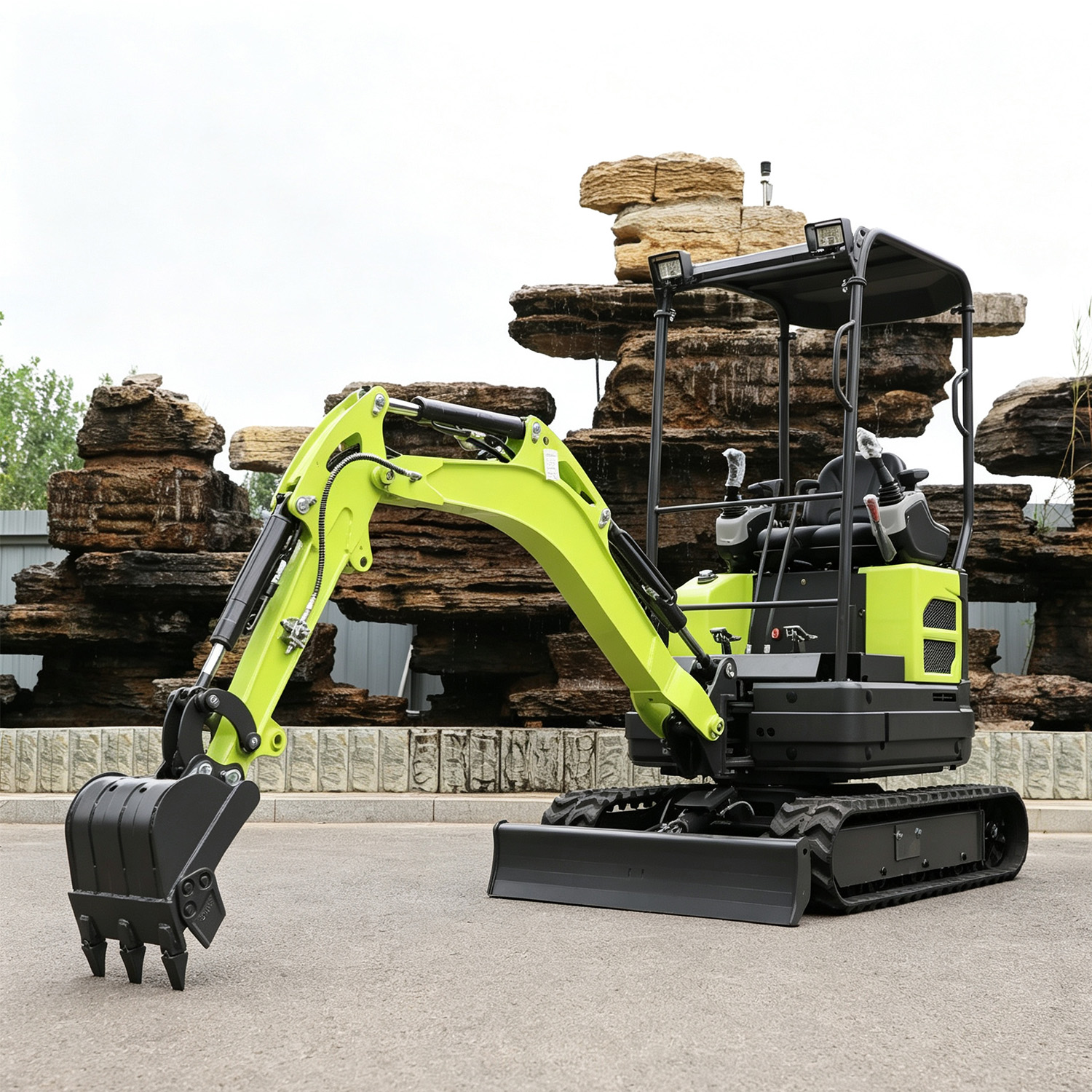
Anyone who has ever stood on a dusty job site swinging a sledgehammer or wrestling a heavy pneumatic jackhammer knows how quickly manual concrete removal drains a crew and wrecks a project budget. When residential contractors tear out a cracked backyard patio or municipal crews dig up a sunken sidewalk, bringing in a massive thirty-ton crawler is rarely an option because of narrow gates, low overhead clearance, and fragile turf. That reality explains why a compact excavtor has become the go-to workhorse for modern demolition contractors worldwide. A compact machine slips effortlessly through standard yard entrances while packing enough auxiliary hydraulic punch to turn solid slabs into haulable rubble in a single afternoon. Instead of paying four laborers for three days of exhausting physical work, a single operator sitting in an ergonomic cab can fracture, pry, and clear reinforced pavement with pinpoint control. Across urban construction zones in Europe, North America, and Australia, pairing a nimble carrier with purpose-built demolition tools has completely reshaped how small and mid-sized contractors bid on concrete removal jobs.
How Hydraulic Breakers Deliver Unmatched Concrete Breaking Power
Ask ten seasoned demolition supervisors what tool they reach for first when facing a stubborn slab, and nine of them will point straight to a hydraulic breaker. Often called a hammer on the job site, this attachment taps directly into the auxiliary hydraulic circuit of an excavtor to drive a hardened alloy piston against a steel chisel—or moil point—hundreds of times per minute. Each blow sends a high-velocity shockwave deep into the aggregate structure, creating micro-fractures that rapidly split the slab apart. Getting the best results, however, requires matching the hammer weight and oil flow to the right carrier size. For tight indoor gutting jobs or thin four-inch garden walkways, mounting a light nitrogen-charged hammer on a 1.2Ton YFE12 or 1.5Ton YFE15 excavtor keeps ground pressure low while delivering crisp, controlled strikes. When the job involves tearing out thicker residential driveways or commercial curbs, stepping up to a 1.8Ton YFE18, 2Ton YFE20U, 2.2Ton YFE22, or 2.7Ton YFE27 excavtor gives the operator the extra hydraulic flow and chassis footprint needed for non-stop hammering. For thick industrial warehouse floors or heavily reinforced roadbeds, a 3Ton YFE30 or 4Ton YFE40 excavtor with a 0.12m³ bucket capacity provides the heavy counterweight necessary to absorb harsh recoil and keep the chisel planted firmly against the work surface.
Secondary Tools That Turn Your Excavtor Into a Complete Demolition Crew
Relying solely on a hammer from start to finish is a rookie mistake that slows down site cleanup and burns unnecessary diesel. Smart operators treat their excavtor as a multi-tool carrier and rotate through specialized excavator attachments as each phase of the demolition unfolds. Before the hammer even touches the slab, a single-shank ripper tooth can hook underneath exposed concrete edges or frost-heaved sections to pry them upward, leveraging natural fault lines so the breaker has less surface area to pound. If the concrete is packed with thick steel rebar or wire mesh—common in structural walls and bridge approaches—swapping the hammer for a hydraulic crusher or pulverizer makes a world of difference. Unlike percussive hammers, hydraulic jaws quietly squeeze and crumble the concrete while snipping the exposed steel bars clean, which keeps noise complaints down in residential neighborhoods and lets crews separate scrap metal for recycling. Once the slab lies in jagged chunks, clamping a hydraulic thumb or grapple attachment onto the stick lets the excavtor operator pluck up awkward concrete slabs and stack them neatly into waiting dump trucks without a ground worker ever risking a crushed finger. Adding a quick coupler to the stick means switching from a breaker to a ripper or a digging bucket takes less than two minutes right from the cab area.
Matching Concrete Breaking Tools to Real Job Site Scenarios and Fleet Workflows
Every demolition contract brings its own headaches, so picking the right concrete breaking attachment always comes down to the physical environment and the cleanup workflow. During interior retail remodels or backyard pool removals, noise control and zero-tail-swing agility matter most; running a silenced box-type breaker on a 1.2Ton to 1.8Ton excavtor prevents ear-splitting echoes and protects nearby brick walls from stray vibrations. Out on city streets where utility contractors cut narrow trenches through asphalt and concrete to fix burst water mains, a 2Ton to 2.7Ton excavtor paired with a wedge-point chisel slices clean trench lines without blocking two lanes of traffic. On larger commercial tear-downs, pairing a heavy-duty breaker and a reinforced rock bucket on a 3Ton or 4Ton excavtor keeps production moving through eight-hour shifts. Of course, breaking the concrete is only half the battle—moving tons of broken rubble off the property is where profit margins are won or lost. Experienced fleet managers synchronize their excavtor breaking work with agile material handlers like the YF480, YF1200, or YF1000PRO skid steer loaders, or bring in zero-emission YFL06 and YFE04 electric loaders for indoor debris hauling, creating a continuous breaking-and-loading loop that clears sites in record time.
Technical Compatibility and Industry Standards That Protect Equipment ROI
Slapping an oversized hammer onto a light boom or ignoring hydraulic back-pressure is the fastest way to blow out cylinder seals and crack dipper sticks. Before bolting any tool onto a mini excavator, fleet owners need to verify three hard engineering numbers: operating weight ratio, auxiliary oil flow measured in liters per minute, and working relief pressure measured in bar or PSI. As a general field rule, the total weight of the breaker and mounting bracket should sit between eight and twelve percent—specifically around ten percent—of the total operating weight of the excavtor so the machine stays planted when reaching across a trench. Equally important are the manufacturing standards behind the steel itself. Equipment built under strict ISO 9001 quality management and ISO 14001 environmental standards, and verified by European CE safety certification, uses heat-treated alloy pins and precision-honed valve bodies that resist thermal expansion during scorching summer shifts. Sourcing both the carrier and factory-calibrated attachments from an established manufacturer eliminates guesswork, because senior hydraulic technicians pre-set the auxiliary relief valves and weld pin-to-pin mounting brackets to match the exact geometry of the boom before the crate ever leaves the loading dock.
Field Tested Operating Habits and Supply Chain Support From Infront Machinery
Even top-tier construction machinery will suffer premature wear if operators abuse the tool on tough concrete jobs. Veteran operators follow a strict fifteen-second rule when running a breaker on an excavtor: if a spot of concrete does not crack after fifteen to twenty seconds of hammering, stop immediately and reposition the chisel a few inches closer to a free edge. Hammering the exact same hole for a full minute only grinds the concrete into a fine powder cushion that absorbs impact energy while superheating the tip of the tool and burning out the lower bushings. Operators should also keep the chisel at a clean ninety-degree angle to the slab and never use the breaker point as a crowbar to pry up heavy blocks, since side-loading snaps hardened steel shanks in an instant. Pumping high-temperature molybdenum disulfide grease into the bushing zerk every two hours of continuous hammering flushes out abrasive silica dust and keeps metal-on-metal friction at bay. For contractors and equipment dealers looking for machines and attachments engineered to handle that kind of daily punishment, Infront Machinery brings over ten years of manufacturing expertise from its 100,000-square-meter production base in Jining, Shandong. With more than 30 national patents, over 100 senior technical engineers, and an annual output exceeding 30,000 units exported to more than 200 countries and regions, Infront Machinery supports global buyers with one-stop OEM, ODM, and OBM customization—delivering CE-certified compact machines and factory-matched concrete breaking tools straight to job sites worldwide.
Can a Compact Excavtor Break Thick Reinforced Concrete Driveways?
A compact 1.2Ton YFE12 or 1.8Ton YFE18 excavtor fitted with a properly matched hydraulic breaker handles standard four-inch to six-inch residential driveways and sidewalks with ease. If the driveway contains heavy steel rebar grid or exceeds eight inches in thickness, stepping up to a 2.7Ton YFE27, 3Ton YFE30, or 4Ton YFE40 excavtor provides the higher impact joules and hydraulic oil flow needed to fracture reinforced slabs efficiently without straining the carrier pump.
What Is the Difference Between a Hydraulic Breaker and a Concrete Crusher on an Excavtor?
A hydraulic breaker relies on rapid percussive blows from a steel chisel to shatter flat slabs, footings, and bedrock, making it the fastest choice for ground-level pavement removal. A hydraulic concrete crusher or pulverizer uses wide, high-pressure jaws to crunch through elevated walls, columns, and deck slabs with minimal noise and vibration while separating steel rebar from the rubble.
Which Chisel Point Shape Works Best for Excavtor Concrete Demolition?
For general concrete slab demolition, a moil point—shaped like a pyramid or cone—concentrates impact force into a single point to radiate cracks outward in all directions. When cutting a straight trench line for utility pipes or trimming concrete edges, a wedge chisel blade directs the splitting force along a single plane, while a blunt tool works best for secondary breaking of loose oversized concrete boulders.
How Do Contractors Match Hydraulic Flow Between an Excavtor and a Breaker Attachment?
Contractors check the auxiliary hydraulic output chart of the excavtor—specifically the flow rate in liters per minute and the operating pressure in bar—and compare those figures against the acceptable operating window stamped on the breaker data plate. Ordering the excavtor and breaker package together from a factory like Infront Machinery ensures the auxiliary lines, quick couplers, and flow control valves are pre-calibrated before shipment.
What Daily Maintenance Keeps an Excavtor Breaker Running Without Downtime?
Before firing up the excavtor each morning, operators should inspect hydraulic hoses for chafing, check that side-rod bolts and bracket pins are tight, and verify nitrogen gas pressure in the accumulator if impacts feel weak. During active concrete breaking, greasing the chisel shank every two to three hours with high-temperature moly paste while pressing the tool upright against the ground prevents dry galling and extends bushing life significantly.
Table of Contents
- Why Compact Machinery Dominates Modern Concrete Demolition Sites
- How Hydraulic Breakers Deliver Unmatched Concrete Breaking Power
- Secondary Tools That Turn Your Excavtor Into a Complete Demolition Crew
- Matching Concrete Breaking Tools to Real Job Site Scenarios and Fleet Workflows
- Technical Compatibility and Industry Standards That Protect Equipment ROI
- Field Tested Operating Habits and Supply Chain Support From Infront Machinery