
Get a Free Quote

Our representative will contact you soon.
Email
Mobile/WhatsApp
Name
Company Name
Message
0/1000

Maximum lifting capacity limitations of a heavy duty mini skid

2026-10-14 13:38:57
Maximum lifting capacity limitations of a heavy duty mini skid

Defining Tipping Load and Rated Operating Capacity

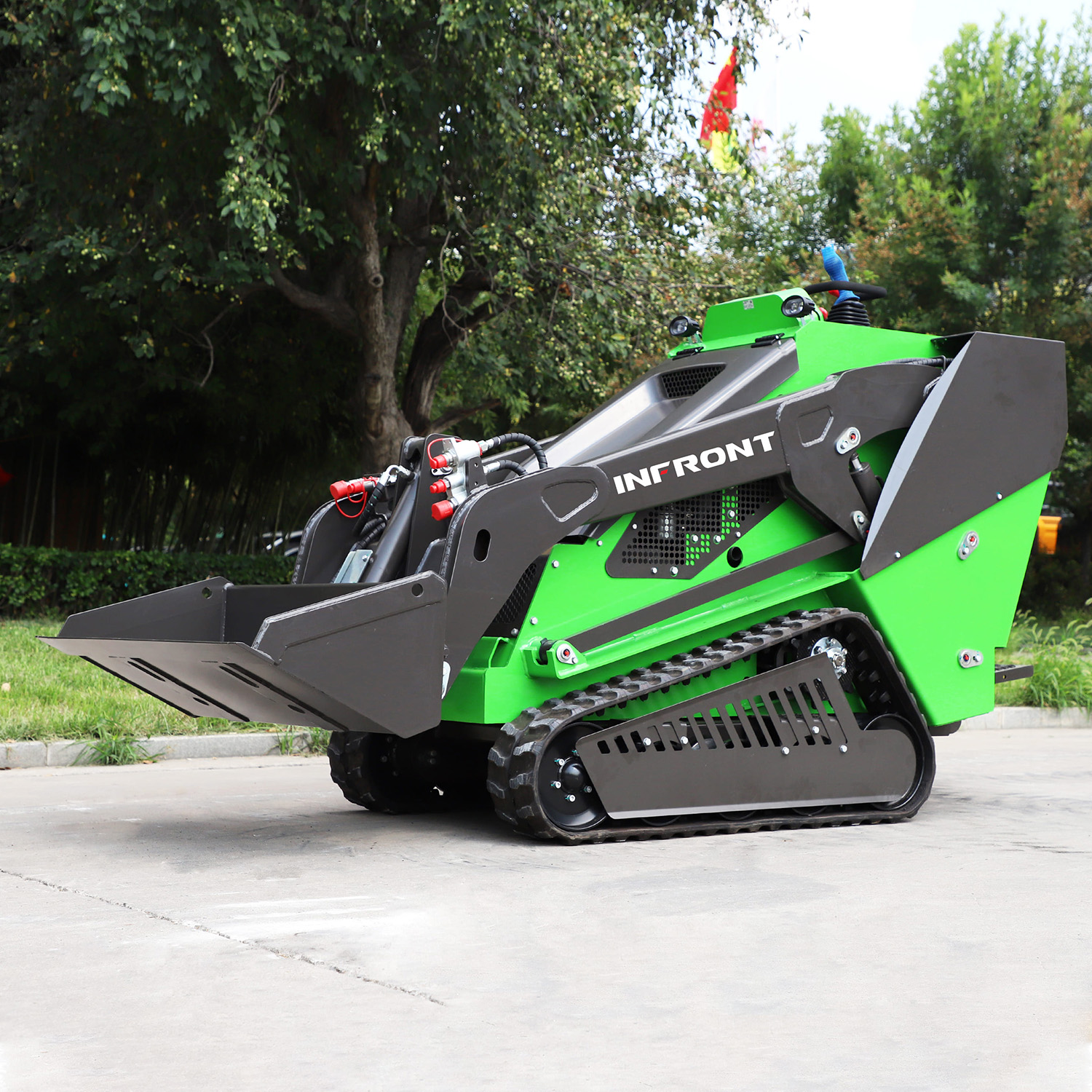
Understanding lift boundaries on a heavy-duty platform requires distinguishing between maximum tipping load and true rated operating capacity. When operating a powerful mini skid unit, tipping load represents the exact point where rear tracks lift off the ground under front bucket weight. Industry safety guidelines established by SAE standards mandate that rated operating capacity must never exceed fifty percent of total tipping weight on wheeled platforms or thirty-five percent on tracked setups. Pushing past these calculated rating limits alters machine balance, causes rear track lifting, and risks tipping accidents during full arm extension. Field operators handling dense granite slabs, wet concrete bags, or heavy pavers must respect these engineering boundaries to maintain complete ground stability and prevent unexpected machine overturns.

Hydraulic Pressure Limits and Cylinder Breakout Forces

Beyond physical machine weight counterbalances, lift capacity limits are directly governed by main hydraulic relief valve settings and lift cylinder bore dimensions. The hydraulic pump supplies high-pressure fluid through main lift cylinders to raise the boom arms under load. If an operator attempts to lift a boulder that exceeds hydraulic pressure relief thresholds, the main valve bypasses fluid internally to protect hydraulic lines from bursting. Operating a heavy-duty mini skid equipped with high-pressure relief settings ensures impressive arm breakout force, enabling the machine to pry packed dirt or lift dense stone pallets. However, relying solely on hydraulic pressure without proper chassis weight distribution can overload pivot pins and accelerate arm weld fatigue over time.

Attachment Center of Gravity Offset and Leverage Factors

Lifting limits change dramatically depending on the physical length, depth, and weight of the front tool attached to the loader plate. Standard dirt buckets keep heavy loads close to the front attachment plate, maintaining a favorable center of gravity. Installing extended pallet forks, tree spades, or heavy hydraulic augers pushes load weight further away from the front axle pin. Moving the center of gravity outward creates a lever effect that multiplies downward force, significantly lowering the safe lifting capacity of a compact loaders runner. Operators carrying wide timber pallets or heavy concrete pipes must adjust working loads downward to account for attachment offset, preventing front-end tipping during transit across uneven jobsite terrain.

Ground Incline and Dynamic Stability on Rough Terrain

Factory lifting ratings are always calculated under controlled laboratory conditions on flat, hard-packed concrete floors. Operating a loaded mini skid on sloped hillsides, muddy inclines, or loose gravel changes dynamic machine stability completely. Travelling down a steep residential slope with a raised, heavy bucket shifts total operating weight toward front idlers, drastically reducing rear track traction and lowering tipping resistance. Experienced operators keep loaded buckets positioned low to the ground during transit, only raising boom arms when fully stopped on stable, level earth to discharge materials into dump trailers or high-walled masonry hoppers.

Counterweight Additions and Chassis Balance

Contractors looking to maximize lifting performance without purchasing larger machinery frequently utilize bolt-on rear counterweight packages. Adding heavy steel counterweight plates to the rear frame shifts the center of mass backward, increasing overall tipping resistance and boosting safe working capacities. Equipping a rugged material handling machinery platform with rear weight kits allows crews to handle heavier material loads with complete confidence. However, adding excessive rear weight places higher stress on drive motors, track rollers, and rubber tracks during high-speed travel, requiring operators to strike a sensible balance between added lifting capacity and overall drive train longevity.

Preventing Structural Fatigue and Component Wear

Continuously operating near maximum lifting limits places intense mechanical stress on main boom arms, bucket tilt links, and cylinder mounting brackets. Repeatedly shock-loading lift arms when popping heavy stumps out of hard clay can create micro-fractures along critical weld seams over time. Selecting a heavy-duty mini skid engineered with thick steel plate fabrications and greaseable hardened steel pins ensures long-term resistance against twisting forces. Regular maintenance practices, such as inspecting hydraulic hose fittings, checking relief pressure settings, and greasing pivot points every ten working hours, prevent premature mechanical failure and keep equipment operating at peak lifting efficiency.

Maximizing Jobsite Performance with Infront Engineering

Delivering outstanding lifting strength while maintaining top-tier operator safety requires partnering with an equipment manufacturer that understands structural force distribution and hydraulic system design. Infront manufactures high-performance compact loaders, mini excavators, and versatile attachments engineered specifically to meet the demanding lifting requirements of international landscaping, utility, and construction crews. Built with high-tensile steel booms, heavy-duty chassis plates, and responsive pilot hydraulic controls, every machine engineered by Infront provides superior lifting stability, exceptional breakout force, and long-term durability. Backed by solid international logistics channels, overseas spare parts warehouses, and rapid technical support networks, Infront empowers global contractors to handle heavy material loads safely and scale their business with complete confidence.