
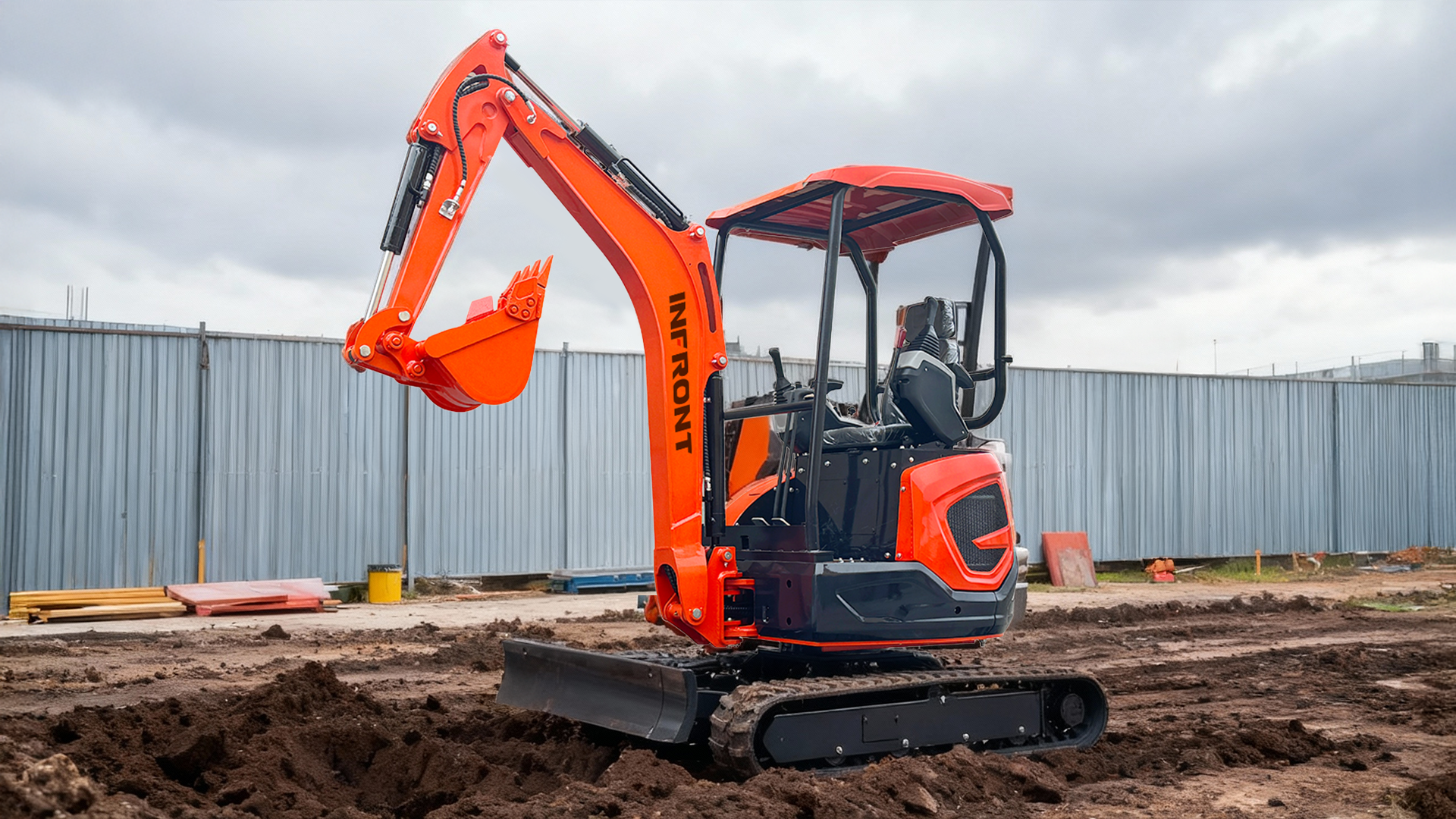
Navigating Waterlogged Soils with Low Ground Pressure
Tackling field improvement chores right after heavy rainstorms or managing routine irrigation repairs in waterlogged paddy fields poses severe challenges for agricultural crews. Standard farm tractors and heavy wheel loaders frequently get bogged down in deep mud, creating massive tire ruts that destroy topsoil structure and demand hours of towing recovery. Operating a agile
Slicing Drainage Ditches to Prevent Crop Root Rot
Stagnant surface water standing in field corners ruins crop yields by suffocating plant roots and delaying seasonal planting schedules. Digging clean, uniform drainage channels through sticky, water-logged mud requires steady machine position and exact hydraulic bucket control. Matching a compact
Utilizing Wide Dozer Blades and Track Extension Stance
Maintaining machine balance on slick, uneven terrain requires smart undercarriage features that adapt to changing ground conditions. When wading through deep mud pools or clearing matted vegetation along pond banks, narrow track settings risk side slippage. Deploying a versatile
Operating High-Torque Hydraulics Without Engine Stalls
Scooping heavy, water-saturated clay places intense resistance on bucket teeth and arm cylinders, causing underpowered machines to stall out mid-cycle. Efficient mud digging demands a balance between engine horsepower, hydraulic pump displacement, and pilot valve tuning. Equipping nimble
Swapping Attachments Fast on Soft Wet Ground
Modern agricultural land preparation involves much more than simply scooping wet dirt out of ditches; it demands clearing fence lines, drilling tree planting holes, and moving heavy culvert pipes across soggy pastures. Forcing field operators to manually hammer out mud-covered bucket pins in wet fields wastes valuable daylight and creates jobsite safety hazards. Running a versatile
Preventing Undercarriage Mud Buildup and Track Slippage
Sticky mud and clay have a nasty habit of packing tightly into track rollers, idler wheels, and drive sprockets, raising track tension and causing premature rubber track wear if left unaddressed. Experienced farm machine operators perform simple mid-shift undercarriage clearing to keep track drives turning freely. Utilizing the main boom and dozer blade to lift one side of the machine track off the ground allows operators to spin the track in air, flinging loose mud clods out of the frame before packed dirt dries hard. Selecting machines engineered with open sloped track frame designs encourages mud to slide off naturally during travel, preventing track derailments and keeping undercarriage drive components running cool and clean throughout long field shifts.
Empowering Agricultural Productivity with Infront Quality
Sustaining high agricultural output across challenging rural terrains requires partnering with a machinery manufacturer that builds rugged structural durability and offers fast global support.
Table of Contents
- Navigating Waterlogged Soils with Low Ground Pressure
- Slicing Drainage Ditches to Prevent Crop Root Rot
- Utilizing Wide Dozer Blades and Track Extension Stance
- Operating High-Torque Hydraulics Without Engine Stalls
- Swapping Attachments Fast on Soft Wet Ground
- Preventing Undercarriage Mud Buildup and Track Slippage
- Empowering Agricultural Productivity with Infront Quality