
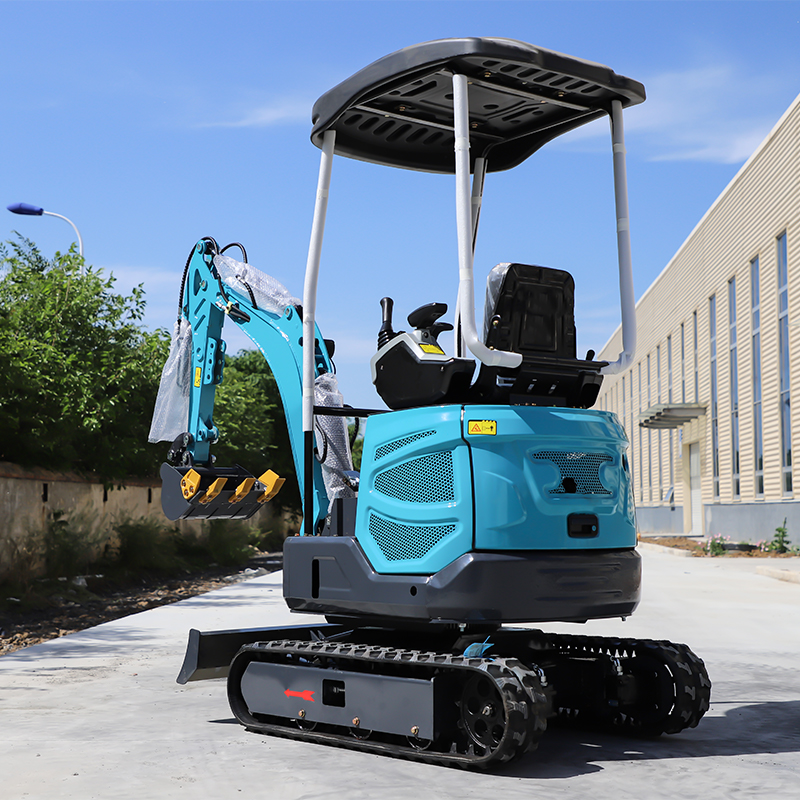
Sifting Soil and Separating Debris with Heavy Tines
Tackling overgrown lots, dense brush pastures, and woodland site preparation frequently presents severe operational hurdles when using traditional digging buckets. Standard buckets scoop up massive quantities of topsoil along with unwanted surface debris, filling haulage trucks prematurely and leaving behind deep craters that require hours of backfilling. Mounting a heavy-duty root rake onto a versatile
Ripping Stubborn Tree Roots without Disturbing Subsoil
Clearing invasive shrubs and saplings requires extracting root systems completely to prevent aggressive regrowth across finished turf or construction pads. Pulling stumps using standard bucket teeth often tears up subsoil layers, destabilizing the ground and creating soft spots that threaten future building foundations. Operating a compact
Clearing Thorny Brush and Overgrown Vegetation Safely
Clearing thick briar patches, thorny blackberry bushes, and fallen timber by hand or with manual chainsaws exposes field crews to severe puncture injuries, insect bites, and physical exhaustion. Utilizing a reliable
Pairing Heavy Rakes with Hydraulic Thumbs for Maximum Grip
While a standalone rake excels at combing surface debris, pairing it with a responsive hydraulic thumb creates an unstoppable material handling package. Equipping a modern
Reducing Site Haulage Costs by Minimizing Soil Waste
Logistics expenses and tipping fees at municipal recycling yards swallow a substantial portion of overall land clearing profit margins. Trucking away heavy loads of mixed soil and woody waste inflates fuel costs and demands multiple transport runs throughout the workday. Operating a nimble
Preventing Hydraulic Wear and Attachment Structural Strain
Subjecting land rakes to continuous prying forces when ripping buried boulders or ancient tree stumps requires robust attachment manufacturing and smart operator technique. Trying to pop massive stumps using only bucket cylinder torque can twist attachment hitches and cause hydraulic relief pressure spikes. Experienced operators use a sweeping movement, combing around the perimeter of root systems to sever lateral runner roots before applying vertical lift. Selecting rakes fabricated from high-tensile, wear-resistant steel plates with reinforced gusset welds prevents tine bending under heavy twisting loads. Regular maintenance, such as checking hitch pin tolerances and inspecting hydraulic line connections every shift, ensures smooth operation and extends attachment working lifespan.
Driving Land Preparation Productivity with Infront Quality
Achieving outstanding land clearing performance across challenging outdoor environments requires partnering with an equipment manufacturer that blends structural steel strength with versatile hydraulic engineering.
Table of Contents
- Sifting Soil and Separating Debris with Heavy Tines
- Ripping Stubborn Tree Roots without Disturbing Subsoil
- Clearing Thorny Brush and Overgrown Vegetation Safely
- Pairing Heavy Rakes with Hydraulic Thumbs for Maximum Grip
- Reducing Site Haulage Costs by Minimizing Soil Waste
- Preventing Hydraulic Wear and Attachment Structural Strain
- Driving Land Preparation Productivity with Infront Quality