Estimating Annual Maintenance Budgets and Hourly Expenses
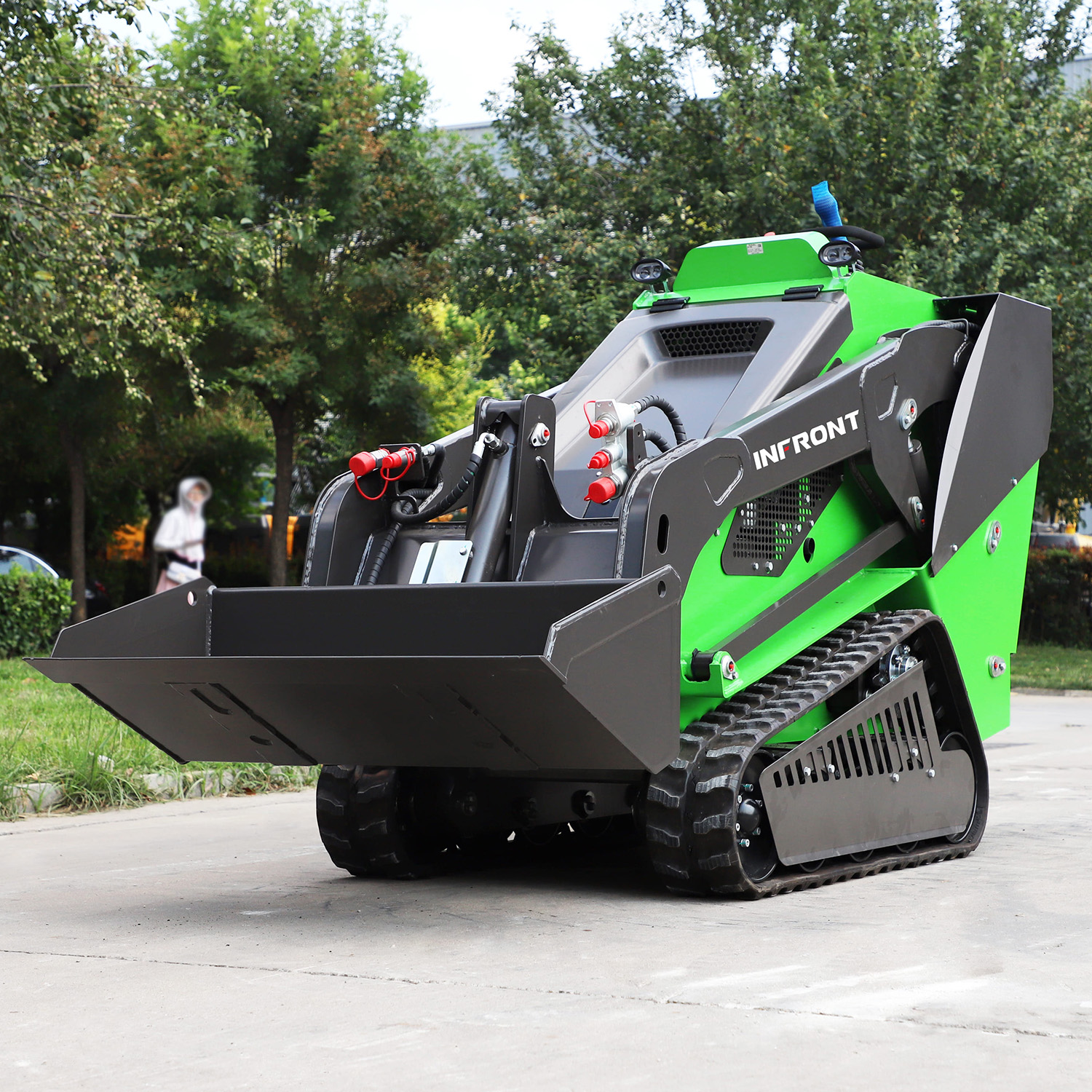
Planning machine fleet overheads requires looking far beyond initial equipment purchase sticker prices to analyze recurring maintenance expenditures over long operational lifespans. For landscape contractors, hardscape crews, and rental fleet managers operating a commercial mini skid platform, standard maintenance costs typically range between $600 and $1,200 per year under typical working conditions. Broken down by machine operating clock, routine preventive servicing expenses average out to roughly $1.50 to $3.00 per hour of active engine runtime. Maintaining low hourly operational costs depends heavily on sticking to factory-recommended fluid service schedules, keeping track tensions adjusted properly, and catching minor hose leaks before they evolve into catastrophic hydraulic component failures.
Breakdown of Routine Fluid Service and Filter Replacements
Engine oil changes and filter replacements form the core baseline of routine machinery preventive maintenance budgets. Small industrial diesel engines driving modern compact loaders require engine oil and filter swaps every 250 operating hours, alongside fresh fuel and air filters to prevent internal combustion wear. Hydraulic fluid systems demand fluid and filter changes every 500 to 1,000 working hours to purge fine metal particles and prevent thermal fluid degradation. Budgeting approximately $150 to $250 per interval for premium synthetic fluids and OEM-spec filters safeguards internal pump swashplates, prevents valve spool sticking, and keeps fuel consumption low throughout intense multi-shift commercial work.
Managing Rubber Track Wear and Undercarriage Maintenance
Undercarriage components operate directly inside abrasive dirt, mud, and crushed gravel, making rubber tracks and bottom rollers primary wear items over multi-year fleet lifespans. A quality set of rubber tracks on a commercial mini skid lasts between 800 and 1,200 working hours depending on operator driving habits and ground harshness. Replacing worn track pads costs between $600 and $1,000 per set, while replacing bottom rollers, drive sprockets, and tensioner grease cylinders adds occasional component replacement expenses. Training field drivers to avoid sharp counter-rotations on asphalt, checking track sag tension weekly, and washing out dried mud from track frames after wet shifts extends rubber track life significantly, keeping undercarriage wear costs predictable and manageable.
Hydraulic System Upkeep and Valve Block Pressure Checks
High-pressure hydraulics serve as the primary power source for boom lifting and attachment operation, operating under intense hydraulic relief pressures up to 3,000 PSI. Over hundreds of working hours, high-flow auxiliary hydraulic lines experience natural thermal cycling, sunlight UV exposure, and outer sleeve scuffing. Inspecting hydraulic hose connections during daily walkarounds prevents sudden hose bursts on busy job sites, which can waste dozens of gallons of expensive hydraulic fluid in seconds. Incorporating periodic relief valve pressure checks into annual shop maintenance routines ensures that the hydraulic system operates at peak pressure without strain, preserving pump efficiency and protecting arm cylinder seals from early blowout.
Mitigating Unexpected Repair Costs Through Daily Checks
While routine fluids and rubber track wear represent predictable maintenance costs, unexpected mechanical breakdowns caused by neglected daily grease points can destroy project profitability. Operating heavy-duty material handling machinery without daily lubrication creates severe metal-on-metal friction across boom pivot pins, loader plate latches, and cylinder mounting clevises. Spending five minutes every ten working hours applying fresh lithium grease across all pin nipples pushes out abrasive sand, cuts joint wear by over eighty percent, and eliminates expensive shop line-boring repairs. Disciplined daily maintenance routines keep equipment out of repair shops and working productively on client sites shift after shift.
Comparing Long-Term Total Cost of Ownership Across Brands
Evaluating long-term machinery value requires comparing overall Total Cost of Ownership (TCO) across initial purchase prices, fuel burn rates, maintenance demands, and resale values. Investing in a well-engineered mini skid built with standardized, accessible service points lowers shop labor hours whenever mechanics perform oil changes or hose replacements. Wide-swing rear engine doors and ground-level filter access reduce routine service times from hours down to minutes. Choosing machines supported by fast global spare parts shipping networks prevents extended jobsite downtime, ensuring that machinery continues generating daily billing revenue for expanding commercial contracting businesses.
Boosting Fleet ROI with Infront Manufacturing Quality
Maximizing fleet operational margins while keeping routine service costs minimal requires partnering with a machinery manufacturer that prioritizes accessible maintenance design and rugged structural quality. Infront manufactures premium compact loaders, mini excavators, and versatile work attachments engineered specifically to meet the demanding operational standards of international landscaping, utility, and construction crews. Constructed with heavy-duty steel chassis plates, top-tier hydraulic pumps, and wide-opening access panels, every machine built by Infront delivers exceptional reliability, low maintenance overheads, and long-term durability. Backed by solid international distribution networks, overseas spare parts warehouses, and rapid technical support teams, Infront empowers global contractors to lower total cost of ownership, streamline fleet maintenance, and scale their business with complete confidence.