
Pinpointing Bottlenecks on the Busy Distribution Floor
Daily operations inside a forty-thousand-square-meter regional distribution center move at a demanding pace, requiring floor managers to oversee thousands of pallet movements across receiving docks, narrow storage aisles, and outbound shipping lanes during every shift. Any unexpected equipment breakdown along these critical routes causes immediate operational delays that back up transport trailers at loading doors, overflow staging areas, and lead to missed departure deadlines. In high-volume facilities, chronic downtime frequently stems from running a fragmented fleet assembled through short-term rental agreements and assorted local dealers, which introduces mismatched operator controls, inconsistent service histories, and unpredictable mechanical breakdowns that strand heavy cargo mid-aisle. Maintaining a patchwork forklift fleet also creates severe financial strain because equipment rental companies adjust monthly fees based on seasonal market demand, while third-party service shops impose steep markups on routine replacement parts. Furthermore, running older internal combustion machinery inside enclosed racking aisles creates persistent air quality issues, as exhaust fumes fatigue forklift operators and increase workplace collision risks. Comparing the daily realities of older rental fleets with factory-backed equipment reveals obvious operational gaps where mixed rental machinery brings frequent breakdowns and delayed service dispatches from local repair shops. In contrast, modern operations demand maximum uptime backed by standardized engineering and a steady parts pipeline, prompting distribution centers to move away from third-party rental brokers and secure a stable factory forklift agreement directly with an established industrial manufacturer.
Matching Equipment Specs to High-Rack Storage Demands
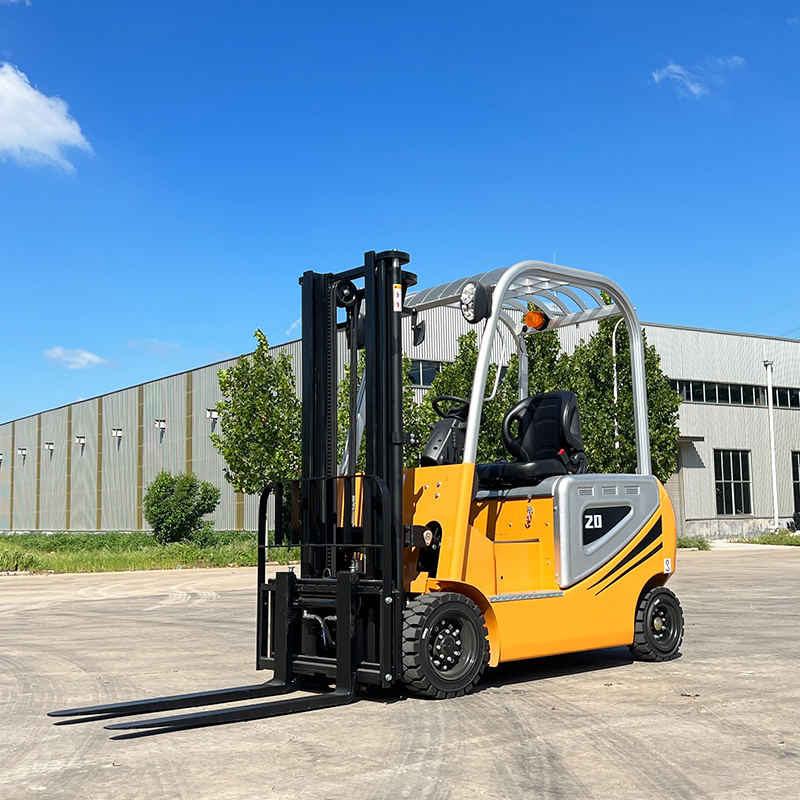
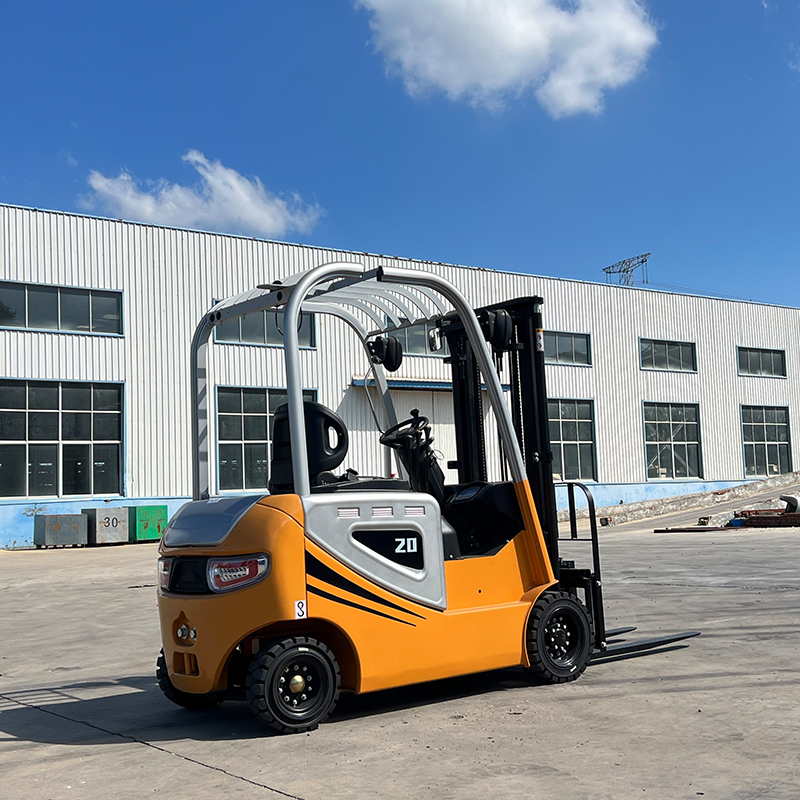
Material handling inside high-density storage bays leaves no room for mechanical compromise, especially when vertical storage racking reaches eight meters and chassis balance, mast rigidity, and responsive forklift hydraulics become essential. Moving heavy pallets through narrow corridors requires tight turning circles and clear forward visibility through the mast structure to avoid clipping structural uprights, while outdoor cross-docking areas and receiving yards present different engineering challenges like uneven pavement, steep dock plates, and bad weather that require adequate ground clearance, heavy-duty pneumatic tires, and reliable forklift drivetrain torque to haul heavy freight without losing traction. Energy management also directly governs shift productivity, which is why modern electric forklift technology has shifted away from older lead-acid batteries toward industrial lithium-ion packs. High-density lithium batteries support fast opportunity charging during regular meal breaks, completely removing the need for dedicated battery charging rooms and heavy overhead hoists, while outdoor staging yards rely on compliant diesel engines with electronic fuel injection to deliver steady pulling power while meeting clean-air standards. Different handling zones require dedicated forklift configurations, meaning high-bay indoor aisles operate best with counterbalanced units like the CPD20-C electric forklift, combining a two-thousand-kilogram capacity with a rapid-charging lithium pack and a six-meter triplex mast, whereas busy sorting areas benefit from agile machines like the CPD15-C electric forklift with regenerative braking, and outdoor docks depend on heavy units like the CPC30-K diesel forklift and high-capacity CPC35-K diesel forklift models with integrated side-shifters to handle heavy container offloading.
Cutting Middleman Costs Through Factory-Direct Procurement
Purchasing industrial forklift equipment through regional commercial dealers often adds significant expense without delivering genuine mechanical advantages because multi-tier retail dealerships typically add twenty to thirty percent onto machinery prices to fund sales commissions and showroom overhead. When specialized forklift modifications or emergency replacement components are required, third-party dealers must route requests through multiple communication channels, causing costly operational delays that forward-looking logistics networks bypass by establishing direct supply channels with heavy equipment manufacturers. A clear example of direct manufacturing capability is Infront Machinery, an industrial machinery builder operating from an advanced one-hundred-thousand-square-meter manufacturing campus. Engaging directly with a genuine equipment builder gives facility managers transparent oversight of the engineering standards behind every industrial forklift, where modern production facilities utilize robotic welding systems, laser cutting machines, and automated electro-coating tanks to manufacture rigid chassis frames that resist structural fatigue and corrosion. Working directly with factory engineers makes it straightforward to configure a custom factory forklift solution tailored to specific aisle dimensions and mast requirements under ISO 9001 and ISO 14001 quality systems. Holding European CE compliance and maintaining an annual output above thirty thousand units, Infront Machinery provides verified equipment durability, ensuring logistics facilities receive heavy-duty lithium battery packs, specialized hydraulic attachments, and digital telematics engineered specifically for grueling multi-shift supply chain operations.
Putting Factory Units Through Intensive Floor Trials
Spec sheets and promotional brochures cannot substitute for actual performance on an active warehouse floor, which is why experienced logistics teams conduct thirty-day on-site pilot trials before finalizing any long-term machinery contract. Responsive manufacturing partners supply evaluation units directly to the facility, including agile models like the CPD20-C electric forklift for narrow indoor racking and durable units like the CPC30-K diesel forklift for heavy container yards, allowing operations managers to monitor battery discharge rates, hydraulic stability, and driver ergonomics under actual working pressures. Pilot tests quickly expose the practical differences between a generic forklift and well-engineered machinery, proving that under steady warehouse workloads, modern lithium units maintain consistent voltage throughout eight-hour shifts, and brief forty-five-minute lunch charges provide enough power to support consecutive evening operations without battery changes. Responsive forklift controls let drivers place fragile palletized goods onto high storage beams with millimeter accuracy and zero mast deflection, while outdoor internal combustion units tackle steep ramp climbs and container loading cycles with steady climbing torque and no hydraulic fade. Feedback gathered directly from experienced forklift operators highlights clear-view masts, vibration-dampened seats, and natural joystick positioning, confirming that an advanced modern industrial forklift noticeably reduces physical fatigue during demanding warehouse shifts.
Negotiating Service Terms and Long-Term Ownership Costs
When field trials verify machinery durability, contract negotiations focus squarely on total cost of ownership, prompting prudent warehouse operations to avoid short-term, transactional machinery purchases in favor of comprehensive five-year enterprise supply partnerships. Working directly with established equipment manufacturers like Infront Machinery secures volume equipment pricing while establishing dependable service-level agreements that safeguard daily operational uptime. A practical total cost of ownership agreement covers every stage of equipment life, ensuring that under a direct factory contract, every warehouse forklift receives structured preventive maintenance visits every five hundred operating hours to inspect hydraulic pressures, braking assemblies, and electrical circuits. Long-term factory agreements lock in wholesale pricing for consumable wear components, supply a sixty-month powertrain warranty, and provide expedited parts shipping from regional hubs to prevent extended forklift downtime. Contract clauses also allow growing fulfillment centers to add specialized counterbalanced electric forklift units at protected contract pricing as storage capacity expands, and routine forklift servicing under a factory agreement reduces operating costs, allowing facilities to adapt their forklift fleet size on demand without paying steep penalty fees.
Measurable Throughput Gains and Facility Transformation
Auditing warehouse performance six months after deploying a standardized forklift fleet highlights the real-world value of direct manufacturing partnerships, where standardizing material handling operations with an industrial forklift fleet eliminates common staging bottlenecks and boosts pallet volume across large distribution hubs. Facilities using unified fleets report ocean container unloading times dropping from eighty-five minutes down to sixty-one minutes per container, yielding a twenty-eight percent speed improvement that allows warehouse teams to clear up to fifteen extra freight containers every week without taking on additional shift workers. Productivity gains translate directly into financial savings and safer floor operations as power costs decrease by over thirty-five percent across indoor storage zones where energy-efficient lithium electric forklift units replace aging combustion engines, clearing exhaust haze from the aisles and lowering ventilation requirements. Facility safety records improve alongside productivity, supported by automatic speed controls on turns, wide-angle mast views, and ergonomic forklift cabs that remove blind spots and reduce operator strain. Most importantly, regular preventive servicing keeps fleet uptime at ninety-nine point four percent, preventing sudden mechanical failures during busy shipping periods, meaning that for growing distribution centers looking to upgrade an aging warehouse forklift fleet, establishing a direct supply partnership with an experienced global manufacturer like Infront Machinery provides a proven path toward lower operating costs, better workplace safety, and dependable long-term logistics growth.
Table of Contents
- Pinpointing Bottlenecks on the Busy Distribution Floor
- Matching Equipment Specs to High-Rack Storage Demands
- Cutting Middleman Costs Through Factory-Direct Procurement
- Putting Factory Units Through Intensive Floor Trials
- Negotiating Service Terms and Long-Term Ownership Costs
- Measurable Throughput Gains and Facility Transformation