
Checking for Utilities and Ground Obstacles Before Digging
Taking on an excavation job with a heavy attachment requires careful preparation long before you start the engine. Ground penetration is a tricky task, and striking a buried power line or water pipe is a quick way to cause costly damage, face heavy local fines, or suffer severe personal injury. This is why calling local utility hotlines, like 811 in North America, to mark out underground cables is always the non-negotiable first step. Once the utility marks are clear, a thorough walkover of the work area is needed to spot surface obstacles. Large tree roots, buried asphalt, and heavy stones can easily jam a moving digging chain, so clearing these hazards beforehand is essential. Setting up a solid safety boundary of at least five meters around the path keeps onlookers clear of flying rocks and debris that are thrown from the dirt at high speeds. Only when the path is fully cleared and verified should you align your mini skid steer to begin the cut.
Securing the Quick-Attach Plate and Connecting Hydraulic Lines
Mating a heavy trenching attachment to a compact loader requires precise mechanical alignment to keep the tool secure under pressure. Modern utility loaders use a universal quick-attach mounting system where you align the top flange, roll back the plate, and engage the locking pins. It is vital to check that both spring-loaded pins have pushed completely through the bottom holes of the attachment plate. Any loose play in this connection will cause the digging bar to wobble during heavy load-bearing work, which ruins your trench line and risks damaging the machine's lift arms. Handling the auxiliary hydraulic lines requires similar care. Always relieve the system pressure by turning the engine off and moving the auxiliary loader controls back and forth before plugging in the quick-disconnect couplers. Wiping the coupler faces clean keeps abrasive grit out of the hydraulic oil, protecting the internal pumps from wear. For high-torque attachments, making sure your machine's gallon-per-minute flow rate matches the attachment's needs prevents hydraulic overheating during long work shifts.
Setting Digging Chain Tension and Choosing the Right Cutting Teeth
The high friction of dirt digging means checking your chain tension is a daily chore before starting any job. A loose chain can easily derail and warp the guide bar, while an over-tightened chain strains the hydraulic motor, stealing cutting power and wearing out bearings early. You can check the tension by pulling the chain near the middle of the guide bar; a proper setup should leave about fifteen to twenty millimeters of clearance. Choosing the right style of teeth for your soil is also key to smooth cutting. Cup teeth work great for scooping out wet clay and soft dirt, while carbide-tipped rock teeth are needed to chip through frozen soil, compacted gravel, or tough shale. Keeping the teeth sharp and replacing chipped ones prevents uneven stress on the drive sprocket, helping your mini skid steer track in a straight line without pulling to one side.
Executing the Cut and Managing Reverse Travel Speed
Excavating with a chain-type attachment is always done while traveling in reverse. After positioning the machine at the start of your run, raise the loader arms slightly and tilt the attachment nose downward toward the soil. Engage the auxiliary hydraulics to get the chain spinning at full speed, then slowly lower the boom to plunge the bar into the ground. Diving slowly into the dirt prevents sudden shock loads from stalling the engine or slipping the drive belt. Once you reach your target depth, slowly back up the mini skid steer to pull the bar through the soil. Moving backward gives you a clear view of the trench and the side-discharge auger as it clears away the spoil dirt. Keep your travel speed slow and steady; forcing the machine backward too fast overloads the motor, forces hydraulic oil through the relief valve, and brings the chain to a sudden stop.
Managing Underground Jams and Choosing Durable Factory Equipment
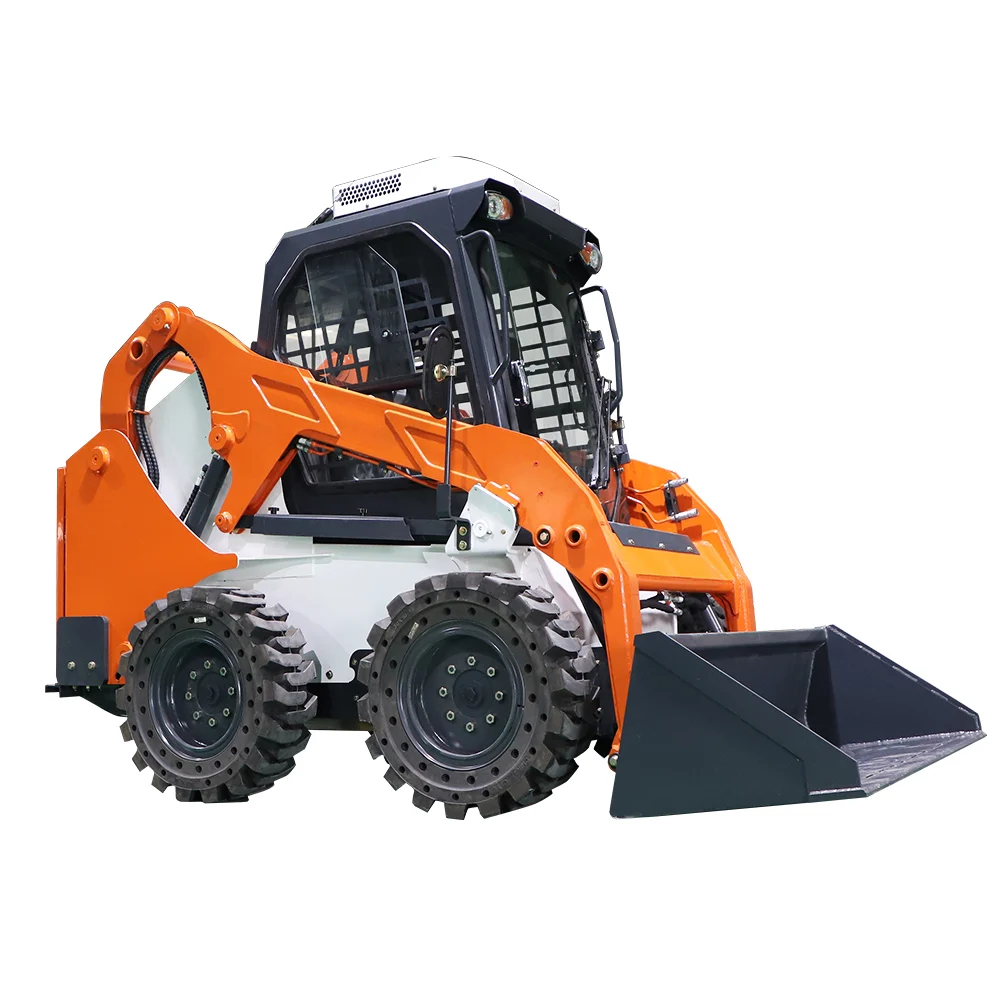
Striking thick tree roots or large buried stones is bound to happen on any job. If the cutting chain stalls, stop backing up immediately to avoid bending the loader lift arms or cracking the drive sprocket. Slightly raise the loader boom to ease the downward pressure, then cycle the auxiliary valve into reverse to back the chain out of the jam before resuming. Never attempt to clear a jammed chain by hand while the engine is running. Always drop the lift arms, shut off the engine, set the brake, and disconnect the hydraulic lines first. To handle these demanding, high-torque attachments with confidence, many landscape professionals choose direct factory support from Infront Machinery. Their compact track loaders, like the YF380 utility model, feature robust 24HP dual-cylinder engines and a dedicated third hydraulic pump that delivers thirty percent more flow to auxiliary tools. Backed by ISO 9001 quality systems and CE safety standards, choosing factory-direct equipment ensures lower maintenance costs, reliable replacement parts, and the durability needed to keep jobs moving forward.
Table of Contents
- Checking for Utilities and Ground Obstacles Before Digging
- Securing the Quick-Attach Plate and Connecting Hydraulic Lines
- Setting Digging Chain Tension and Choosing the Right Cutting Teeth
- Executing the Cut and Managing Reverse Travel Speed
- Managing Underground Jams and Choosing Durable Factory Equipment