
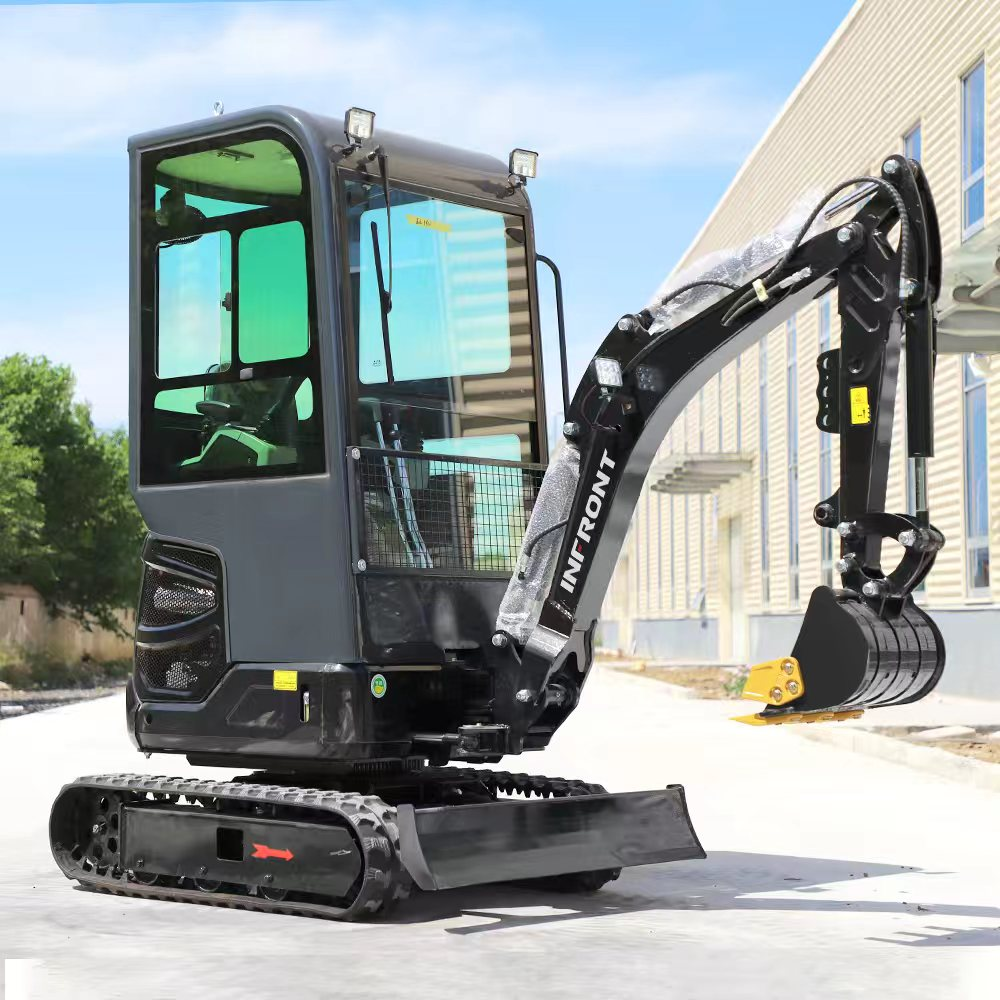
Looking Beyond Low Price Tags on Equipment Listings
Finding a reliable piece of compact earthmoving machinery at an economical price is the primary goal for small acreage farmers, utility plumbers, and landscape contractors. Job sites keep getting tighter, labor costs keep climbing, and having a dedicated digging machine on a trailer transforms daily job turnaround. However, scrolling through endless machinery classifieds in search of an affordable mini excavator for sale can be treacherous territory. The market is flooded with budget-priced machines, but an enticingly cheap initial sticker price often conceals serious mechanical compromises. Low-grade steel, sloppy hydraulic plumbing, and generic engines without emission certifications can quickly turn a budget purchase into a repair-shop nightmare. Avoiding these costly pitfalls comes down to running a thorough physical inspection checklist before any money changes hands.
Examining Structural Steel and Boom Pivot Bushings
A solid structural backbone is the first thing to verify when assessing a used or new mini excavator for sale. Heavy digging puts intense torsional twisting and shock loads through the kingpost, boom foot, and dipper arm. Buyers must walk around the machine to inspect the factory weld beads. Quality fabrication shows clean, uniform robotic welds with deep steel penetration, whereas rough, splattered beads or fresh touch-up paint can hide stress fractures and poor metal fusion. After checking the steel, grab the bucket and shake it firmly by hand, or lift the arm slightly off the ground to check for loose play in the pins and bushings. Excessive slop at the boom pivot or bucket linkage leads to jerky controls and uneven grading. Make sure every grease fitting takes grease smoothly, as dry, scored pins indicate neglected maintenance that will cost hundreds of dollars to bore out and replace.
Performing Cold Engine Starts and Checking Exhaust Smoke
The diesel engine powers every hydraulic function on the machine, so verifying its mechanical health is non-negotiable. When inspecting a compact mini excavator for sale, insist on starting the engine from stone cold. If the seller already warmed up the machine before you arrived, let it cool down completely so you can observe a true cold start. Turn the key and listen closely for rapid ignition without extended cranking, unusual knocking sounds, or severe engine shudder. Once running, remove the oil filler cap carefully to check for excessive crankcase blowby, which reveals worn piston rings. Take a clear look at the exhaust pipe as well. A short puff of white smoke upon cold ignition is normal, but persistent blue smoke signals burning engine oil, and heavy black smoke under load points to injector issues or poor combustion. Reliable machines feature reputable, certified engines from brands like Kubota, Yanmar, or Briggs and Stratton that comply with EPA Tier 4 or Euro 5 emissions.
Testing Hydraulic Pump Flow and Valve Bank Pressure
Digging power depends entirely on hydraulic efficiency rather than raw engine horsepower alone. While operating a prospective mini excavator for sale, warm up the hydraulic oil to operating temperature and test the controls under load. The machine should execute simultaneous compound movements—such as tracking forward while raising the boom and curling the bucket—without engine stalling or hydraulic chatter. Dead-head the boom cylinder at full extension for three seconds to listen for the hydraulic relief valve opening smoothly without harsh squealing. Modern pilot joysticks provide light, predictable feathering control, whereas direct mechanical floor levers feel stiff and fatigue the operator after a few hours of work. Do not overlook the auxiliary hydraulic plumbing along the boom. Having sturdy, factory-installed auxiliary hydraulic lines is vital for powering secondary tools like hydraulic thumbs, auger drives, and concrete breakers without expensive custom retrofits.
Inspecting Undercarriage Wear and Track Tensioning Systems
The undercarriage takes the brunt of rough job site conditions and accounts for a large portion of ongoing maintenance expenses. While scrutinizing an affordable mini excavator for sale, lift each side off the ground using the blade and boom to inspect the rubber tracks, bottom rollers, idlers, and drive sprockets. Examine the rubber tracks for deep cuts, missing tread lugs, and exposed steel cords. Inspect the drive sprocket teeth; if they are worn down to sharp points like shark fins, replacement is overdue. Check that the hydraulic grease tensioners hold pressure properly to prevent track sag during tight pivot turns in mud. For residential contractors working behind tight garden fences, choosing a model equipped with hydraulic retractable tracks makes a huge difference. A retractable undercarriage narrows the machine width to slip through narrow garden gates, then widens out hydraulically to provide a stable footing for heavy trenching.
Sourcing Directly from Proven Manufacturers Like Infront Machinery
Securing dependable equipment without paying inflated retail markups requires choosing the right supply channel. Traditional retail dealerships typically tack on twenty to thirty percent price margins to cover regional showroom leases and salesperson commissions. Commercial operators bypass these extra layers by sourcing a dependable mini excavator for sale directly from established industrial manufacturing facilities. A trusted name in this sector is Infront Machinery, operating a massive one-hundred-thousand-square-meter modern production facility equipped with CNC laser cutting, automated welding cells, and comprehensive dyno test bays. Certified under ISO 9001 and European CE safety directives, their tracked equipment pairs heavy cast-iron counterweights with premium hydraulic pumps and brand-name engines. Purchasing an industrial mini excavator for sale straight from an authentic manufacturer guarantees transparent pricing, customizable auxiliary attachments, and dependable access to original factory spare parts for years of reliable operation.
Table of Contents
- Looking Beyond Low Price Tags on Equipment Listings
- Examining Structural Steel and Boom Pivot Bushings
- Performing Cold Engine Starts and Checking Exhaust Smoke
- Testing Hydraulic Pump Flow and Valve Bank Pressure
- Inspecting Undercarriage Wear and Track Tensioning Systems
- Sourcing Directly from Proven Manufacturers Like Infront Machinery