
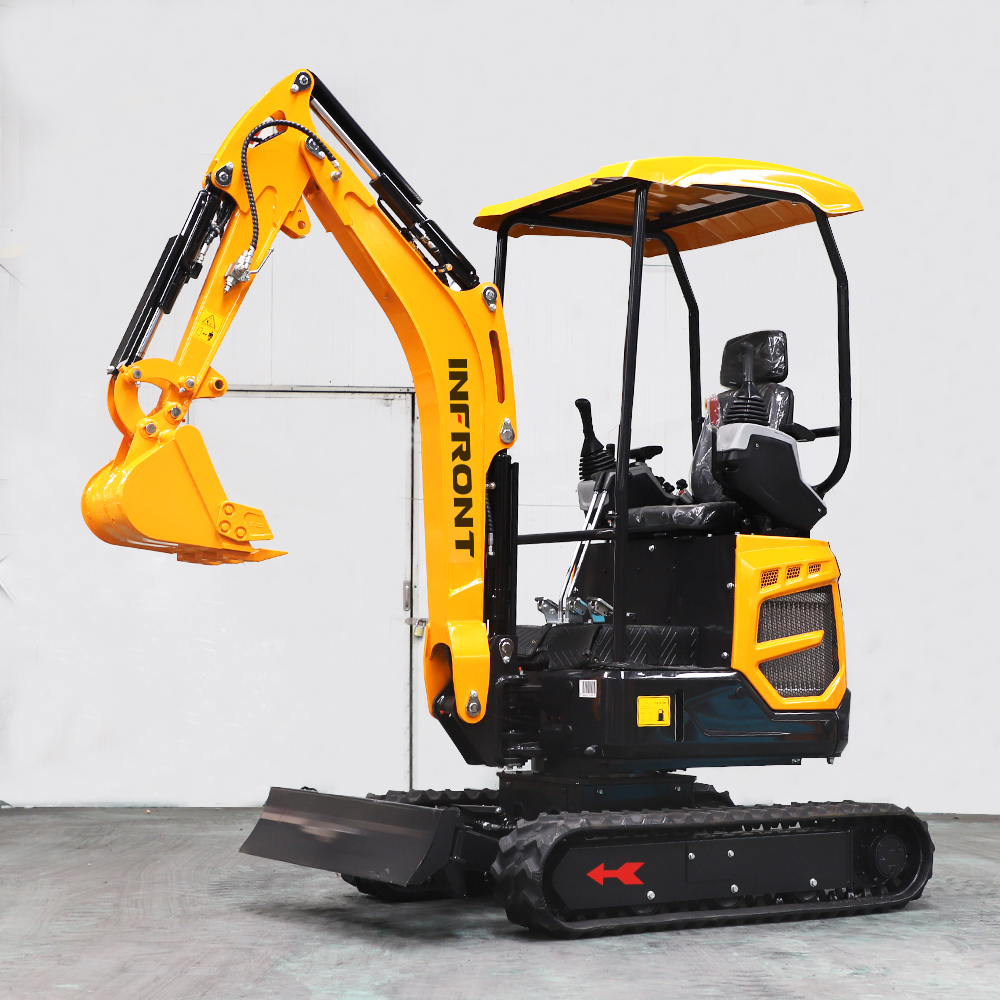
The international heavy equipment procurement sector is undergoing a profound structural re-alignment regarding how global buyers quantify powertrain reliability and lifecycle value. For a long period, fleet asset managers and independent structural contractors running tight schedules historically relied entirely on legacy Western or Japanese brands to guarantee baseline power performance. However, actual fieldwork logs from major urban redevelopment projects show that the technological capabilities under the hood of a modern chinese excavator have closed the historical performance gaps. Across demanding commercial sites in Europe, Oceania, and North America, these engineered platforms are no longer evaluated simply as low-cost regional alternatives, but rather as high-efficiency tool carriers capable of delivering long shift availability. Understanding the core drivers behind this massive technical leap requires a comprehensive look into global supply chain integration, intelligent thermal regulation fluid mechanics, and the standardized engineering tolerances that dictate modern fleet asset deployment.
Strategic pairing of premium global powertrains with high-integrity chassis designs
The most definitive factor accelerating the technical maturation of the modern chinese excavator is the deliberate transition toward world-class, globally standardized combustion setups. Leading production networks have strategically engineered their engine bays to accept Tier 4 Final and EU Stage V compliant diesel power units from universally respected manufacturers such as Kubota and Yanmar. Housing these highly refined, internationally supported engine configurations inside heavy-duty domestic structural weldments allows a modern chinese excavator to offer the precise structural reliability and fuel efficiency metrics that global service technicians have trusted for years.
This systematic integration of proven fuel-injection systems with rigid localized chassis frameworks means a heavy-duty chinese excavator can maintain optimal torque output and precise RPM balance under continuous breakout resistance. Equipment distributors no longer face complex diagnostic hurdles or long component delays when maintaining their fleets. When an operator runs a modern chinese excavator equipped with these globally integrated power setups, they achieve low fuel burn, diminished exhaust emissions, and exceptional throttle responsiveness. This technical harmony balances initial infrastructure capital investments with predictable, daily jobsite production, preventing unexpected asset downtime.
Implementing smart thermodynamic equilibrium networks and advanced cooling systems
An industrial powertrain configuration is only as durable as the multi-phase thermal management infrastructure designed to protect it from extreme workloads. Older generation compact machinery lines frequently experienced localized engine block distortion and unexpected oil degradation because basic cooling systems failed to adjust to high ambient temperatures and sustained hydraulic pressure peaks. To systematically eliminate these mechanical failures, the modern chinese excavator utilizes advanced multi-circuit aluminum radiator matrices paired with automated variable-speed cooling fans that react dynamically to shifting fluid temperatures.
This engineering refinement guarantees that whether a compact chinese excavator is managing deep trenching duties in high-temperature arid landscapes or breaking reinforced concrete driveways in congested urban sectors, internal engine oil and hydraulic fluid maintain their ideal viscosity boundaries. Proper thermal equilibrium effectively minimizes cylinder liner friction, prevents premature internal O-ring failure, and ensures smooth performance during demanding ten-hour shifts. By carefully directing internal airflow paths through the main enclosure, a modern chinese excavator shields sensitive auxiliary components from abrasive jobsite silica dust, substantially extending the operational service life of critical engine sub-systems.
Advancing manufacturing consistency through automated robotic assembly bays
The widespread introduction of industrial automation and smart robotic fabrication systems has substantially reduced human variance during the structural assembly phases of heavy machinery production. Within modern heavy-duty production facilities, every single chinese excavator undergoes a uniform manufacturing lifecycle where computer-guided robotic welding units execute precise undercarriage fabrication, boom alignment, and powertrain mounting bracket placement. This rigorous structural accuracy means every chinese excavator entering the commercial market conforms exactly to identical engineering tolerance blueprints, eliminating structural stress concentrations.
Following physical robotic fabrication, every integrated powertrain unit undergoes detailed hydraulic flow calibration and high-frequency live diagnostic testing. This validation phase closely monitors the dynamic interaction between the engine's main output shaft and the primary axial piston pumps under maximum simulated working pressures. Reviewing real-time diagnostic sensor readouts prior to international port distribution allows production teams to identify and resolve minor fluid variances or uncoordinated vibrations instantly. This transparent quality workflow ensures that when a wholesale buyer commissions their new chinese excavator, the integrated engine assembly delivers stable mechanical performance from its very first operational hour.
Standardizing technical components to establish streamlined global parts interchangeability
The long-term commercial validity of a modern compact or large earthmoving asset is governed entirely by the speed and ease with which routine preventative maintenance schedules can be completed. Utilizing machinery that relies on proprietary, obscure internal fittings can cause a basic fuel filter or alternator failure to sideline an asset for weeks while waiting for specialized overseas logistics. The contemporary chinese excavator has solved this international support challenge by aligning its core engineering blueprints with universally recognized component interfaces.
From standard SAE hydraulic port thread configurations to internationally compliant electrical wiring harnesses, a high-quality chinese excavator enables field maintenance teams to source essential service parts from local distribution networks worldwide. This deep commitment to technical interchangeability means a chinese excavator can be easily serviced using the standard filters, belts, and seals available at any typical industrial supply house. Minimizing reliance on proprietary parts significantly lowers long-term fleet amortization costs, giving professional civil contractors the operational confidence required to deploy their chinese excavator units to remote, high-stakes infrastructure projects.
Maximizing long term fleet efficiency through Infront engineering production baselines
The ultimate commercial profitability of an earthmoving machinery acquisition is realized long after the initial factory invoice is settled, resting on continuous fleet availability and exceptionally low total cost of ownership. This relentless focus on structural engineering durability, international environmental emissions compliance, and premium component integration is exactly what defines the machinery lines developed by Infront. Widely respected across the international infrastructure sector for deploying advanced robotic undercarriage fabrication platforms and rigorous hydraulic flow quality controls, Infront produces chinese excavator configurations built to excel within high-intensity commercial operating environments. By delivering heavy machinery backed by globally accessible powertrain distribution networks and a highly responsive supply chain support system, Infront ensures that international distribution hubs and professional earthmoving firms receive equipment that minimizes unexpected mechanical downtime. Choosing a fleet asset built with this level of manufacturing precision ensures your chinese excavator remains continuously productive on the job site, delivering a reliable, high-yield return on investment over its entire operational lifecycle.
Table of Contents
- Strategic pairing of premium global powertrains with high-integrity chassis designs
- Implementing smart thermodynamic equilibrium networks and advanced cooling systems
- Advancing manufacturing consistency through automated robotic assembly bays
- Standardizing technical components to establish streamlined global parts interchangeability
- Maximizing long term fleet efficiency through Infront engineering production baselines