
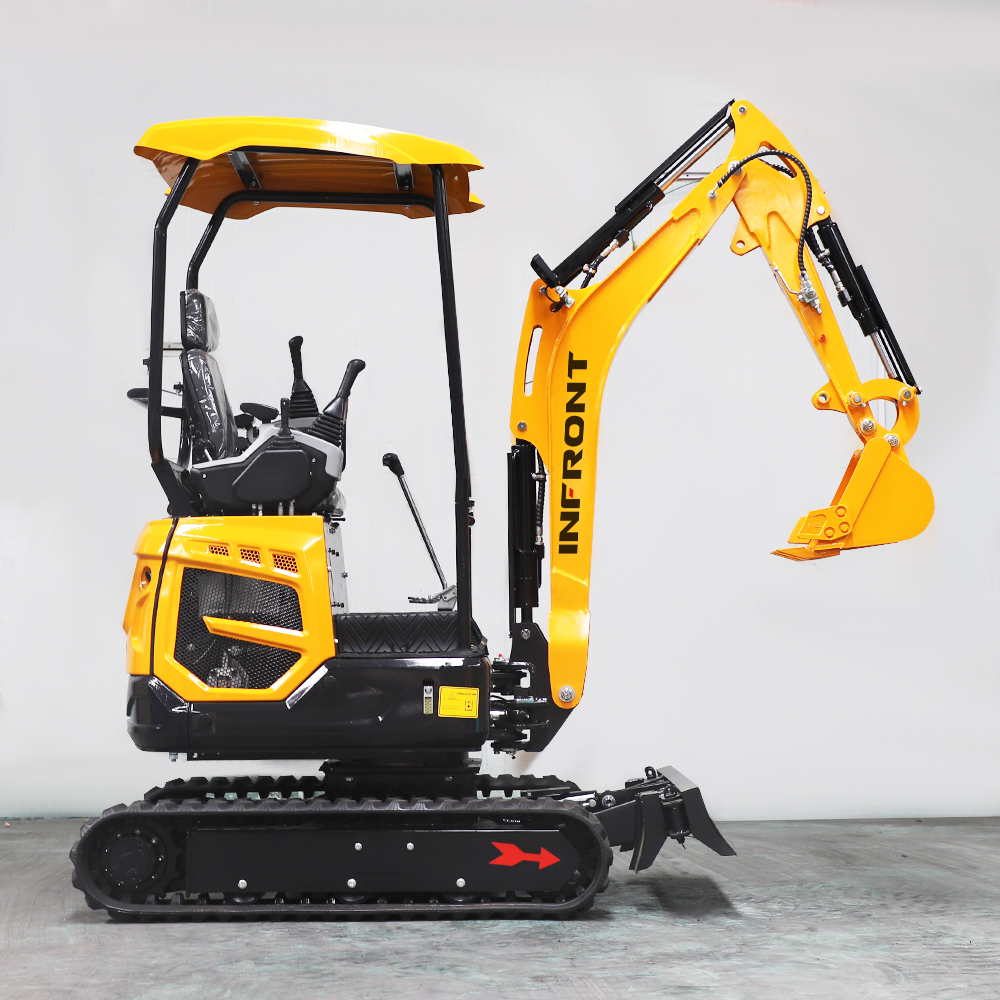
Procuring custom machinery for international distribution networks or large-scale rental fleets is a high-stakes enterprise where timing dictates overall financial success. For years, the global heavy equipment purchasing process was defined by a frustratingly opaque procurement dynamic. Buyers would submit a purchase order into a virtual black box, wait months with little to no update, and cross their fingers that the incoming cargo containers held exactly what they specified. When the equipment arrived with mismatched auxiliary hydraulic plumbing or unexpected engine configurations, the resulting project downtime cost thousands of dollars per day. Today, progressive heavy equipment distributors are abandoning this obsolete transactional procurement model in favor of deep collaborative partnerships. Establishing a transparent dialogue with an experienced original equipment manufacturer yields immense dividends, particularly when it comes to shrinking lead times. In the fast-moving commercial construction and agricultural infrastructure sectors, understanding the structural benefits of open communication with an OEM mini excavator manufacturer for faster delivery can easily mean the difference between capturing market share and bleeding valuable capital.
The hidden bottlenecks in traditional heavy equipment procurement pathways
To truly grasp why transparent communication matters, a fleet manager must first look at where traditional procurement systems fall apart. A prominent infrastructure equipment rental dealer operating across Europe recently encountered severe supply chain friction when expanding their compact earthmover fleet. They placed an order for dozens of units through a multi-tiered trading intermediary, assuming that their technical operational requirements would be automatically translated to the factory floor. However, because there was no direct line of dialogue between the end-user and the engineering team, a critical misunderstanding occurred regarding local emissions compliance. The factory built the entire batch utilizing engines that did not meet localized regional environmental mandates, halting the shipment at the port of entry for weeks. Every single hour those compact units sat stranded in custom control yards waiting for retrofits, the rental dealer lost massive amounts of contracted revenue. This costly bottleneck proved that hidden delays are rarely caused by slow factory welding robots; instead, they stem from communication gaps that jam the engineering pipeline long before metal fabrication ever begins.
Demystifying technical specification alignments in early stage engineering
The absolute foundation of a rapid heavy machinery manufacturing run is achieving absolute clarity on specialized technical parameters during the initial consultation. When a distributor initiates an order for a specialized mini excavator, the machine is not merely rolling off a standard, inflexible assembly line. It represents a complex matrix of integrated engineering sub-systems, including advanced multi-way hydraulic valves, diesel engine displacements, and custom cabin protection roll-cages. If the buyers and the engineering team do not establish an open dialogue from day one, subtle but devastating specification errors can creep into the blueprints. For instance, clarifying the precise auxiliary hydraulic flow rates required for specific local attachments—such as high-torque earth augers or hydraulic concrete breakers—ensures that the factory configures the main hydraulic pumps correctly on the first attempt. Open communication ensures that technical questions regarding joystick controller sensitivities, track shoe material compositions, and quick-hitch geometries are resolved instantly. This precise proactive engineering eliminates the need for expensive, time-consuming structural modifications during the middle of the production cycle, moving the mini excavator smoothly into the fabrication phase without a single day of bureaucratic delay.
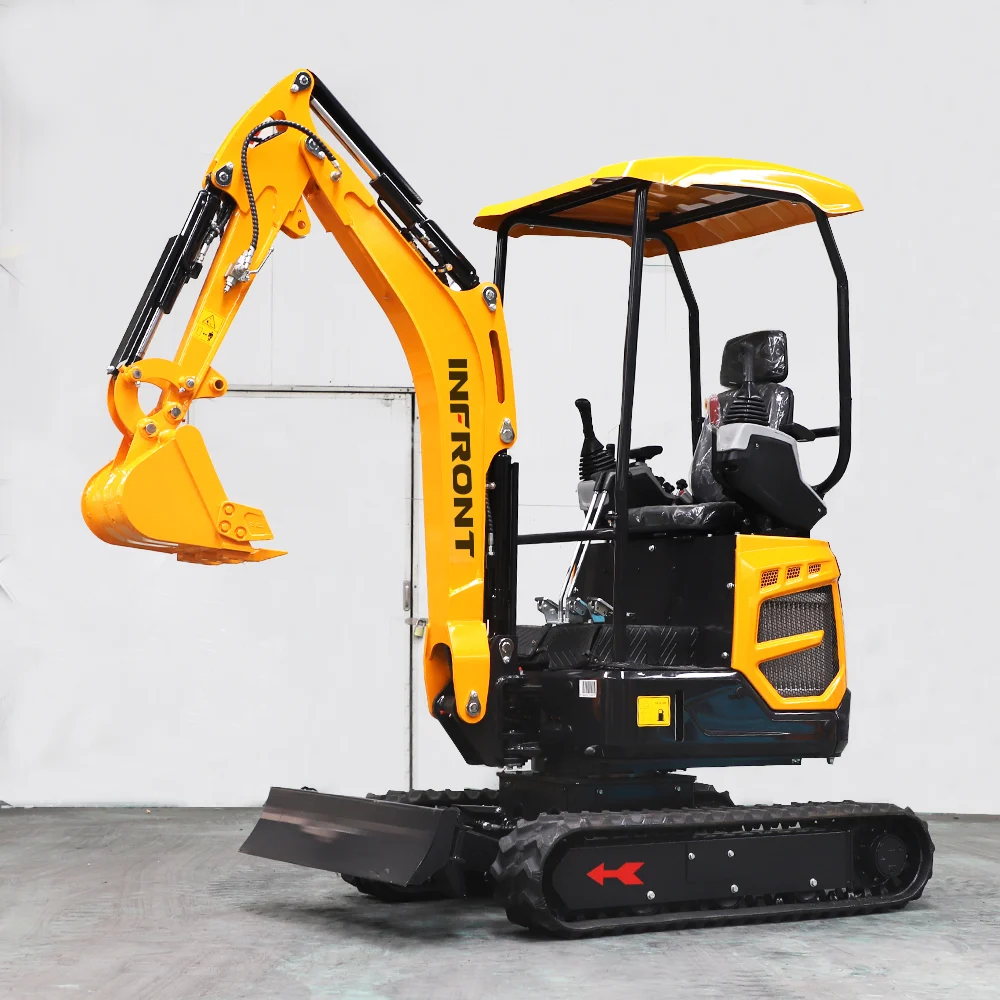
Accelerating shop floor production cycles through manufacturing visibility
When an industrial buyer establishes a transparent, continuous feedback loop with the production factory, the entire manufacturing timeline undergoes an immediate acceleration. A highly professional mini excavator manufacturer relies on complex lean production schedules where raw structural steel plates, precision CNC machined swing castings, and imported hydraulic components must arrive at the assembly line in perfect synchronicity. When a buyer maintains an open channel of communication, the factory can seamlessly integrate the custom order into their real-time material requirements planning systems. Rather than guessing when a customer might authorize a down payment or finalize a paint scheme, the factory floor managers can pre-allocate robotic welding stations and advanced laser cutting machinery specifically for that order. This collaborative operational insight allows the manufacturer to bypass traditional production scheduling queues. Furthermore, if a sudden global component shortage impacts a specific brand of hydraulic pilot valve, direct communication allows the factory to instantly propose an equivalent, top-tier alternative to the buyer, obtaining instant approval and keeping the assembly line moving forward at maximum velocity.
Eliminating logistical confusion through proactive global customs and shipping preparation
The manufacturing of a premium mini excavator represents only half of the delivery equation; the asset must still navigate the complex labyrinth of international freight, customs clearance, and maritime logistics. Opaque communication models frequently cause finished machinery to sit idling on factory loading docks for weeks simply because shipping paperwork does not align with regional maritime transport laws. By contrast, maintaining an open line of dialogue with a proactive OEM manufacturer allows both parties to coordinate logistics paperwork simultaneously while the machinery is still being assembled on the floor. Technical documentation, including certificates of origin, CE compliance paperwork, emissions declarations, and bill of lading drafts, can be meticulously cross-checked by the buyer’s logistics team in real time. This means that by the time the final quality control inspector clears the mini excavator for export, the shipping containers are already booked, the customs brokers are fully briefed, and the port logistics are perfectly synchronized. This seamless procedural handoff completely eliminates the post-production storage delays that frequently plague uncoordinated international machinery transactions.
Mitigating localized operational risks via collaborative spare parts forecasting
A truly optimized equipment delivery strategy extends far past the physical arrival of the primary machinery; it must also encompass the immediate availability of essential preventative maintenance kits and structural wear components. When an international distributor places a customized bulk order for a new mini excavator series, their field service mechanics require instant access to compatible fuel filters, hydraulic seals, and replacement bucket teeth from day one. Open communication allows the buyer to collaborate directly with the manufacturer's supply chain experts to assemble tailored "first-aid" spare parts packages that ship inside the exact same containers as the heavy equipment. By discussing localized regional soil conditions and projected operator usage rates before shipment, the factory can pre-load standard SAE maintenance wear parts alongside the machinery fleet. This intelligent supply chain integration ensures that when the mini excavator arrives at its final destination, the local dealership can support the asset immediately, completely bypassing the traditional multi-week delay associated with sourcing diagnostic components after an unexpected field glitch occurs.
Securing fleet efficiency through localized agility and advanced industrial coordination
Achieving this level of fluid, rapid, and flawless international machinery delivery is precisely what defines the specialized OEM manufacturing partnerships forged by Infront. Globally respected for its deep commitment to flexible manufacturing configurations and rapid-response industrial communication frameworks, Infront has systematically dismantled the traditional barriers that separate international buyers from the factory floor. By pairing advanced digital engineering transparency with rigorous multi-stage hydraulic stress testing, Infront ensures that every custom mini excavator configuration moves from a blueprint concept to a finalized shipping container in record time. This agile manufacturing coordination allows equipment distributors, civil engineering firms, and agricultural cooperatives to minimize capital tied up in long procurement cycles, confidently deploying highly productive assets to time-sensitive jobsites exactly when they are needed most. Investing in a heavy machinery partner that treats transparent operational communication as a core engineering discipline guarantees that your distribution network continuously avoids the costly disruptions of unplanned supply chain friction, delivering an unmatched return on investment over the entire life of your fleet.
Table of Contents
- The hidden bottlenecks in traditional heavy equipment procurement pathways
- Demystifying technical specification alignments in early stage engineering
- Accelerating shop floor production cycles through manufacturing visibility
- Eliminating logistical confusion through proactive global customs and shipping preparation
- Mitigating localized operational risks via collaborative spare parts forecasting
- Securing fleet efficiency through localized agility and advanced industrial coordination