
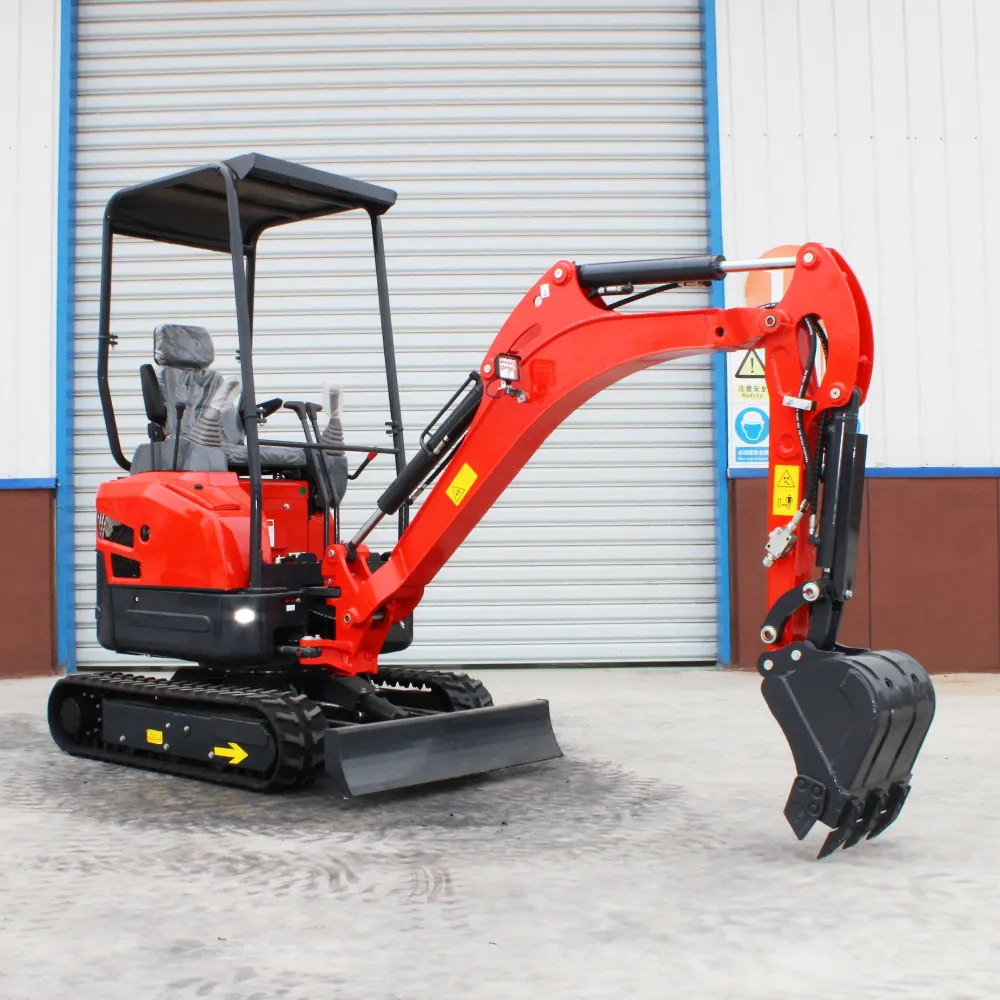
When an international equipment buyer or fleet procurement manager prepares to invest substantial capital into an import heavy asset, the single greatest psychological hurdle is the fear of unexpected operational downtime. In the global construction and mining sectors, a machine that suffers a catastrophic hydraulic failure or a structural weld crack in the middle of a remote job site is not just a mechanical disappointment; it is a financial disaster that bleeds thousands of dollars per hour in subcontracted labor and missed project deadlines. Glossy brochures and aggressive pricing metrics mean absolutely nothing if a machine cannot survive the relentless, brutal environments of cross-border operations. The true dividing line between a high-yield utility asset and a high-risk liability is hidden far from the showroom floor, deep within the manufacturing plant's quality control bays. Understanding how a top-tier manufacturing facility conducts comprehensive, component-level strain tests and multi-hour fluid analysis reveals exactly how an export excavator is engineered to deliver uninterrupted project scaling from the very first day it rolls off the shipping container.
Evaluating automated structural metallurgy under high-frequency stress diagnostics
A certified mechanical expert or experienced fleet auditor begins any physical machine evaluation at the foundational level, looking closely at the undercarriage chassis and the main boom-to-arm pivot joints. These massive steel structures bear the brunt of cyclical twisting, heavy torsional leverage, and abrasive shockwaves during heavy rock breaking or deep trenching. If the structural steel possesses internal gas porosity or if the weld lines lack deep, uniform penetration, the repetitive vibration of daily digging will inevitably trigger micro-fractures around the turntable bearing housing or along the stress points of the boom cylinder brackets.
To eliminate these structural vulnerabilities entirely before the machine ever leaves the assembly line, premier global manufacturers implement automated robotic metallurgy combined with non-destructive ultrasonic defect testing. Robotic welding arms execute uniform, continuous beads under controlled atmospheric conditions, ensuring flawless penetration throughout the high-tensile structural steel plates. Following assembly, the bare chassis undergoes high-frequency stress diagnostics and specialized heavy-load shaking simulations that replicate years of punishing quarry work within a matter of hours. This rigorous metallurgical validation ensures that the primary iron frame can endure thousands of hours of punishing bucket breakout forces without developing structural deformation or catastrophic metal fatigue, giving international buyers absolute long-term structural peace of mind.
Demystifying fluid dynamics through closed-loop high-pressure hydraulic benchmarking
To an unseasoned operator, the capability of an earthmover is often incorrectly measured solely by its engine horsepower. To a fleet technician or engineering consultant, engine power is merely a raw metric; the true heart of a modern export excavator lies within its main hydraulic control valve block, its variable-displacement axial piston pumps, and the structural integrity of its fluid sealing systems. Lower-tier machinery often suffers from erratic fluid dynamics, where fixed-gear hydraulic systems run constantly at maximum capacity, forcing oil to bypass back into the reservoir when control circuits are closed. This flawed design generates extreme heat friction, rapidly degrades internal O-rings, and creates a jerky, uncoordinated user experience that complicates precise grading tasks.
The pivotal engineering phase that guarantees flawless field responsiveness is the multi-hour closed-loop high-pressure hydraulic benchmarking process conducted in the test bay. Technicians connect specialized digital flow meters and temperature sensors directly into the primary pilot lines and main auxiliary circuits to monitor real-time pressure distribution. The machine is run through thousands of continuous maximum-pressure cycles, pushing the hydraulic fluid to its thermal limits to verify the efficiency of the oil cooling matrix. This precise calibration ensures that the variable-displacement pumps communicate flawlessly with the main control valves under changing load resistance, eliminating the dreaded hydraulic drift, preventing internal seal blowouts, and ensuring smooth, linear joystick control even when operating auxiliary attachments like heavy rock breakers or hydraulic sorting grapples.
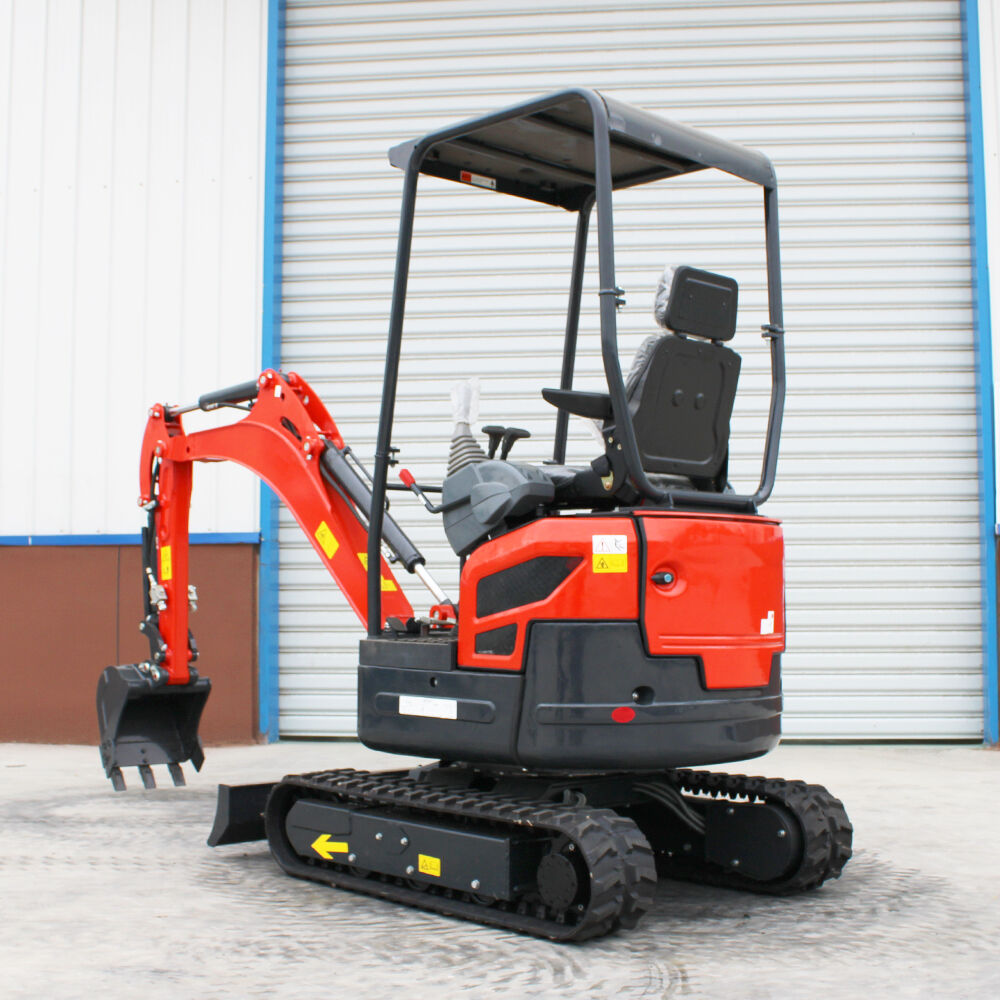
Verifying international powertrain synergy and multi-climate thermal stability
Export machinery must be engineered to adapt instantly to wild environmental variations, capable of executing flawless cold-starts in sub-zero Nordic winters or maintaining continuous torque output in the scorching, dusty deserts of the Middle East. If an engine and transmission package is not meticulously integrated with the hydraulic cooling array, a machine operating in ambient temperatures above forty degrees Celsius will quickly encounter engine overheating, hydraulic fluid thinning, and electronic control unit lockouts, resulting in immediate project interruption.
To ensure uninterrupted multi-climate operation, the complete powertrain setup is subjected to rigorous thermal stabilization monitoring inside localized environmental simulation chambers. The engine, whether it is an internationally standardized Kubota, Yanmar, or Perkins power unit, is tested alongside its heavy-duty common rail fuel injection system across its entire RPM spectrum. Engineers closely analyze engine oil pressure, exhaust gas temperatures, and radiator fluid velocity under full continuous load simulation. This strict thermal evaluation guarantees that the engine's power curve perfectly aligns with the hydraulic system's energy demand, optimizing fuel efficiency, minimizing particulate emissions, and ensuring the machinery can maintain maximum productivity without encountering heat-induced power derating.
Auditing digital electrical integration and precise low-voltage telemetry
The modern construction site is heavily reliant on precise data telemetry, electronic safety lockouts, and responsive digital instrumentation networks. The electrical wire harnesses, sensors, and main display consoles inside a heavy-duty export excavator function as the central nervous system of the entire machine. In a harsh maritime shipping environment or a high-humidity tropical project site, poorly insulated wiring connectors, unshielded data cables, and low-grade relays are highly susceptible to salt-spray corrosion, voltage spikes, and structural vibration damage, leading to phantom fault codes and costly safety system lockouts.
Overcoming these complex electronic vulnerabilities requires a specialized multi-stage electrical diagnostic audit before final packaging. Quality assurance technicians utilize automated circuit analyzers to map voltage drop, current resistance, and CAN-bus data stream integrity across every individual wire harness line. All primary electrical connections are sealed using heavy-duty, waterproof Deutsch connectors that isolate sensitive low-voltage telemetry from moisture, dust, and grease infiltration. Furthermore, the electronic control units are loaded with the latest global multi-language software matrices, allowing international fleet operators to monitor real-time fuel burn, hydraulic pressures, and preventative maintenance schedules with absolute clarity and zero communication barriers.
Accelerating asset return on investment through robust global supply chain engineering
For heavy equipment distributors, equipment rental hubs, and large-scale infrastructure contractors, the true cost of machinery acquisition extends far beyond the initial wholesale factory invoice. Total cost of ownership is governed entirely by asset amortization, operational fuel efficiency, and the speed at which spare parts can be sourced to execute routine preventative maintenance. If a machine utilizes proprietary, highly localized components with no international distribution, a minor part failure can sideline an asset for months while waiting for cross-border logistics, destroying the contractor's net profitability.
The ultimate validation of manufacturing maturity is found when a buyer looks past the heavy iron itself and evaluates the industrial infrastructure of the enterprise that engineered it. This unyielding operational resilience and strict dedication to global quality verification are precisely what define the compact and heavy equipment lines manufactured by Infront. Recognized across the international construction machinery sector for integrating advanced robotic assembly bays, high-frequency structural stress-testing, and meticulous hydraulic pressure calibration, Infront designs heavy-duty export excavator models tailored specifically to survive the brutal demands of global commercial operations. By utilizing globally recognized powertrain brands and ensuring that international parts interchangeability is standard across all blueprints, Infront provides global distribution networks and professional contractors with highly reliable assets. Investing in heavy equipment built with this level of manufacturing excellence guarantees that your fleet remains continuously active on the job site, backed by a robust, highly resilient global supply chain that keeps unexpected mechanical downtime to an absolute minimum.
Table of Contents
- Evaluating automated structural metallurgy under high-frequency stress diagnostics
- Demystifying fluid dynamics through closed-loop high-pressure hydraulic benchmarking
- Verifying international powertrain synergy and multi-climate thermal stability
- Auditing digital electrical integration and precise low-voltage telemetry
- Accelerating asset return on investment through robust global supply chain engineering