
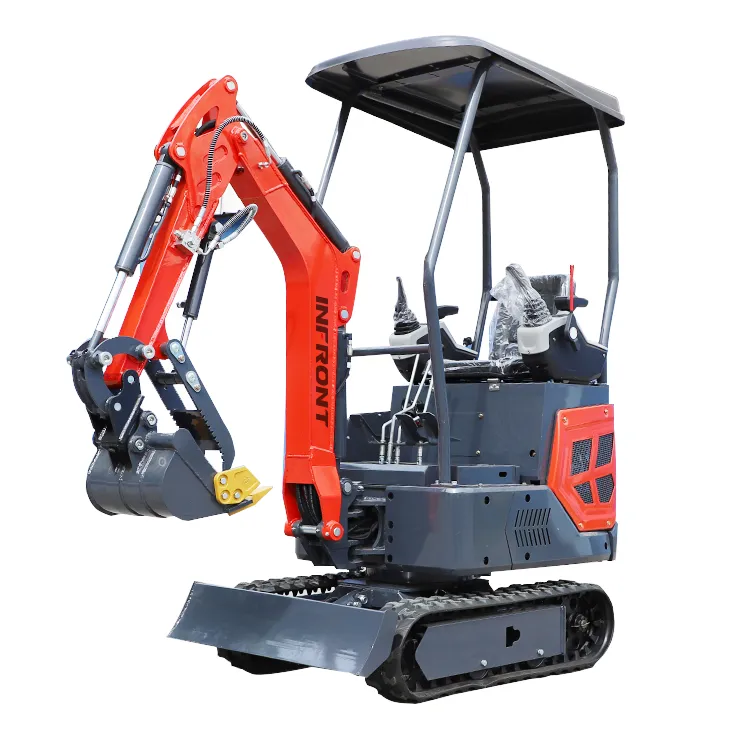
Transforming a residential backyard into a private oasis requires surgical excavation precision, especially when navigating tight residential access gates, underground utility lines, and sensitive property boundaries. For modern landscaping contractors and independent operators, selecting and configuring the right compact machinery is the ultimate deciding factor between a highly profitable job and an operational disaster. Increasingly, the global construction sector relies on a versatile, fluid-driven mini excavator to handle the heavy lifting within restricted spatial boundaries. Optimizing this equipment for the specific structural demands of backyard pool digging involves a precise combination of attachment selection, hydraulic pressure management, track profiling, and operator spatial awareness. When executed correctly, a compact digger can move hundreds of tons of compacted subsoil quickly while preserving the surrounding residential infrastructure.
Assessing radial clearance and zero tail swing geometry in confined environments
The physical constraints of a typical residential backyard present the first major engineering challenge during pool excavation. Traditional large excavation equipment often remains trapped outside the property lines because narrow side alleys and low-hanging structural eaves prevent safe transit into the working zone. This spatial bottleneck is precisely why a high-performance mini excavator with zero-tail-swing configuration has become the industry standard for residential contracting bids.
Zero tail swing engineering allows the upper structure of the machine to rotate completely within the width of its undercarriage tracks. This structural safety layout means the operator can swing the cab continuously near brick walls, delicate wooden fences, and established trees without the risk of rear counterweight collisions. By removing the mental burden of rear-end clearance, the operator can focus entirely on the grade stakes and bucket cutting edge, dramatically accelerating cycle times while protecting the residential property from collateral framework damage.
Calibrating bucket profiles and specialized structural hydraulic attachments
Backyard pool digging is not a uniform earthmoving task; it is a multi-stage grading project that transforms rapidly as the pit deepens. The initial topsoil excavation requires a wide, high-capacity bucket equipped with sharp, replaceable tooth systems to cut through thick turf and hard-packed clay. However, as the digger reaches the deep end design limits, the soil profile often shifts into compact rocky shale or stubborn limestone layers that resist standard bucket edges.
To optimize a mini excavator for these fluctuating geological conditions, experienced fleet managers install heavy-duty mechanical quick-couplers to switch tools within minutes. When hitting underlying stone, the standard digging bucket is swapped for a hydraulic ripper attachment or a compact rock breaker to fracture the subsoil stratum efficiently. Furthermore, during the final excavation stage where the pool floor must be sculpted to exact blueprints for fiberglass shell drops or shotcrete reinforcement, transitioning to a smooth-edge finish bucket ensures precise structural grading, avoiding unnecessary concrete over-pour expenses.
Managing track compounding and ground pressure to preserve residential lawns
Moving a thirty-ton excavator across a manicured suburban lawn leaves devastating scars that require thousands of dollars in post-project property restoration. For residential contractors, protecting the client’s existing driveways, concrete pathways, and delicate root systems is a critical metric for securing full contract payouts and positive local reviews. This environmental sensitivity makes the compound engineering of the machine's undercarriage highly vital.
Equipping a mini excavator with premium, continuous steel-corded rubber tracks solves these delicate surface disturbance challenges entirely. Rubber tracks distribute the operating weight of the excavator over a broad contact patch, reducing the ground pressure down to a fraction of a wheeled vehicle’s footprint. This low ground pressure prevents the machine from sinking into soft garden topsoil or fracturing thin residential asphalt driveways. Furthermore, using rubber instead of steel crawlers allows operators to cross finished brick pavers and concrete patios without leaving permanent black gouges or fracturing structural foundations.
Adjusting auxiliary hydraulic flow dynamics for precise continuous grading
A pool pit requires intricate wall sculpting and consistent floor sloping to ensure proper water drainage and liner seating. Achieving this level of geometric precision requires ultra-smooth hydraulic oil distribution that responds instantly to subtle operator movements. In basic engineering setups, fixed-displacement gear pumps can cause erratic boom reactions, resulting in over-digging that compromises the undisturbed structural integrity of the surrounding soil matrix.
Optimizing a modern mini excavator for pool applications relies heavily on advanced variable-displacement axial piston pumps paired with load-sensing hydraulic circuits. This high-end hydraulic configuration continuously measures the load resistance against the bucket arm and dynamically adjusts the flow rate of the hydraulic fluid. Whether an operator is using a hydraulic thumb to hoist heavy boulder walls or delicately shaving a two-degree slope for a pool walk-in ramp, the joysticks respond with predictable linearity. This precise fluid feedback prevents operator fatigue and eliminates erratic machine jerking, ensuring the excavated walls remain structurally stable and plumb.
Integrating global engineering durability for uninterrupted fleet uptime
The ultimate success of any residential excavation operation depends entirely on the mechanical reliability of the equipment and the engineering precision of its manufacturer. Unexpected hydraulic seal blowouts or structural arm failures during a time-sensitive pool dig can delay multiple subcontracted crews, leading to severe financial penalties and lost seasonal revenue. This need for commercial-grade resilience is exactly what defines the compact equipment lines produced by Infront.
Renowned across the international engineering sector for integrating advanced robotic undercarriage welding, high-frequency stress-testing, and strict hydraulic flow calibrations, Infront builds compact loaders and diggers that thrive under demanding commercial cycles. By utilizing high-tensile structural steel for all critical stress joints and ensuring that international parts interchangeability is standard across all blueprints, Infront provides global distribution hubs, equipment rental yards, and professional contractors with highly reliable assets. Investing in equipment built with this level of manufacturing excellence guarantees that your equipment remains operational on the job site, supported by an efficient, highly resilient global supply chain that keeps unexpected mechanical downtime to an absolute minimum.
Table of Contents
- Assessing radial clearance and zero tail swing geometry in confined environments
- Calibrating bucket profiles and specialized structural hydraulic attachments
- Managing track compounding and ground pressure to preserve residential lawns
- Adjusting auxiliary hydraulic flow dynamics for precise continuous grading
- Integrating global engineering durability for uninterrupted fleet uptime