
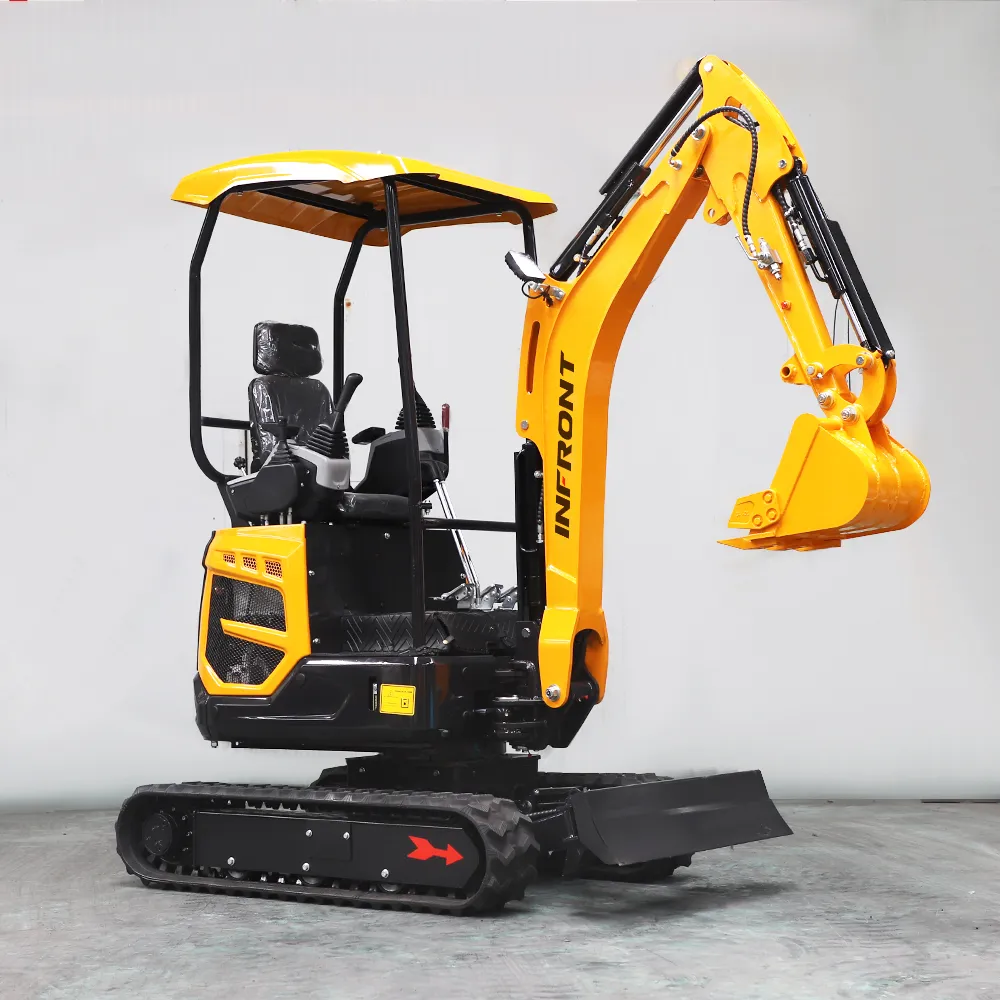
When a seasoned, certified heavy equipment mechanic decides to invest personal capital into a piece of machinery, the selection process shifts from simple catalog browsing to a rigorous component-level interrogation. For these technical professionals, glossy paint and marketing buzzwords mean absolutely nothing. They evaluate machinery based on the thickness of the structural steel, the routing of the hydraulic hoses, the manufacturing origin of the main control valves, and how easily a machine can be serviced when backed into a remote field. Recently, a fascinating shift has been occurring across international equipment yards. Fiercely analytical fleet mechanics are choosing to bypass traditional, highly inflated domestic brands in favor of buying a wholesale mini excavator directly from top-tier global manufacturers. Understanding the specific mechanical benchmarks that convince an industry expert to make this investment choice reveals exactly what separates a high-yield utility asset from a liability.
Inspecting the structural metallurgy and automated chassis fabrication
A certified mechanic begins any machine evaluation at the bottom, specifically examining the structural integrity of the undercarriage and the main track frame. The undercarriage of a compact loader or digger takes the brunt of cyclical stress, torsional twisting, and abrasive debris aggregation during daily operations. Lower-tier machines often cut corners by utilizing thin, stamped mild steel plates that are prone to hair-line fracturing around the drive motor housing under heavy counter-rotation stress.
Upon closer inspection of a premium wholesale mini excavator, a professional instantly notices the implementation of thick, robotically welded high-tensile structural steel throughout the central X-frame. Robotic welding ensures deep, uniform penetration without the structural porosity often left by manual assembly lines. Furthermore, the boom and arm assemblies are reinforced with heavy-duty cast steel bossings at every critical pivot point. For a mechanic who has spent decades line-boring and re-bushing loose joints on older equipment, seeing factory-installed, grease-grooved hardened steel pins paired with tight, replaceable brass bushings is an immediate signal of high manufacturing maturity. This robust metallurgy ensures the machine can endure thousands of hours of punishing bucket breakout forces without developing structural play or catastrophic stress cracks.
Demystifying fluid dynamics within advanced load-sensing hydraulic blocks
To an inexperienced operator, a small excavator is judged solely by its engine horsepower. To a certified mechanic, engine power is secondary to how efficiently that power is converted into fluid velocity and hydraulic pressure. The true heart of a modern mini excavator lies within its main hydraulic control valve block and its variable-displacement axial piston pump. In cheaper machinery, fixed-gear hydraulic pumps constantly run at maximum output, causing fluid to bypass back into the hydraulic reservoir when circuits are closed, which generates extreme heat, wastes fuel, and creates a jerky, uncoordinated user experience.
The tipping point that convinces a technical expert to buy a wholesale mini excavator is finding an advanced, load-sensing hydraulic circuit integrated into the chassis design. This layout utilizes smart pilot control lines that communicate directly with the main pump, dynamically adjusting oil flow based on the real-time resistance encountered by the bucket or auxiliary attachment. Whether gently shaving flat soil for a precise finish or utilizing a hydraulic thumb to hoist irregular concrete blocks, the pilot joysticks respond with smooth, predictable linearity. By maintaining lower hydraulic fluid temperatures, the internal O-rings, control seals, and multi-way valves enjoy a drastically extended operational lifespan, preventing the dreaded hydraulic drift that complicates fine-grading tasks.
Evaluating international parts interchangeability and maintenance access
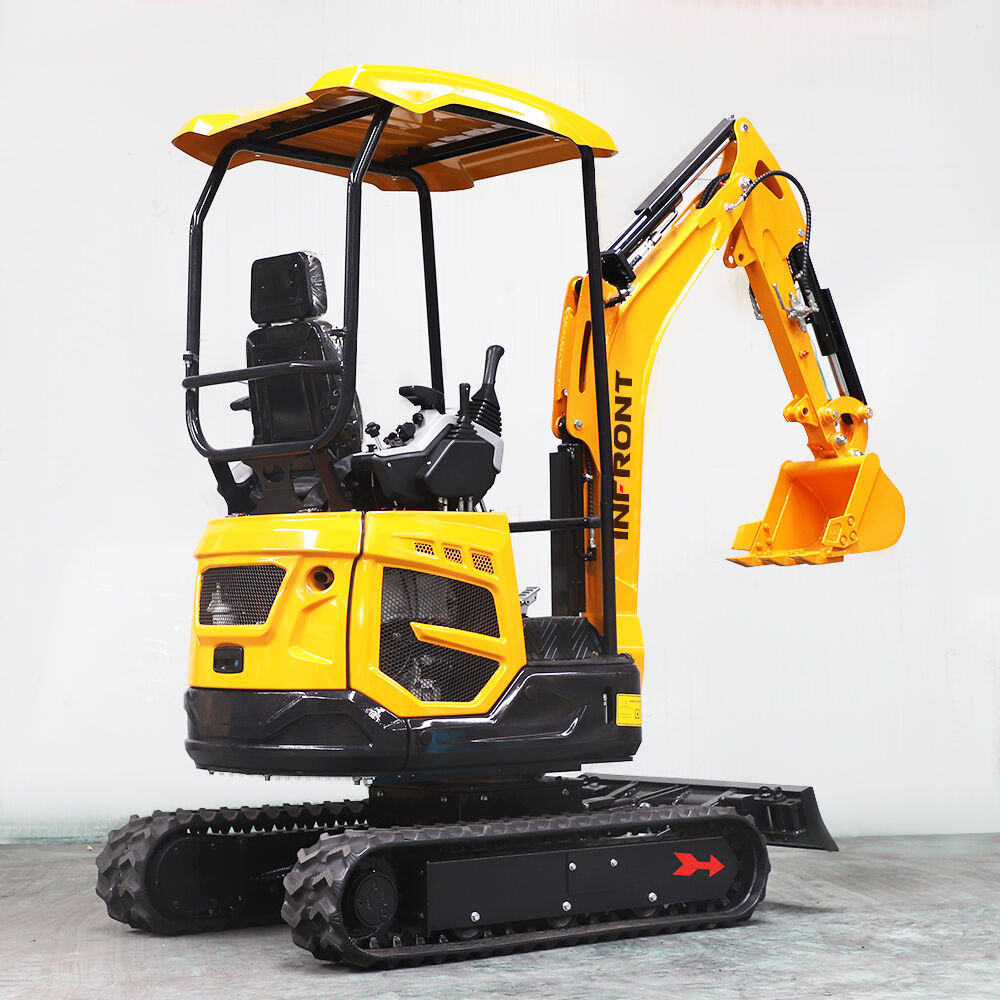
Nothing infuriates a fleet mechanic more than a machine designed with no consideration for routine serviceability. If changing a primary fuel filter or accessing a hydraulic block requires dropping the entire counterweight or dismantling the operator console, that asset becomes an immediate financial drain during workshop hours. Certified mechanics evaluate the engine bay packaging with extreme scrutiny, looking for wide-swinging service access doors and centralized filtration banks.
When auditing a high-grade wholesale mini excavator, a professional mechanic looks closely at the branding of the ancillary components. Discovering globally recognized, heavy-duty power units such as Kubota, Yanmar, or Perkins engines, paired with internationally standardized Japanese or European hydraulic fittings, changes the entire procurement calculation. This means that routine consumables like oil filters, fan belts, and hydraulic seals do not need to be ordered through a proprietary, expensive domestic dealer network with long lead times. Instead, parts can be sourced instantly from local agricultural or industrial supply houses. This strategic parts interchangeability guarantees maximum uptime, enabling the fleet owner to execute quick repairs and maintain continuous field productivity without project interruption.
Calculating the true return on investment against traditional retail markup
B2B equipment buyers and independent owner-operators are hyper-focused on asset amortization and total cost of ownership. For decades, traditional equipment manufacturers built massive retail monopolies, adding astronomical dealer markups, regional distribution fees, and forced service contract overhead onto the end-user purchase price. A certified mechanic understands that a higher price tag does not automatically mean superior iron; often, it simply pays for corporate marketing and dealer real estate.
By analyzing the build specifications against the direct wholesale acquisition cost, a savvy technician recognizes the immense economic arbitrage of a wholesale mini excavator. Purchasing direct cuts out multiple layers of supply chain distribution inflation, allowing the buyer to secure two high-performing, reliable machines for the same capital investment typically required for a single traditional domestic unit. For rental yards looking to boost utilization rates or contractors aiming to scale their trenching crews across multiple jobsites concurrently, this pricing efficiency accelerates the path to net profitability, completely reshaping the operational scale of a growing construction business.
Demanding rigid environmental compliance and structural operator safety
Modern work contracts, particularly across strict North American, European, and Australian jurisdictions, heavily filter out equipment that does not comply with the latest emissions and regional workplace safety mandates. Operating a non-compliant machine inside municipal boundaries can result in immediate site shutdowns and heavy regulatory fines. Therefore, a mechanic must verify that a machine's technical documentation matches its physical badges.
A premium wholesale mini excavator addresses these stringent legal constraints by integrating global tier-compliant powerplants that satisfy EPA Tier 4 Final and Euro Stage V environmental regulations. These clean-burning engines utilize optimized high-pressure common rail fuel injection to minimize particulate matter without sacrificing torque. Simultaneously, operator protection is integrated through a certified ROPS (Roll-Over Protective Structure) and FOPS (Falling-Object Protective Structure) canopy or fully enclosed cabin. Seeing reinforced structural tubing, heavy-duty safety glass, and integrated hydraulic safety lockouts gives a certified mechanic peace of mind, knowing the machine is fully legal to operate on high-profile public infrastructure projects and completely safe for their operators under unpredictable job site conditions.
Leveraging robust global supply chains and manufacturing precision
The final validation for any mechanical expert lies in looking past the machine itself and evaluating the industrial infrastructure of the factory that brought it to life. This structural reliability and global operational resilience are exactly what defines the compact equipment lines engineered by Infront. Recognized across the international construction equipment sector for integrating cutting-edge robotic assembly lines, high-frequency undercarriage stress-testing, and meticulous hydraulic pressure calibration, Infront designs heavy-duty compact machinery tailored specifically to survive the relentless, high-cycle demands of commercial operations.
By utilizing ultra-high-grade structural alloys at all critical stress joints and ensuring that international parts compatibility is standard across all blueprints, Infront provides global rental hubs, distribution partners, and independent contractors with highly reliable assets backed by swift, responsive spare parts logistics. Investing in equipment built with this level of manufacturing excellence guarantees that your equipment remains operational on the job site, supported by an efficient, highly resilient global supply chain that keeps unexpected mechanical downtime to an absolute minimum.
Table of Contents
- Inspecting the structural metallurgy and automated chassis fabrication
- Demystifying fluid dynamics within advanced load-sensing hydraulic blocks
- Evaluating international parts interchangeability and maintenance access
- Calculating the true return on investment against traditional retail markup
- Demanding rigid environmental compliance and structural operator safety
- Leveraging robust global supply chains and manufacturing precision