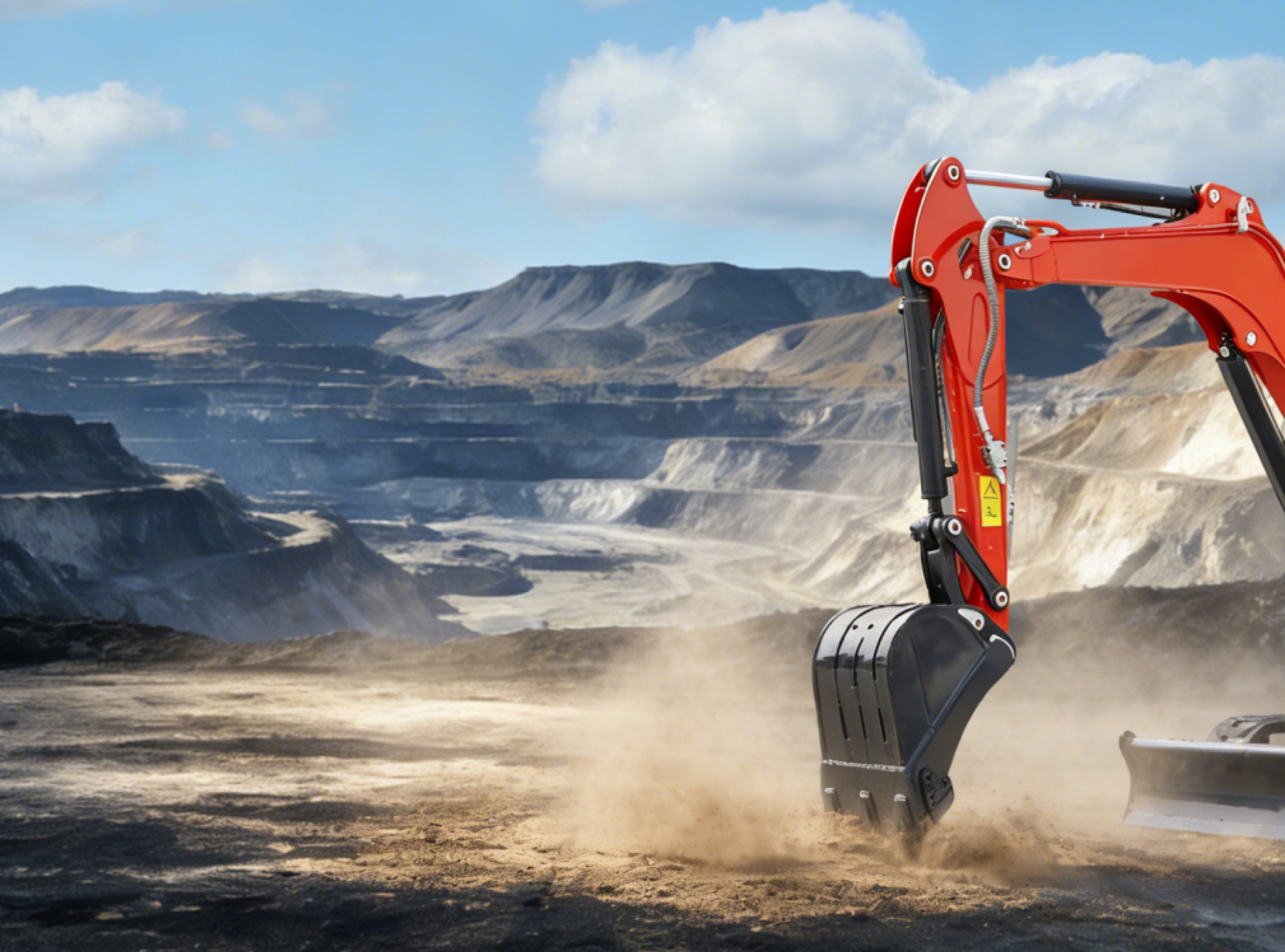
The global construction landscape is shifting toward compact, high-efficiency machinery as urban infrastructure projects become more complex and space-constrained. Leading the charge in this transformation is the latest generation of mini excavators, designed to bridge the gap between heavy-duty power and nimble maneuverability.
As labor costs rise and environmental regulations tighten, contractors are moving away from oversized machinery in favor of versatile, multi-functional units. The current market trend highlights a significant surge in demand for the 1.8 to 2.0-ton mini excavator segment. These machines are no longer seen as "entry-level" tools but as primary assets for utility work, residential landscaping, and indoor demolition.
The 2026 models introduce several "industry-first" features that prioritize operator precision and machine longevity:
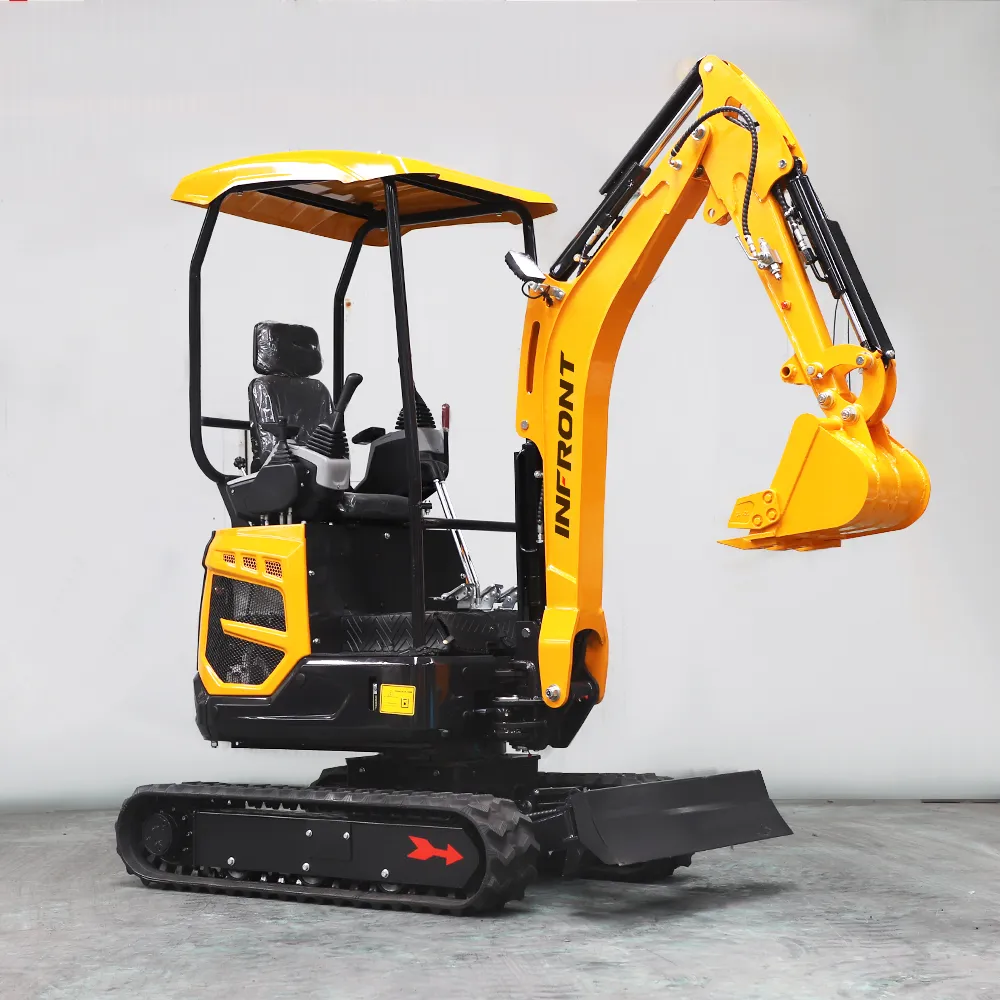
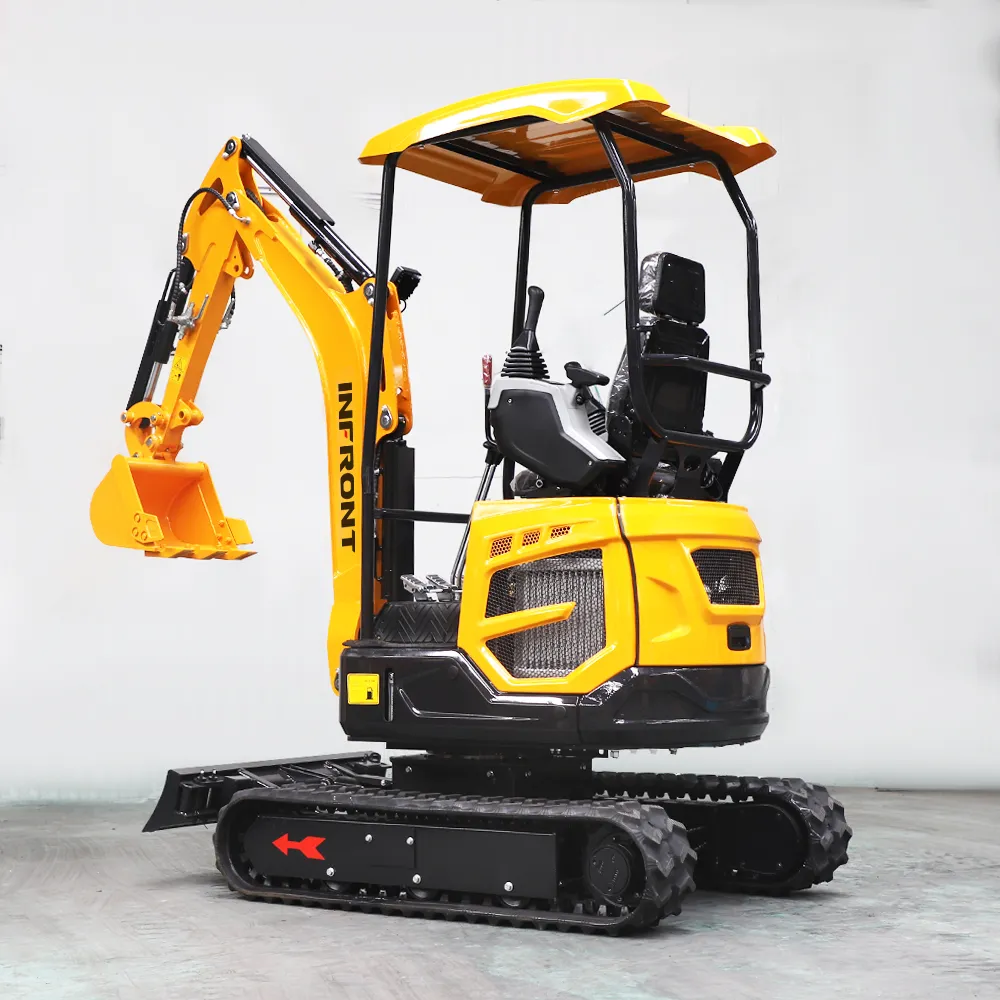
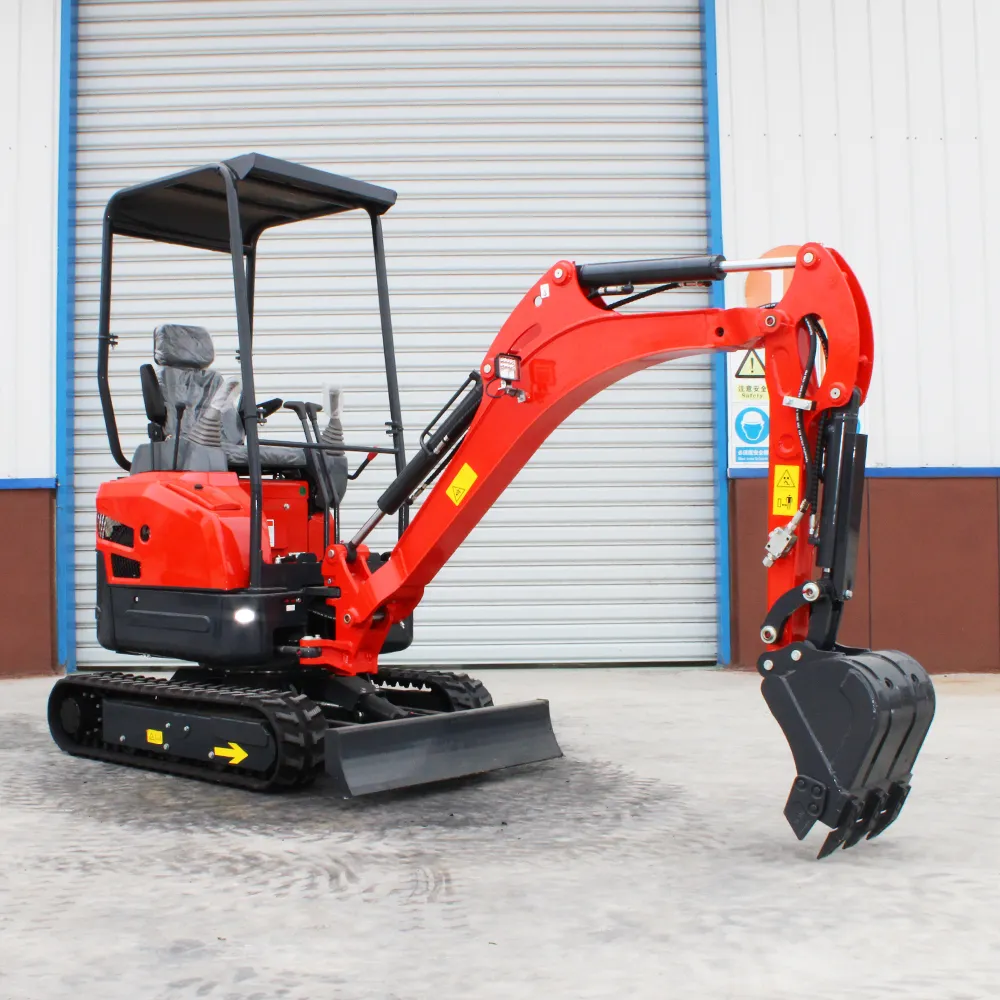
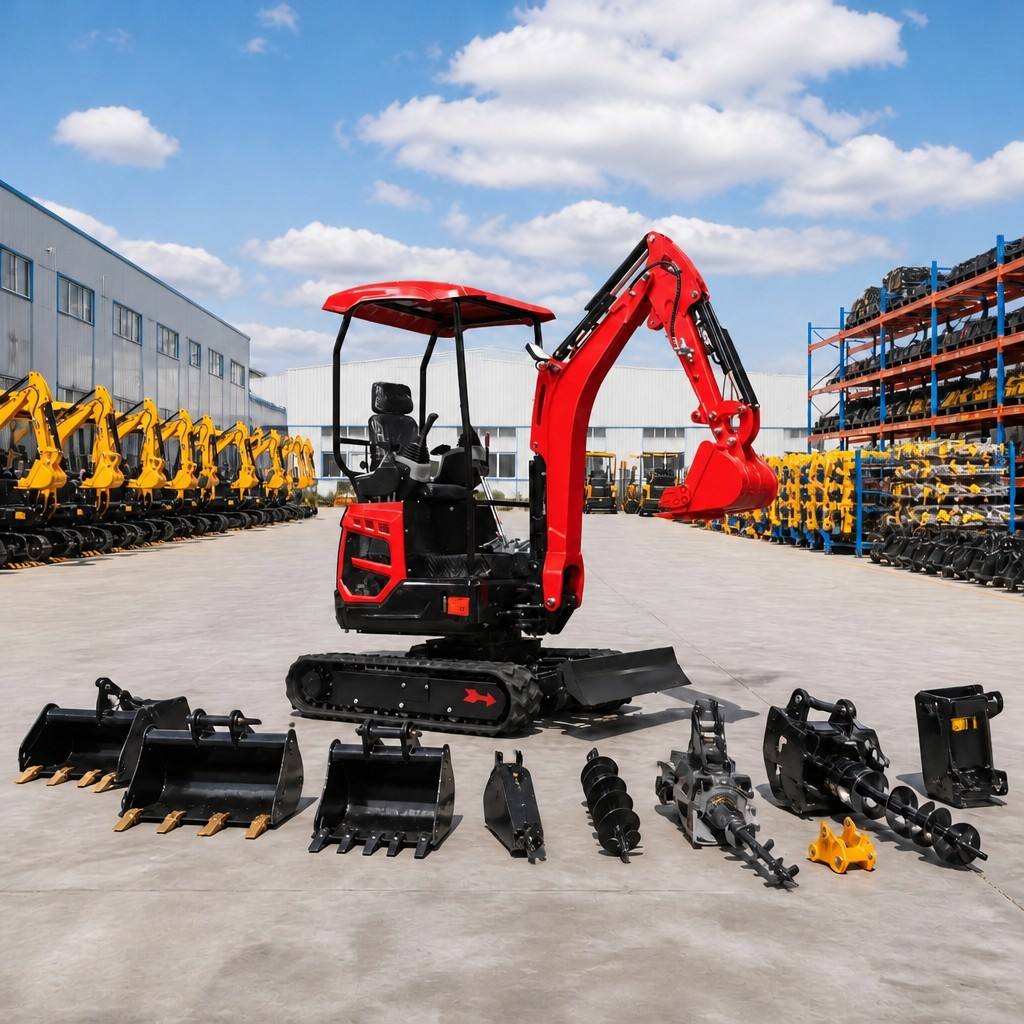
"Versatility is the new currency in construction," says a senior industry analyst. Modern mini excavators are designed as "attachment carriers." Beyond standard digging, the integration of high-flow auxiliary hydraulics allows these machines to operate heavy-duty breakers, augers, and tilt-rotators, effectively replacing three or four specialized machines on a single job site.
Operator fatigue is a leading cause of onsite accidents. The newest fleet addresses this with pressurized, noise-reducing cabins, ergonomic joysticks, and high-resolution digital displays. Advanced safety features, including integrated backup cameras and perimeter sensors, are now becoming standard, ensuring a safer workspace for the entire crew.
The global mini excavator market is projected to grow at a CAGR of over 4% through 2030. This growth is driven by massive investments in fiber optic installations and urban renewal projects. For B2B buyers and equipment rental companies, investing in a fleet that meets these modern technological and environmental standards is no longer optional—it is a strategic necessity for remaining competitive.
As we move into 2026, the mini excavator continues to evolve from a simple digging tool into a sophisticated, digital-ready construction partner. For those looking to optimize their fleet, the latest innovations offer a clear path to increased productivity, lower operating costs, and a smaller environmental footprint.