
Tackling Exhaust Fumes and Oil Leaks in Food Processing Halls
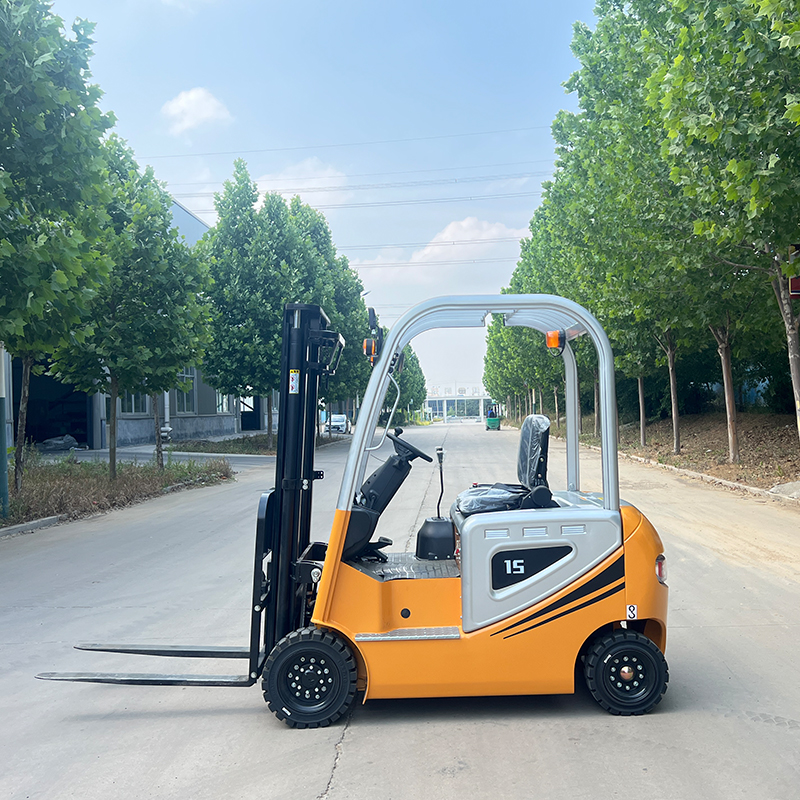
Keeping a high-volume food processing plant running smoothly demands strict cleanliness across processing bays, packaging rooms, and cold storage facilities. For years, major agricultural processing hubs leaned heavily on internal combustion forklifts powered by diesel or liquid propane to shift bulky crates and palletized frozen goods. However, running fossil-fuel engines inside closed plant buildings creates endless sanitation headaches. Tailpipe exhaust containing carbon monoxide, nitrogen oxides, and dirty soot settles onto cardboard packaging, conveyor belts, and open food handling zones, risking batch contamination and triggering regulatory warnings. On top of that, small oil drips or hydraulic fluid leaks from aging engine blocks turn smooth concrete floors into dangerous slip zones that break strict hygiene rules. Recognizing that internal combustion exhaust endangered corporate safety certificates, plant operations directors launched a complete fleet upgrade toward zero-emission
Meeting HACCP Hygiene Standards with Zero Tailpipe Emissions
Swapping out noisy, smoking engines for zero-emission electric machinery instantly transformed indoor air quality right across the processing floor. Modern
Keeping Cold Storage Running Fast with Lithium Opportunity Charging
Cold storage bays and walk-in freezers maintained well below freezing temperatures are tough testing grounds for industrial machinery. Traditional lead-acid batteries lose voltage quickly when exposed to freezing air, dropping nearly thirty percent of their working power and requiring long recharge periods that slow down multi-shift schedules. Upgrading the fleet to advanced lithium-powered
Cutting Fleet Maintenance Overhead and Fuel Expenses
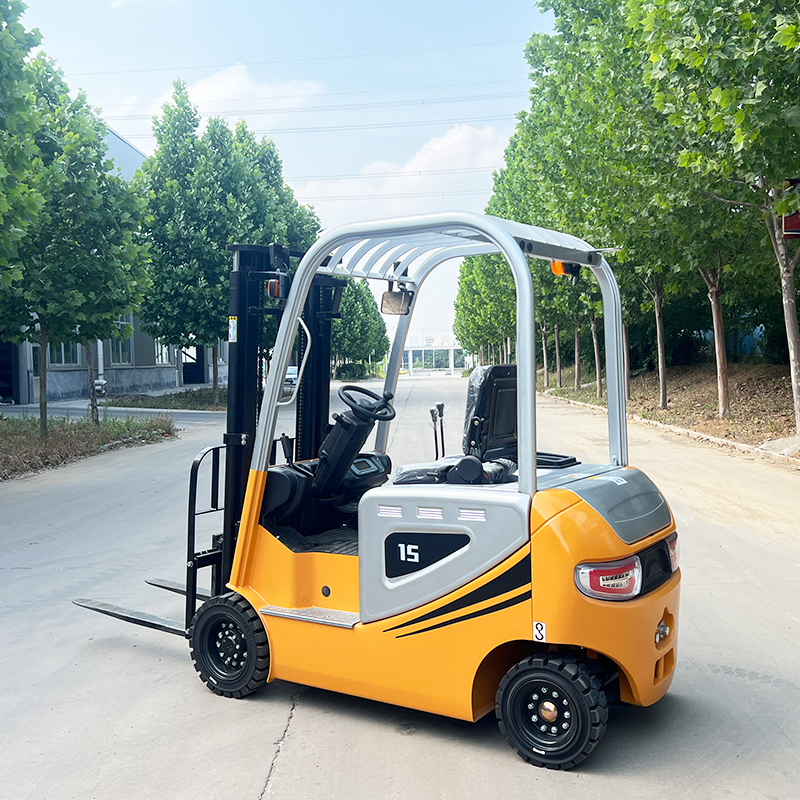
Replacing fossil-fuel equipment delivered fast financial relief by cutting daily running expenses and routine mechanical upkeep. Internal combustion engines carry hundreds of moving parts—like spark plugs, fuel lines, drive belts, air filters, and mechanical pumps—that require constant shop checkups and pricey replacement parts. By contrast, modern
Creating Quiet Warehouses and Boosting Operator Comfort
Working in a loud, dirty warehouse wears out drivers fast, lowering daily focus and driving up turnover rates across busy industrial plants. High-decibel engine noise mixed with factory machinery creates heavy noise stress that makes verbal safety checks difficult and increases collision risks. Bringing in smooth, low-noise
Accumulating Carbon Credits and Strengthening Sustainable Brand Equity
Beyond meeting internal sanitation rules and saving money, moving to zero-emission machinery strengthened the processor's market position and corporate eco credentials. Retail grocery chains, international importers, and eco-minded shoppers increasingly demand clear proof regarding the carbon footprint of their food supply chains. Using zero-emission
Driving Zero-Emission Progress with Infront Manufacturing Quality
Reaching full warehouse decarbonization means teaming up with an equipment manufacturer that blends heavy-duty structural engineering, modern battery technology, and dependable global support.
Table of Contents
- Tackling Exhaust Fumes and Oil Leaks in Food Processing Halls
- Meeting HACCP Hygiene Standards with Zero Tailpipe Emissions
- Keeping Cold Storage Running Fast with Lithium Opportunity Charging
- Cutting Fleet Maintenance Overhead and Fuel Expenses
- Creating Quiet Warehouses and Boosting Operator Comfort
- Accumulating Carbon Credits and Strengthening Sustainable Brand Equity
- Driving Zero-Emission Progress with Infront Manufacturing Quality